

Beef, round, knuckle, tip side, steak, separable lean and fat, trimmed to 0" fat, all grades, cooked, grilled
Whole food · Beef Products
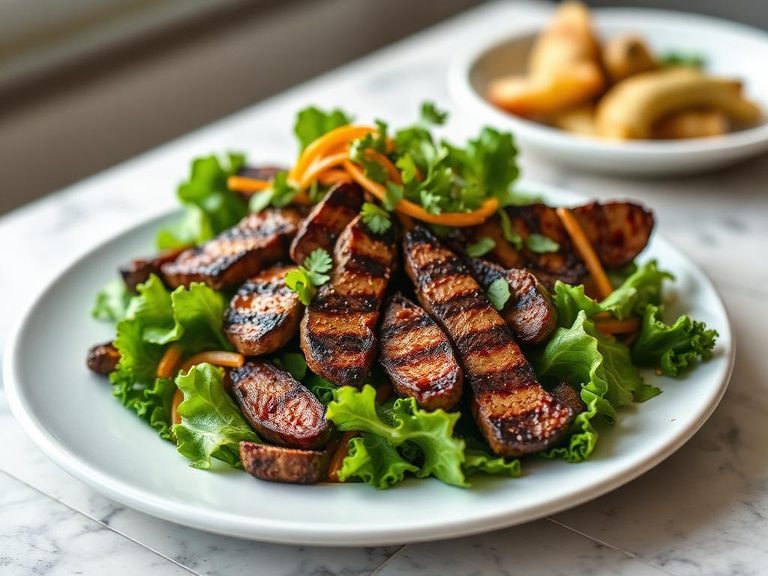
This lean cut from the beef round's knuckle is a muscular, working muscle, yielding a steak with a firm, dense texture and a clean, robust beefy flavor. When grilled, its minimal fat content creates a satisfyingly charred exterior while the interior remains juicy if not overcooked. Nutritionally, it's a powerhouse of high-quality protein with very low fat and zero carbohydrates, making it a staple for high-protein, low-calorie diets.
Calorie split: 73% protein · 0% carbs · 27% fat
↓ Full nutrition💚 Why it's loved
People love it for its pure, meaty beef flavor and remarkable versatility—it takes well to marinades and shines simply seasoned with salt and pepper. It's a go-to for health-conscious cooks and grill masters who appreciate a lean, protein-packed cut that delivers substance without excess fat.
⚠️ Watch-outs & how to enjoy it better
Its extreme leanness means it can become tough and dry if overcooked, which is a common pitfall. To counteract this, use a meat thermometer to pull it at medium-rare (135°F), let it rest thoroughly, or employ quick, high-heat cooking methods like grilling or broiling. Marinating in an acidic or enzymatic mixture (like with pineapple or yogurt) for 30 minutes can also help tenderize the fibers.
Key benefits
- Excellent source of complete, high-quality protein for muscle maintenance.
- Very low in fat and calories, supporting weight management goals.
- Zero carbohydrates, making it ideal for ketogenic and low-carb diets.
- Rich in essential minerals like zinc, selenium, and B vitamins (especially B12).
🍽️ Popular dishes
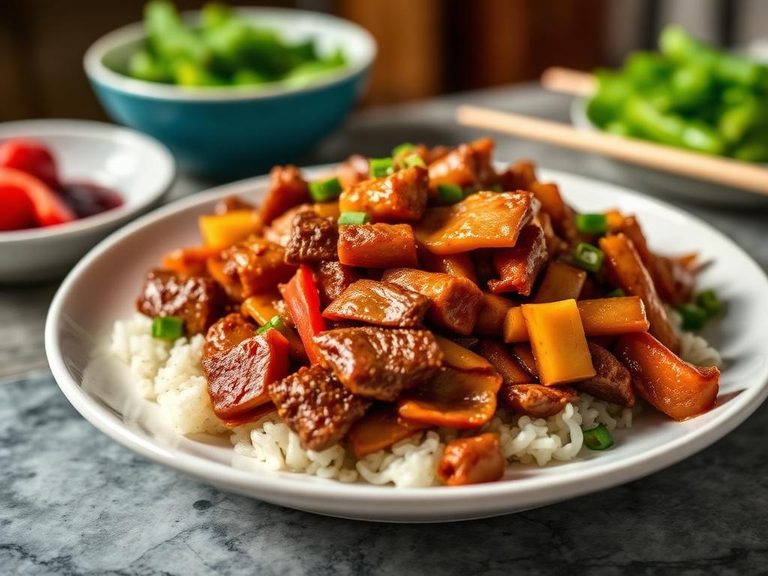
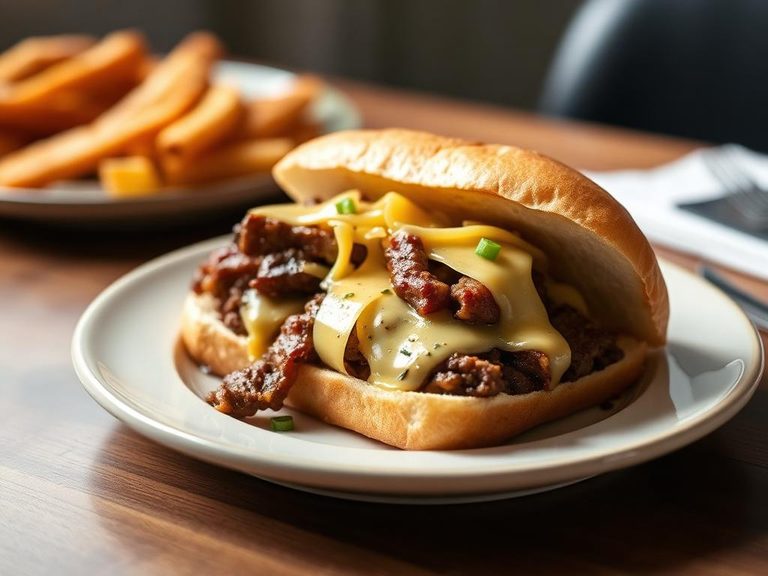
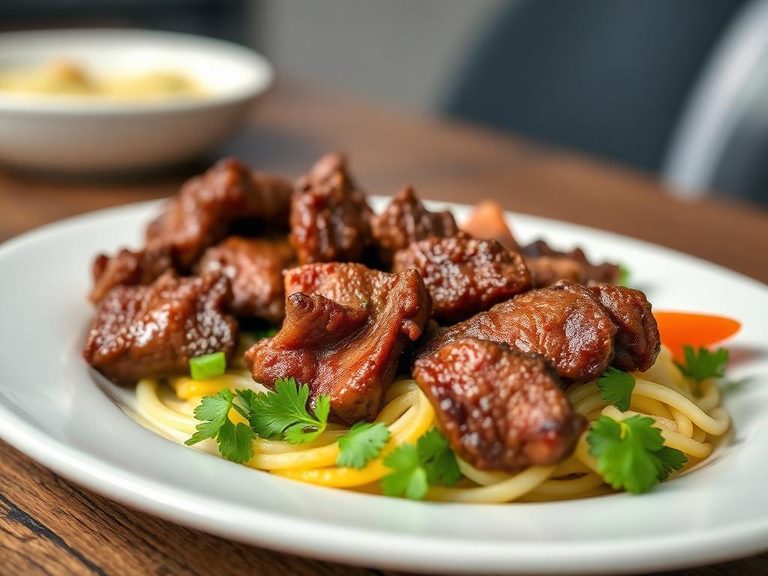
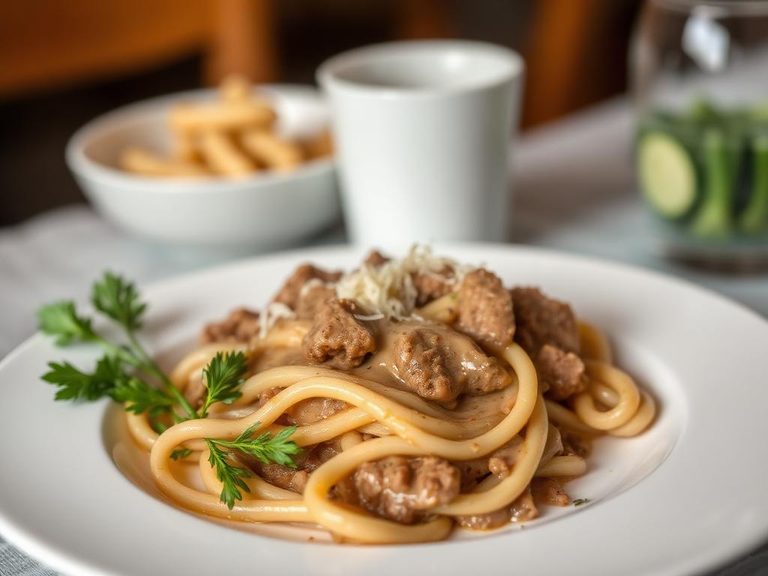
🌍 Where it's eaten
💡 Did you know?
The 'knuckle' or 'tip' is officially called the 'round tip' and comes from the large muscle group above the knee; it's so named because butchers would traditionally use it to 'tip' the scale in their favor when selling less popular round cuts.
Full nutrition (USDA data · scales with serving)
| Water | 65.7 g |
| Energy | 168 kcal |
| Energy | 702 kj |
| Protein | 29.1 g |
| Total lipid (fat) | 4.8 g |
| Ash | 1.2 g |
| Carbohydrate, by difference | 0.00 g |
| Fiber, total dietary | 0.00 g |
| Total Sugars | 0.00 g |
| Calcium, Ca | 5.0 mg |
| Iron, Fe | 2.8 mg |
| Magnesium, Mg | 26.0 mg |
| Phosphorus, P | 239 mg |
| Potassium, K | 365 mg |
| Sodium, Na | 54.0 mg |
| Zinc, Zn | 7.3 mg |
| Copper, Cu | 0.11 mg |
| Manganese, Mn | 0.01 mg |
| Selenium, Se | 42.1 ug |
| Vitamin C, total ascorbic acid | 0.00 mg |
| Thiamin | 0.07 mg |
| Riboflavin | 0.20 mg |
| Niacin | 5.9 mg |
| Pantothenic acid | 0.80 mg |
| Vitamin B-6 | 0.56 mg |
| Folate, total | 8.0 ug |
| Folic acid | 0.00 ug |
| Folate, food | 8.0 ug |
| Folate, DFE | 8.0 ug |
| Choline, total | 103 mg |
| Betaine | 12.0 mg |
| Vitamin B-12 | 4.2 ug |
| Vitamin B-12, added | 0.00 ug |
| Vitamin A, RAE | 0.00 ug |
| Retinol | 0.00 ug |
| Carotene, beta | 0.00 ug |
| Carotene, alpha | 0.00 ug |
| Cryptoxanthin, beta | 0.00 ug |
| Vitamin A, IU | 0.00 iu |
| Lycopene | 0.00 ug |
| Lutein + zeaxanthin | 0.00 ug |
| Vitamin E (alpha-tocopherol) | 0.20 mg |
| Vitamin E, added | 0.00 mg |
| Tocopherol, beta | 0.01 mg |
| Tocopherol, gamma | 0.02 mg |
| Tocopherol, delta | 0.01 mg |
| Tocotrienol, alpha | 0.00 mg |
| Tocotrienol, beta | 0.00 mg |
| Tocotrienol, gamma | 0.00 mg |
| Tocotrienol, delta | 0.00 mg |
| Vitamin K (phylloquinone) | 0.00 ug |
| Vitamin K (Dihydrophylloquinone) | 0.00 ug |
| Vitamin K (Menaquinone-4) | 1.8 ug |
| Alcohol, ethyl | 0.00 g |
| Caffeine | 0.00 mg |
| Theobromine | 0.00 mg |
Fat & fatty acid profile (per 100g)
| Fatty acids, total saturated | 1.9 g |
| SFA 4:0 | 0.00 g |
| SFA 6:0 | 0.00 g |
| SFA 8:0 | 0.00 g |
| SFA 10:0 | 0.00 g |
| SFA 12:0 | 0.00 g |
| SFA 14:0 | 0.13 g |
| SFA 15:0 | 0.02 g |
| SFA 16:0 | 1.2 g |
| SFA 17:0 | 0.05 g |
| SFA 18:0 | 0.53 g |
| SFA 20:0 | 0.00 g |
| SFA 22:0 | 0.02 g |
| Fatty acids, total monounsaturated | 2.2 g |
| MUFA 14:1 | 0.04 g |
| MUFA 15:1 | 0.00 g |
| MUFA 16:1 | 0.17 g |
| MUFA 17:1 | 0.00 g |
| MUFA 18:1 | 2.0 g |
| MUFA 18:1 c | 1.9 g |
| MUFA 20:1 | 0.01 g |
| Fatty acids, total polyunsaturated | 0.30 g |
| PUFA 18:2 | 0.25 g |
| PUFA 18:2 n-6 c,c | 0.21 g |
| PUFA 18:3 | 0.01 g |
| PUFA 18:3 n-3 c,c,c (ALA) | 0.01 g |
| PUFA 18:3 n-6 c,c,c | 0.00 g |
| PUFA 18:4 | 0.00 g |
| PUFA 20:2 n-6 c,c | 0.00 g |
| PUFA 20:3 | 0.00 g |
| PUFA 20:4 | 0.05 g |
| Fatty acids, total trans | 0.17 g |
| Fatty acids, total trans-monoenoic | 0.13 g |
| TFA 18:1 t | 0.13 g |
| TFA 18:2 t,t | 0.04 g |
| Fatty acids, total trans-polyenoic | 0.04 g |
| Cholesterol | 80.0 mg |
Amino acid profile (per 100g)
| Tryptophan | 0.19 g |
| Threonine | 1.2 g |
| Isoleucine | 1.3 g |
| Leucine | 2.3 g |
| Lysine | 2.5 g |
| Methionine | 0.76 g |
| Cystine | 0.38 g |
| Phenylalanine | 1.1 g |
| Tyrosine | 0.93 g |
| Valine | 1.4 g |
| Arginine | 1.9 g |
| Histidine | 0.93 g |
| Alanine | 1.8 g |
| Aspartic acid | 2.6 g |
| Glutamic acid | 4.4 g |
| Glycine | 1.8 g |
| Proline | 1.4 g |
| Serine | 1.1 g |
| Hydroxyproline | 0.31 g |
FAQ
What's the best way to tenderize this lean cut before grilling?
A short marinade (30-60 minutes) works wonders. Use an acidic base like citrus juice, vinegar, or yogurt, combined with oil and seasonings. This helps break down surface proteins without making the texture mushy.
Is this the same as 'sirloin tip' steak?
It's very closely related and often used interchangeably. Both come from the round primal cut. 'Knuckle' and 'tip' are common names for the same muscle group, so you'll see both terms at the butcher.
How do I prevent it from drying out when I cook it?
The key is avoiding overcooking. Use high heat for a short time (grilling, broiling, or pan-searing). Aim for an internal temperature of 130-135°F for medium-rare, and let the steak rest for 5-10 minutes after cooking so the juices redistribute.
Nutrient density (calculated · NRF9.3)
Nutrient Rich Foods index: beneficial nutrients (protein, fiber, vitamins, minerals) minus saturated fat, added sugar & sodium, per 100 kcal.
NRF9.3 index — Fulgoni, Keast & Drewnowski, 2009. Computed from USDA nutrients.
Weight-loss friendliness (composite index)
Energy density 1.68 kcal/g · 69% calories from protein · 0.0 g fiber · 0.0 g sugar per 100 g.
Composite of energy density (Rolls et al., 1999), protein & fiber satiety, minus sugar. A calculated heuristic — ranks satiety-per-calorie, not a clinical measure.
Dietary load (calculated from USDA values)
Potential renal acid load. Positive = acid-forming, negative = alkaline-forming.
Sodium-to-potassium ratio: 0.15 (lower is better — aim for ≤ 1)
Sodium:potassium per WHO potassium guidance. Computed from USDA nutrients.