

Beef, chuck, shoulder clod, top blade, steak, separable lean and fat, trimmed to 0" fat, select, cooked, grilled
Whole food · Beef Products

Photo: Wikipedia
This is a lean, flavorful cut from the beef shoulder, specifically the top blade muscle, which is often butterflied or pounded into a flat steak. When grilled, it develops a satisfying, slightly chewy texture with a robust, beefy flavor that's enhanced by its minimal fat content. Nutritionally, it's a powerhouse of high-quality protein with virtually no carbohydrates or sugar, making it a staple for low-carb and high-protein diets.
Calorie split: 49% protein · 0% carbs · 51% fat
↓ Full nutrition💚 Why it's loved
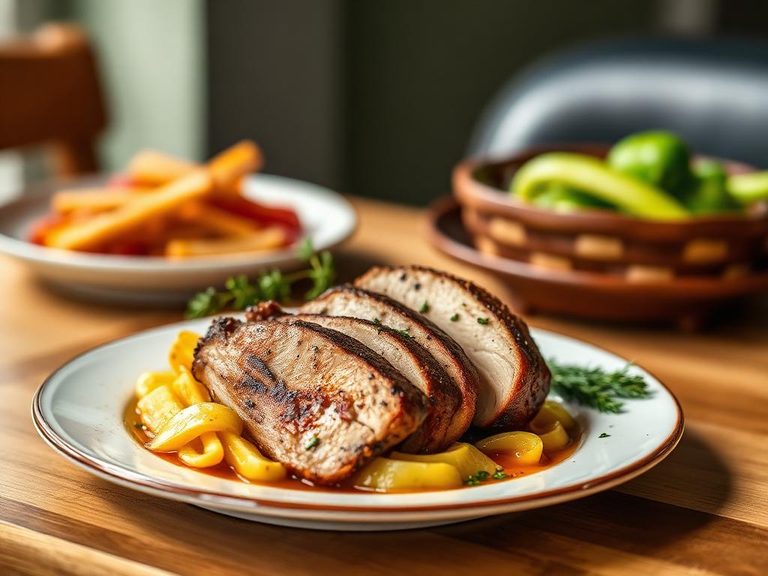
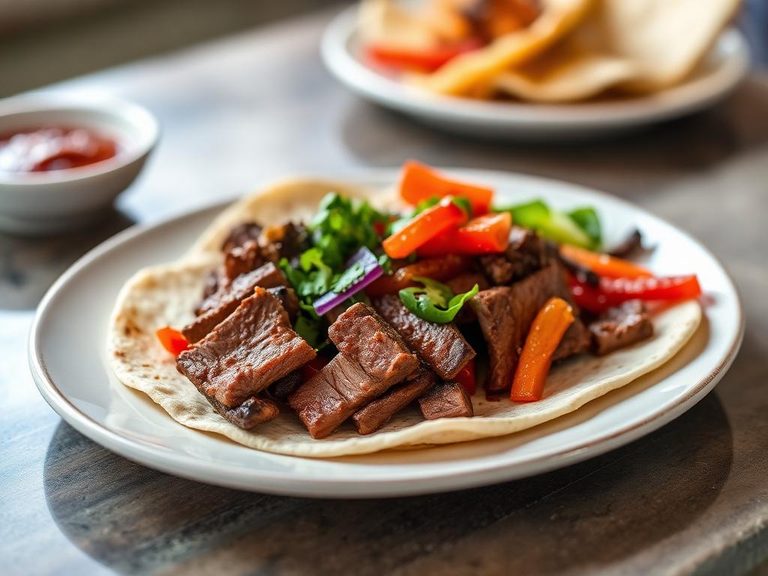
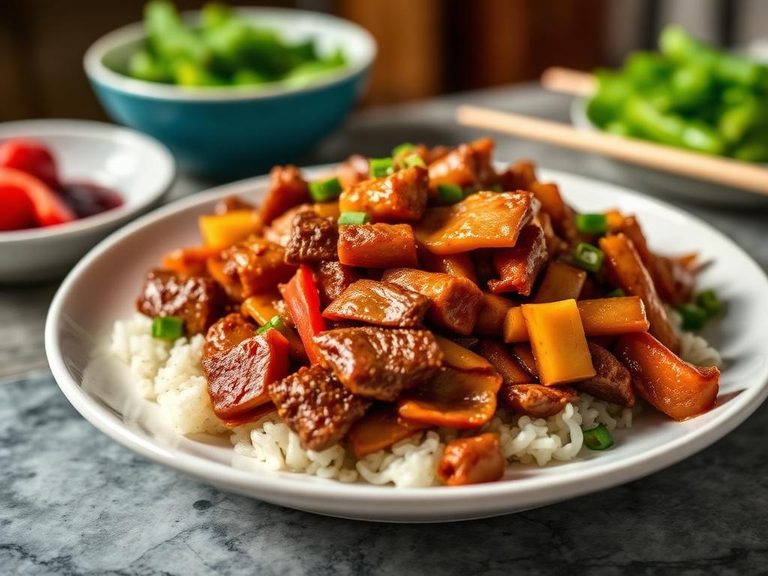
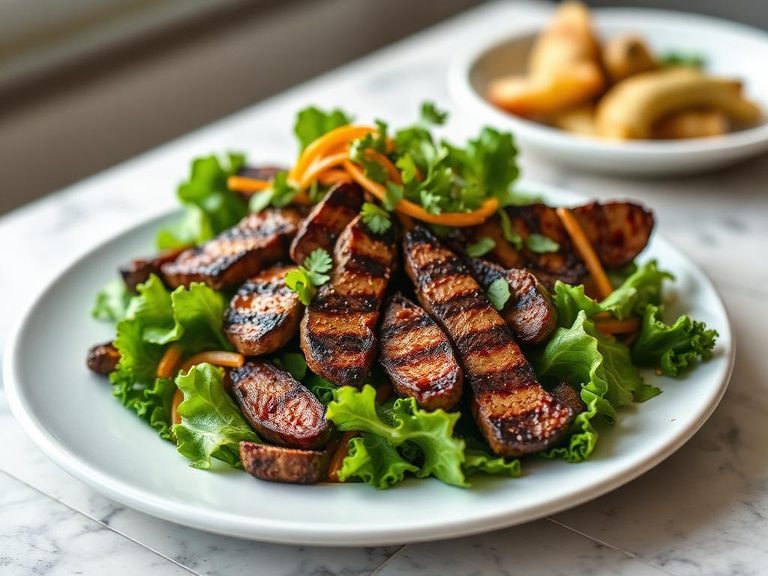
People love this cut for its intense, pure beef flavor and remarkable versatility. It's a favorite for quick grilling, stir-fries, and fajitas, offering a hearty, satisfying bite without heaviness.
⚠️ Watch-outs & how to enjoy it better
As an extremely lean cut, it can become tough and dry if overcooked, which is a common pitfall. To counteract this, use a marinade with acidic components like citrus or vinegar to tenderize, and cook it quickly over high heat to medium-rare or medium doneness.
Key benefits
- Excellent source of complete protein for muscle repair and satiety.
- Very low in carbohydrates and sugars, ideal for ketogenic diets.
- Provides essential minerals like zinc and iron.
- Trimmed to 0g fat, it's one of the leanest beef options available.
- Grilling is a healthy cooking method that doesn't add extra fats.
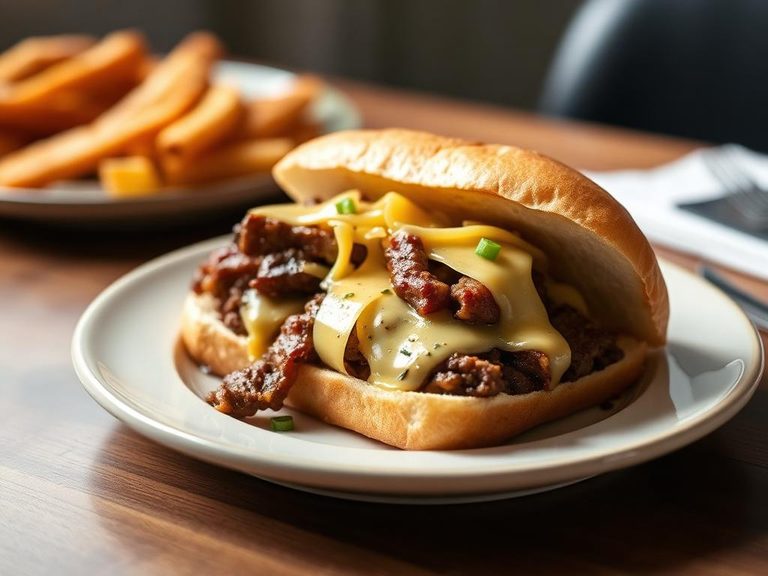
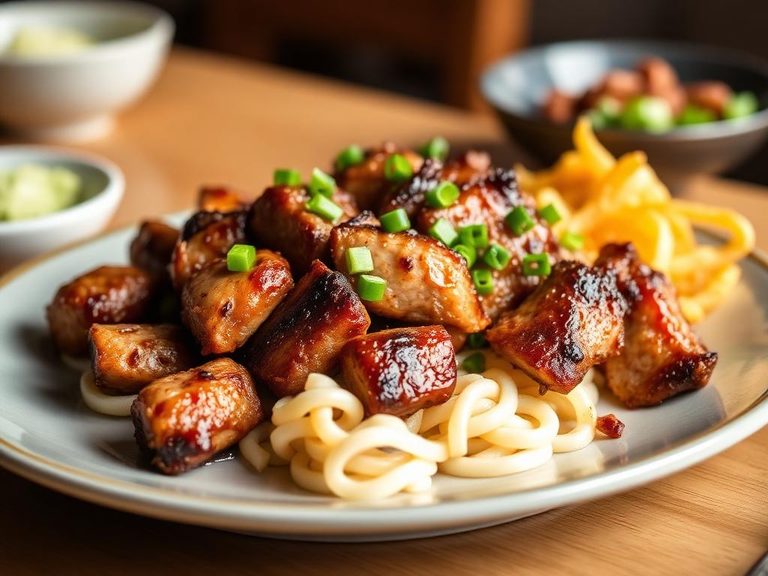
🍽️ Popular dishes
🌍 Where it's eaten
💡 Did you know?
The 'top blade' muscle contains a line of connective tissue running through its center; when sliced against the grain, this creates the characteristic marbling of a 'flat iron steak,' which is a more tender and prized cut from the same muscle.
Full nutrition (USDA data · scales with serving)
| Water | 62.2 g |
| Energy | 212 kcal |
| Energy | 887 kj |
| Protein | 25.3 g |
| Total lipid (fat) | 11.5 g |
| Ash | 0.93 g |
| Carbohydrate, by difference | 0.00 g |
| Fiber, total dietary | 0.00 g |
| Total Sugars | 0.00 g |
| Calcium, Ca | 6.0 mg |
| Iron, Fe | 3.1 mg |
| Magnesium, Mg | 24.0 mg |
| Phosphorus, P | 211 mg |
| Potassium, K | 333 mg |
| Sodium, Na | 76.0 mg |
| Zinc, Zn | 9.6 mg |
| Copper, Cu | 0.12 mg |
| Manganese, Mn | 0.02 mg |
| Selenium, Se | 39.3 ug |
| Vitamin C, total ascorbic acid | 0.00 mg |
| Thiamin | 0.08 mg |
| Riboflavin | 0.38 mg |
| Niacin | 4.1 mg |
| Pantothenic acid | 1.1 mg |
| Vitamin B-6 | 0.41 mg |
| Folate, total | 6.0 ug |
| Folic acid | 0.00 ug |
| Folate, food | 6.0 ug |
| Folate, DFE | 6.0 ug |
| Choline, total | 112 mg |
| Betaine | 12.4 mg |
| Vitamin B-12 | 6.2 ug |
| Vitamin B-12, added | 0.00 ug |
| Vitamin A, RAE | 0.00 ug |
| Retinol | 0.00 ug |
| Carotene, beta | 0.00 ug |
| Carotene, alpha | 0.00 ug |
| Cryptoxanthin, beta | 0.00 ug |
| Vitamin A, IU | 0.00 iu |
| Lycopene | 0.00 ug |
| Lutein + zeaxanthin | 0.00 ug |
| Vitamin E (alpha-tocopherol) | 0.14 mg |
| Vitamin E, added | 0.00 mg |
| Tocopherol, beta | 0.01 mg |
| Tocopherol, gamma | 0.02 mg |
| Tocopherol, delta | 0.01 mg |
| Tocotrienol, alpha | 0.01 mg |
| Tocotrienol, beta | 0.00 mg |
| Tocotrienol, gamma | 0.00 mg |
| Tocotrienol, delta | 0.00 mg |
| Vitamin K (phylloquinone) | 0.90 ug |
| Vitamin K (Dihydrophylloquinone) | 0.00 ug |
| Vitamin K (Menaquinone-4) | 3.1 ug |
| Alcohol, ethyl | 0.00 g |
| Caffeine | 0.00 mg |
| Theobromine | 0.00 mg |
Fat & fatty acid profile (per 100g)
| Fatty acids, total saturated | 4.4 g |
| SFA 4:0 | 0.00 g |
| SFA 6:0 | 0.00 g |
| SFA 8:0 | 0.00 g |
| SFA 10:0 | 0.00 g |
| SFA 12:0 | 0.01 g |
| SFA 14:0 | 0.33 g |
| SFA 15:0 | 0.05 g |
| SFA 16:0 | 2.5 g |
| SFA 17:0 | 0.13 g |
| SFA 18:0 | 1.4 g |
| SFA 20:0 | 0.00 g |
| SFA 22:0 | 0.00 g |
| Fatty acids, total monounsaturated | 4.6 g |
| MUFA 14:1 | 0.07 g |
| MUFA 15:1 | 0.00 g |
| MUFA 16:1 | 0.30 g |
| MUFA 17:1 | 0.00 g |
| MUFA 18:1 | 4.2 g |
| MUFA 18:1 c | 3.8 g |
| MUFA 20:1 | 0.01 g |
| Fatty acids, total polyunsaturated | 0.57 g |
| PUFA 18:2 | 0.49 g |
| PUFA 18:2 n-6 c,c | 0.40 g |
| PUFA 18:3 | 0.02 g |
| PUFA 18:3 n-3 c,c,c (ALA) | 0.02 g |
| PUFA 18:3 n-6 c,c,c | 0.00 g |
| PUFA 18:4 | 0.00 g |
| PUFA 20:2 n-6 c,c | 0.00 g |
| PUFA 20:3 | 0.00 g |
| PUFA 20:4 | 0.06 g |
| Fatty acids, total trans | 0.49 g |
| Fatty acids, total trans-monoenoic | 0.39 g |
| TFA 18:1 t | 0.39 g |
| TFA 18:2 t,t | 0.10 g |
| Fatty acids, total trans-polyenoic | 0.10 g |
| Cholesterol | 83.0 mg |
Amino acid profile (per 100g)
| Tryptophan | 0.17 g |
| Threonine | 1.0 g |
| Isoleucine | 1.2 g |
| Leucine | 2.0 g |
| Lysine | 2.1 g |
| Methionine | 0.66 g |
| Cystine | 0.33 g |
| Phenylalanine | 1.00 g |
| Tyrosine | 0.81 g |
| Valine | 1.3 g |
| Arginine | 1.6 g |
| Histidine | 0.81 g |
| Alanine | 1.5 g |
| Aspartic acid | 2.3 g |
| Glutamic acid | 3.8 g |
| Glycine | 1.5 g |
| Proline | 1.2 g |
| Serine | 1.00 g |
| Hydroxyproline | 0.27 g |
FAQ
What's the difference between top blade steak and flat iron steak?
They come from the same muscle. A top blade steak is cut with the connective tissue intact. A flat iron steak is made by butterflying the top blade and removing that central tissue line, resulting in a more tender cut.
How do I prevent this lean steak from getting tough?
The key is not to overcook it. Marinate it for at least 30 minutes, cook it quickly over high heat, and let it rest for 5-10 minutes after cooking before slicing it thinly against the grain.
Is this a good cut for slow cooking or braising?
No. Its leanness means it lacks the intramuscular fat and collagen that break down during long, slow cooking. It's best suited for quick, high-heat methods like grilling, broiling, or stir-frying.
Nutrient density (calculated · NRF9.3)
Nutrient Rich Foods index: beneficial nutrients (protein, fiber, vitamins, minerals) minus saturated fat, added sugar & sodium, per 100 kcal.
NRF9.3 index — Fulgoni, Keast & Drewnowski, 2009. Computed from USDA nutrients.
Weight-loss friendliness (composite index)
Energy density 2.12 kcal/g · 48% calories from protein · 0.0 g fiber · 0.0 g sugar per 100 g.
Composite of energy density (Rolls et al., 1999), protein & fiber satiety, minus sugar. A calculated heuristic — ranks satiety-per-calorie, not a clinical measure.
Dietary load (calculated from USDA values)
Potential renal acid load. Positive = acid-forming, negative = alkaline-forming.
Sodium-to-potassium ratio: 0.23 (lower is better — aim for ≤ 1)
Sodium:potassium per WHO potassium guidance. Computed from USDA nutrients.