

Beef, chuck, shoulder clod, shoulder top and center steaks, separable lean and fat, trimmed to 0" fat, select, raw
Whole food · Beef Products

Photo: Wikipedia
This cut, from the upper portion of the beef shoulder, is a lean yet flavorful muscle prized for its robust beefy taste and fine-grained texture. When trimmed to zero fat, it offers an exceptionally high protein-to-calorie ratio, making it a powerhouse for muscle building and satiety. Its natural tenderness, when cooked properly, makes it a versatile star for both quick-cooking steaks and slow-braised dishes.
Calorie split: 63% protein · 0% carbs · 37% fat
↓ Full nutrition💚 Why it's loved
People love this cut for its deep, authentic beef flavor that doesn't rely on fat for richness. Its versatility is a major draw—it can be grilled to a juicy medium-rare or slow-cooked until fork-tender, fitting seamlessly into everything from a classic steak dinner to a hearty stew.
⚠️ Watch-outs & how to enjoy it better
Because it's a working muscle, it can become tough and chewy if overcooked or not sliced against the grain. To counteract this, use a meat mallet for tenderizing, marinate in an acidic solution (like vinegar or citrus) to break down fibers, or employ slow, moist cooking methods like braising. For those monitoring iron intake, note that red meat is high in heme iron, which is highly absorbable.
Key benefits
- Excellent source of high-quality protein for muscle maintenance and repair.
- Very low in calories and fat, ideal for lean-protein focused diets.
- Rich in essential minerals like zinc, selenium, and B vitamins (B12, niacin).
- Contains conjugated linoleic acid (CLA), a naturally occurring fatty acid with potential health benefits.
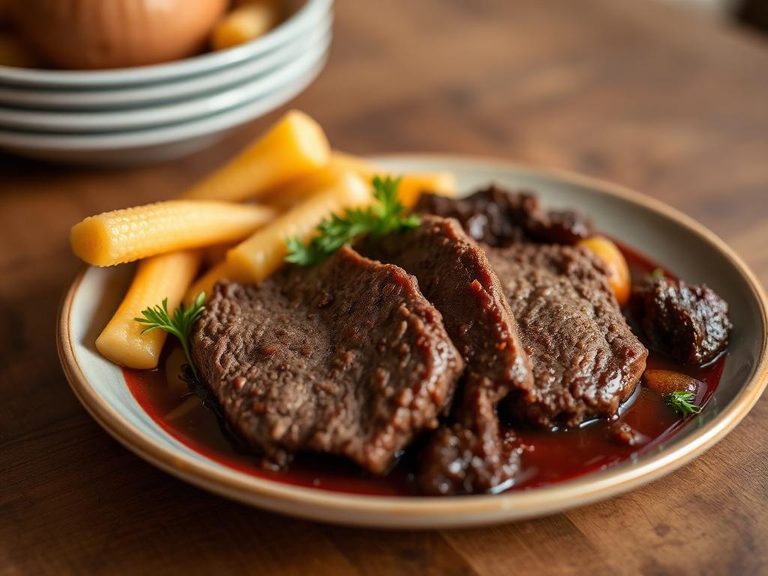
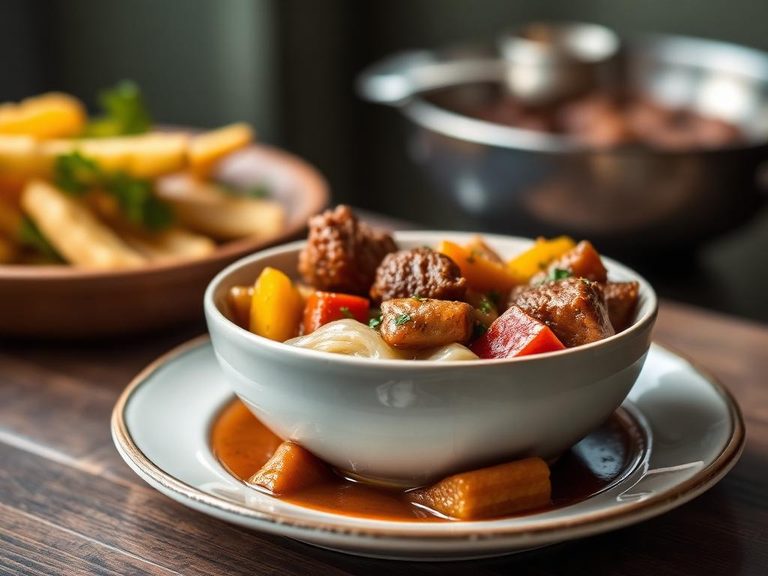
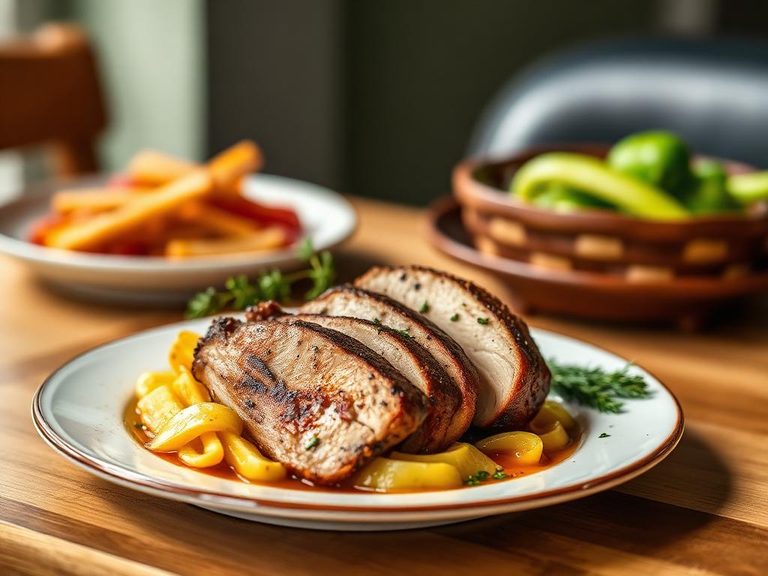
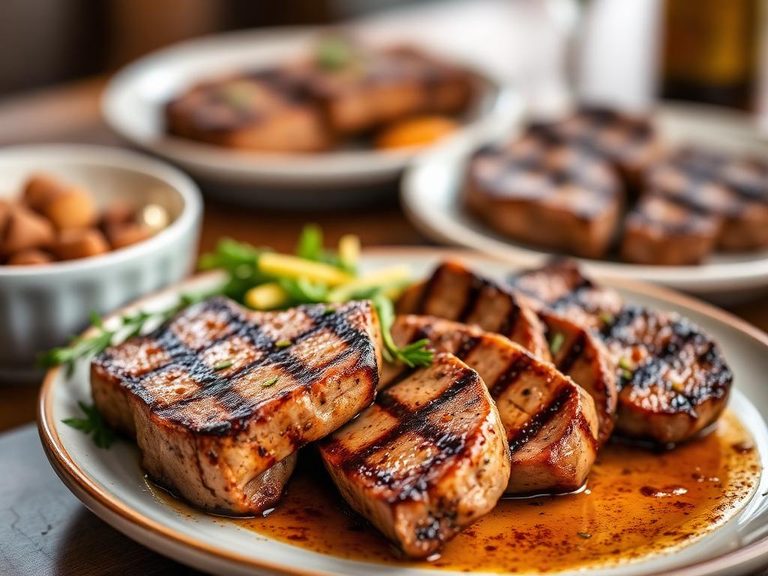
🍽️ Popular dishes
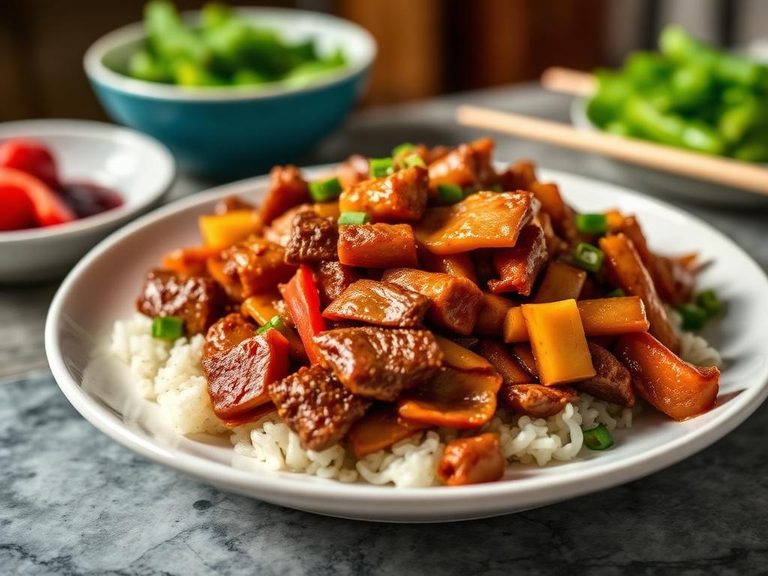
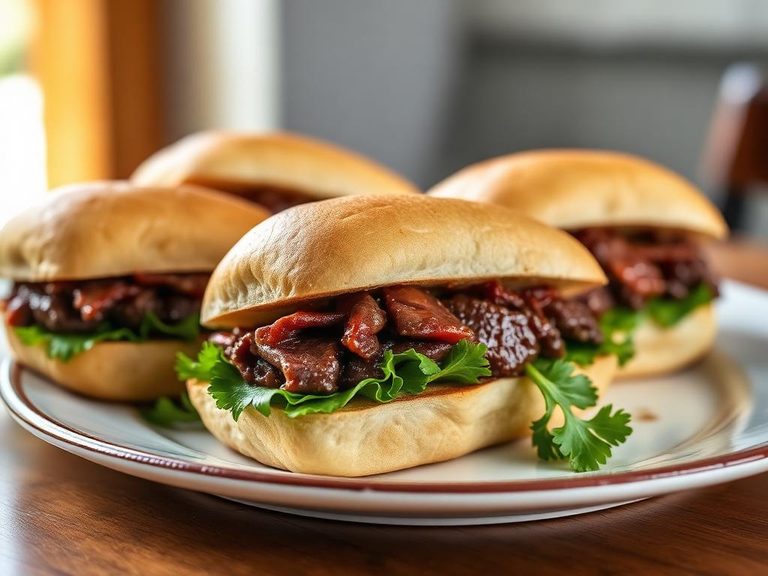
🌍 Where it's eaten
💡 Did you know?
The shoulder clod is a complex of several muscles, and the 'top and center steaks' are specifically the more tender, central portions that can be cut into individual steaks, a technique that elevates this humble cut to steakhouse quality.
Full nutrition (USDA data · scales with serving)
| Water | 72.5 g |
| Energy | 140 kcal |
| Energy | 585 kj |
| Protein | 21.1 g |
| Total lipid (fat) | 5.5 g |
| Ash | 0.88 g |
| Carbohydrate, by difference | 0.00 g |
| Fiber, total dietary | 0.00 g |
| Total Sugars | 0.00 g |
| Calcium, Ca | 4.0 mg |
| Iron, Fe | 2.6 mg |
| Magnesium, Mg | 25.0 mg |
| Phosphorus, P | 221 mg |
| Potassium, K | 370 mg |
| Sodium, Na | 58.0 mg |
| Zinc, Zn | 6.0 mg |
| Copper, Cu | 0.11 mg |
| Manganese, Mn | 0.02 mg |
| Selenium, Se | 32.0 ug |
| Vitamin C, total ascorbic acid | 0.00 mg |
| Thiamin | 0.09 mg |
| Riboflavin | 0.25 mg |
| Niacin | 5.3 mg |
| Pantothenic acid | 0.86 mg |
| Vitamin B-6 | 0.62 mg |
| Folate, total | 7.0 ug |
| Folic acid | 0.00 ug |
| Folate, food | 7.0 ug |
| Folate, DFE | 7.0 ug |
| Choline, total | 86.9 mg |
| Betaine | 11.8 mg |
| Vitamin B-12 | 4.7 ug |
| Vitamin B-12, added | 0.00 ug |
| Vitamin A, RAE | 0.00 ug |
| Retinol | 0.00 ug |
| Carotene, beta | 0.00 ug |
| Carotene, alpha | 0.00 ug |
| Cryptoxanthin, beta | 0.00 ug |
| Vitamin A, IU | 0.00 iu |
| Lycopene | 0.00 ug |
| Lutein + zeaxanthin | 0.00 ug |
| Vitamin E (alpha-tocopherol) | 0.18 mg |
| Vitamin E, added | 0.00 mg |
| Tocopherol, beta | 0.00 mg |
| Tocopherol, gamma | 0.02 mg |
| Tocopherol, delta | 0.01 mg |
| Tocotrienol, alpha | 0.00 mg |
| Tocotrienol, beta | 0.00 mg |
| Tocotrienol, gamma | 0.00 mg |
| Tocotrienol, delta | 0.00 mg |
| Vitamin K (phylloquinone) | 0.20 ug |
| Vitamin K (Dihydrophylloquinone) | 0.00 ug |
| Vitamin K (Menaquinone-4) | 1.5 ug |
| Alcohol, ethyl | 0.00 g |
| Caffeine | 0.00 mg |
| Theobromine | 0.00 mg |
Fat & fatty acid profile (per 100g)
| Fatty acids, total saturated | 1.8 g |
| SFA 4:0 | 0.00 g |
| SFA 6:0 | 0.00 g |
| SFA 8:0 | 0.00 g |
| SFA 10:0 | 0.00 g |
| SFA 12:0 | 0.00 g |
| SFA 14:0 | 0.13 g |
| SFA 15:0 | 0.02 g |
| SFA 16:0 | 1.0 g |
| SFA 17:0 | 0.05 g |
| SFA 18:0 | 0.57 g |
| SFA 20:0 | 0.00 g |
| SFA 22:0 | 0.00 g |
| Fatty acids, total monounsaturated | 1.9 g |
| MUFA 14:1 | 0.03 g |
| MUFA 15:1 | 0.00 g |
| MUFA 16:1 | 0.13 g |
| MUFA 17:1 | 0.00 g |
| MUFA 18:1 | 1.8 g |
| MUFA 18:1 c | 1.6 g |
| MUFA 20:1 | 0.01 g |
| Fatty acids, total polyunsaturated | 0.34 g |
| PUFA 18:2 | 0.28 g |
| PUFA 18:2 n-6 c,c | 0.24 g |
| PUFA 18:3 | 0.01 g |
| PUFA 18:3 n-3 c,c,c (ALA) | 0.01 g |
| PUFA 18:3 n-6 c,c,c | 0.00 g |
| PUFA 18:4 | 0.00 g |
| PUFA 20:2 n-6 c,c | 0.00 g |
| PUFA 20:3 | 0.00 g |
| PUFA 20:4 | 0.05 g |
| Fatty acids, total trans | 0.19 g |
| Fatty acids, total trans-monoenoic | 0.15 g |
| TFA 18:1 t | 0.15 g |
| TFA 18:2 t,t | 0.04 g |
| Fatty acids, total trans-polyenoic | 0.04 g |
| Cholesterol | 58.0 mg |
Amino acid profile (per 100g)
| Tryptophan | 0.14 g |
| Threonine | 0.84 g |
| Isoleucine | 0.96 g |
| Leucine | 1.7 g |
| Lysine | 1.8 g |
| Methionine | 0.55 g |
| Cystine | 0.27 g |
| Phenylalanine | 0.83 g |
| Tyrosine | 0.67 g |
| Valine | 1.0 g |
| Arginine | 1.4 g |
| Histidine | 0.67 g |
| Alanine | 1.3 g |
| Aspartic acid | 1.9 g |
| Glutamic acid | 3.2 g |
| Glycine | 1.3 g |
| Proline | 1.0 g |
| Serine | 0.83 g |
| Hydroxyproline | 0.12 g |
FAQ
What is the best way to cook this lean cut?
For steaks, cook quickly over high heat (grill or pan-sear) to medium-rare and slice thinly against the grain. For tougher pieces, braise slowly in liquid until tender.
Is this a good cut for a low-fat diet?
Yes, when trimmed to zero fat, it is one of the leanest beef options available, providing substantial protein with minimal fat and calories.
How do I prevent it from being tough?
Avoid overcooking, always slice against the grain, and consider marinating or using a meat tenderizer. For stews, cook low and slow until the connective tissue breaks down.
Nutrient density (calculated · NRF9.3)
Nutrient Rich Foods index: beneficial nutrients (protein, fiber, vitamins, minerals) minus saturated fat, added sugar & sodium, per 100 kcal.
NRF9.3 index — Fulgoni, Keast & Drewnowski, 2009. Computed from USDA nutrients.
Weight-loss friendliness (composite index)
Energy density 1.40 kcal/g · 60% calories from protein · 0.0 g fiber · 0.0 g sugar per 100 g.
Composite of energy density (Rolls et al., 1999), protein & fiber satiety, minus sugar. A calculated heuristic — ranks satiety-per-calorie, not a clinical measure.
Dietary load (calculated from USDA values)
Potential renal acid load. Positive = acid-forming, negative = alkaline-forming.
Sodium-to-potassium ratio: 0.16 (lower is better — aim for ≤ 1)
Sodium:potassium per WHO potassium guidance. Computed from USDA nutrients.