

Beef, chuck, shoulder clod, shoulder top and center steaks, separable lean and fat, trimmed to 0" fat, all grades, cooked, grilled
Whole food · Beef Products

Photo: Wikipedia
This is a lean, robust cut from the beef chuck, specifically the shoulder top and center steaks, trimmed of all external fat. When grilled, it develops a deep, beefy flavor with a firm, slightly chewy texture that rewards proper slicing against the grain. Nutritionally, it's a powerhouse of protein with minimal carbohydrates and a moderate fat content, making it a staple for high-protein diets.
Calorie split: 60% protein · 0% carbs · 39% fat
↓ Full nutrition💚 Why it's loved
People love this cut for its intense, savory beef flavor that stands up boldly to marinades and high-heat grilling. Its relative leanness and substantial texture make it a satisfying centerpiece for a protein-focused meal.
⚠️ Watch-outs & how to enjoy it better
Due to its location in the shoulder, it can be tougher than premium steaks if overcooked or not sliced correctly. To counteract this, always slice thinly against the grain after resting, or consider a marinade with acidic components (like vinegar or citrus) to help tenderize the muscle fibers before cooking.
Key benefits
- Excellent source of complete protein (26.3g per 100g)
- Very low in carbohydrates and sugars
- Provides essential minerals like zinc and iron
- Trimmed fat content offers a leaner red meat option
- Versatile for both quick grilling and slow cooking methods
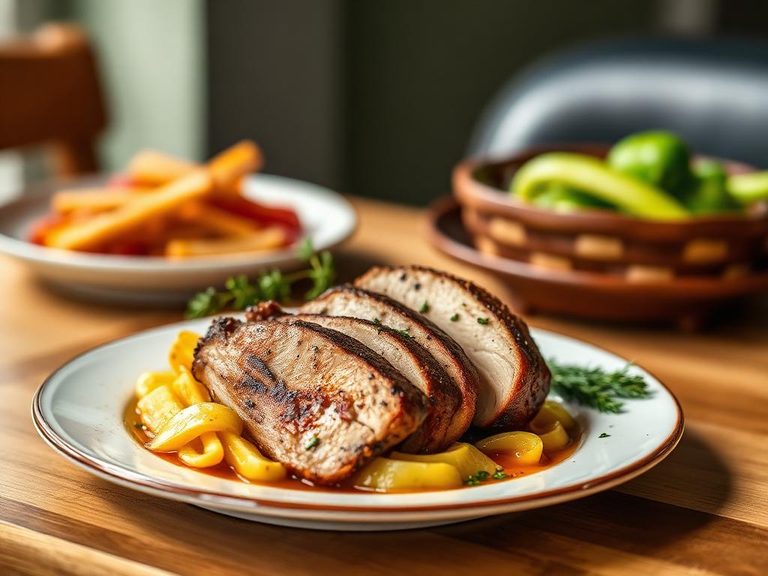
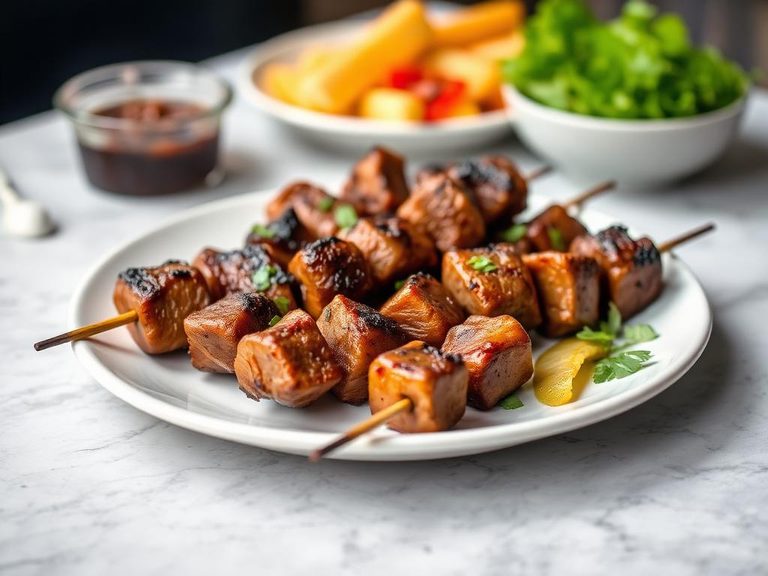
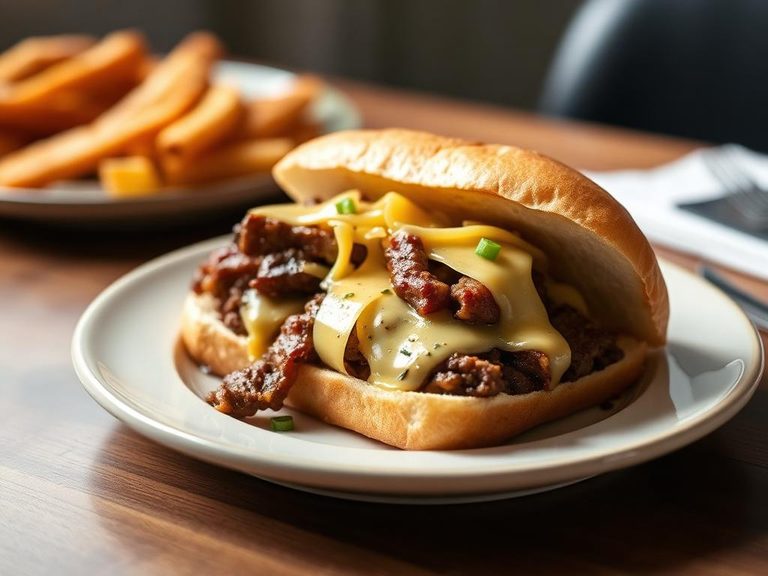
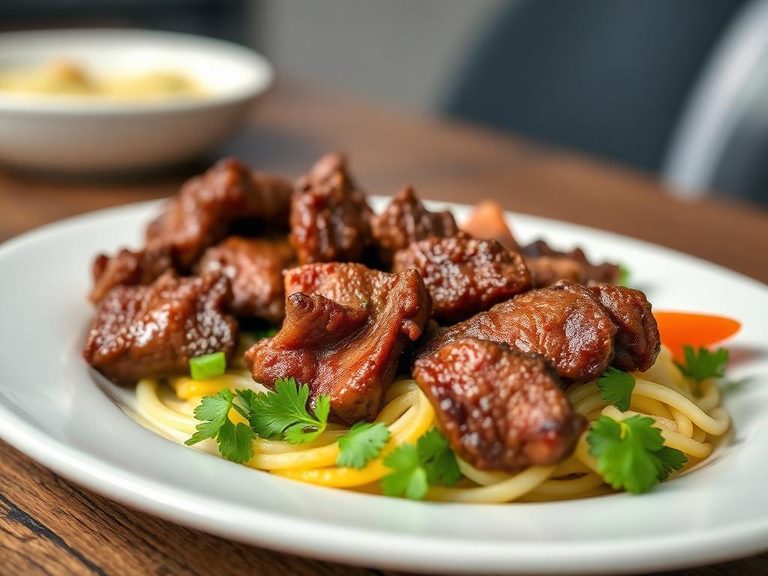
🍽️ Popular dishes
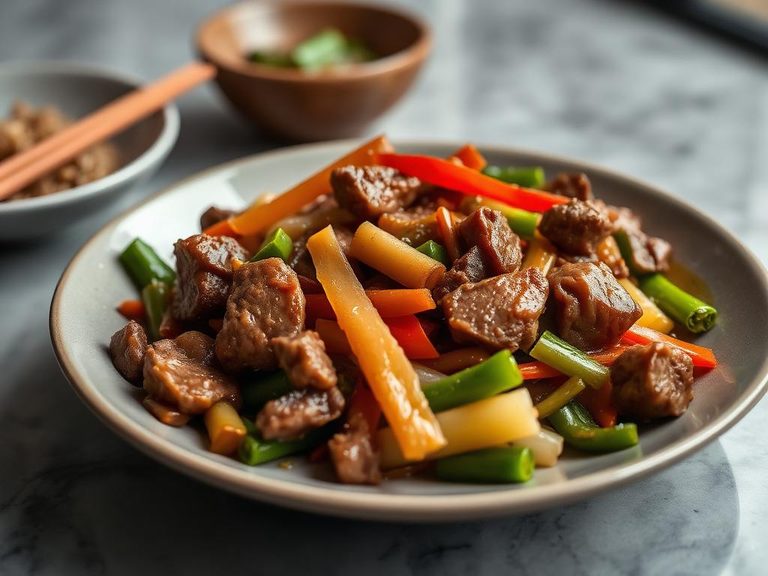
🌍 Where it's eaten
💡 Did you know?
The 'clod' in its name comes from an old English word meaning 'lump' or 'clot,' referring to the large, solid mass of muscle from the shoulder.
Full nutrition (USDA data · scales with serving)
| Water | 64.9 g |
| Energy | 182 kcal |
| Energy | 761 kj |
| Protein | 26.3 g |
| Total lipid (fat) | 7.7 g |
| Ash | 1.0 g |
| Carbohydrate, by difference | 0.12 g |
| Fiber, total dietary | 0.00 g |
| Total Sugars | 0.00 g |
| Calcium, Ca | 5.0 mg |
| Iron, Fe | 2.8 mg |
| Magnesium, Mg | 26.0 mg |
| Phosphorus, P | 232 mg |
| Potassium, K | 361 mg |
| Sodium, Na | 60.0 mg |
| Zinc, Zn | 7.1 mg |
| Copper, Cu | 0.09 mg |
| Manganese, Mn | 0.01 mg |
| Selenium, Se | 41.5 ug |
| Vitamin C, total ascorbic acid | 0.00 mg |
| Thiamin | 0.07 mg |
| Riboflavin | 0.29 mg |
| Niacin | 5.3 mg |
| Pantothenic acid | 0.84 mg |
| Vitamin B-6 | 0.58 mg |
| Folate, total | 11.0 ug |
| Folic acid | 0.00 ug |
| Folate, food | 11.0 ug |
| Folate, DFE | 11.0 ug |
| Choline, total | 99.0 mg |
| Betaine | 14.2 mg |
| Vitamin B-12 | 5.0 ug |
| Vitamin B-12, added | 0.00 ug |
| Vitamin A, RAE | 0.00 ug |
| Retinol | 0.00 ug |
| Carotene, beta | 0.00 ug |
| Carotene, alpha | 0.00 ug |
| Cryptoxanthin, beta | 0.00 ug |
| Vitamin A, IU | 0.00 iu |
| Lycopene | 0.00 ug |
| Lutein + zeaxanthin | 0.00 ug |
| Vitamin E (alpha-tocopherol) | 0.18 mg |
| Vitamin E, added | 0.00 mg |
| Tocopherol, beta | 0.00 mg |
| Tocopherol, gamma | 0.02 mg |
| Tocopherol, delta | 0.01 mg |
| Tocotrienol, alpha | 0.00 mg |
| Tocotrienol, beta | 0.00 mg |
| Tocotrienol, gamma | 0.00 mg |
| Tocotrienol, delta | 0.00 mg |
| Vitamin K (phylloquinone) | 0.40 ug |
| Vitamin K (Dihydrophylloquinone) | 0.00 ug |
| Vitamin K (Menaquinone-4) | 1.8 ug |
| Alcohol, ethyl | 0.00 g |
| Caffeine | 0.00 mg |
| Theobromine | 0.00 mg |
Fat & fatty acid profile (per 100g)
| Fatty acids, total saturated | 2.8 g |
| SFA 4:0 | 0.00 g |
| SFA 6:0 | 0.00 g |
| SFA 8:0 | 0.00 g |
| SFA 10:0 | 0.00 g |
| SFA 12:0 | 0.00 g |
| SFA 14:0 | 0.20 g |
| SFA 15:0 | 0.03 g |
| SFA 16:0 | 1.7 g |
| SFA 17:0 | 0.07 g |
| SFA 18:0 | 0.81 g |
| SFA 20:0 | 0.00 g |
| SFA 22:0 | 0.00 g |
| Fatty acids, total monounsaturated | 3.0 g |
| MUFA 14:1 | 0.05 g |
| MUFA 15:1 | 0.00 g |
| MUFA 16:1 | 0.23 g |
| MUFA 17:1 | 0.00 g |
| MUFA 18:1 | 2.8 g |
| MUFA 18:1 c | 2.5 g |
| MUFA 20:1 | 0.01 g |
| Fatty acids, total polyunsaturated | 0.40 g |
| PUFA 18:2 | 0.33 g |
| PUFA 18:2 n-6 c,c | 0.28 g |
| PUFA 18:3 | 0.01 g |
| PUFA 18:3 n-3 c,c,c (ALA) | 0.01 g |
| PUFA 18:3 n-6 c,c,c | 0.00 g |
| PUFA 18:4 | 0.00 g |
| PUFA 20:2 n-6 c,c | 0.00 g |
| PUFA 20:3 | 0.00 g |
| PUFA 20:4 | 0.05 g |
| Fatty acids, total trans | 0.28 g |
| Fatty acids, total trans-monoenoic | 0.22 g |
| TFA 18:1 t | 0.22 g |
| TFA 18:2 t,t | 0.06 g |
| Fatty acids, total trans-polyenoic | 0.06 g |
| Cholesterol | 76.0 mg |
Amino acid profile (per 100g)
| Tryptophan | 0.17 g |
| Threonine | 1.1 g |
| Isoleucine | 1.2 g |
| Leucine | 2.1 g |
| Lysine | 2.2 g |
| Methionine | 0.69 g |
| Cystine | 0.34 g |
| Phenylalanine | 1.0 g |
| Tyrosine | 0.84 g |
| Valine | 1.3 g |
| Arginine | 1.7 g |
| Histidine | 0.84 g |
| Alanine | 1.6 g |
| Aspartic acid | 2.4 g |
| Glutamic acid | 3.9 g |
| Glycine | 1.6 g |
| Proline | 1.3 g |
| Serine | 1.0 g |
| Hydroxyproline | 0.28 g |
FAQ
How is this different from a chuck roast?
They come from the same shoulder area, but this is a specific steak cut (top and center) meant for quicker, dry-heat cooking like grilling. A chuck roast is a larger, fattier piece designed for slow, moist cooking (braising) to break down connective tissue.
Why does my grilled steak come out tough?
The most common reasons are overcooking or slicing incorrectly. This cut is best cooked to medium-rare or medium (135-145°F internal temp). Always let it rest for 5-10 minutes after grilling, then slice thinly against the grain to shorten the muscle fibers and maximize tenderness.
What's a good marinade for this cut?
A marinade with an acidic base (like soy sauce, Worcestershire, or citrus juice) combined with oil and aromatics (garlic, herbs) works well. The acid helps tenderize, while the oil and seasonings add flavor and moisture. Marinate for at least 30 minutes, but not more than 4 hours to avoid a mushy texture.
Nutrient density (calculated · NRF9.3)
Nutrient Rich Foods index: beneficial nutrients (protein, fiber, vitamins, minerals) minus saturated fat, added sugar & sodium, per 100 kcal.
NRF9.3 index — Fulgoni, Keast & Drewnowski, 2009. Computed from USDA nutrients.
Weight-loss friendliness (composite index)
Energy density 1.82 kcal/g · 58% calories from protein · 0.0 g fiber · 0.0 g sugar per 100 g.
Composite of energy density (Rolls et al., 1999), protein & fiber satiety, minus sugar. A calculated heuristic — ranks satiety-per-calorie, not a clinical measure.
Dietary load (calculated from USDA values)
Potential renal acid load. Positive = acid-forming, negative = alkaline-forming.
Sodium-to-potassium ratio: 0.17 (lower is better — aim for ≤ 1)
Sodium:potassium per WHO potassium guidance. Computed from USDA nutrients.