

Beef, chuck, shoulder clod, shoulder tender, medallion, separable lean and fat, trimmed to 0" fat, select, raw
Whole food · Beef Products

Photo: Wikipedia
This is the tender, lean medallion cut from the shoulder clod of beef, prized for its fine grain and buttery texture when cooked quickly. With a rich, beefy flavor and virtually no fat marbling, it delivers a clean, meaty bite. Nutritionally, it's a powerhouse of high-quality protein with minimal fat and zero carbs.
Calorie split: 62% protein · 0% carbs · 38% fat
↓ Full nutrition💚 Why it's loved
People love it for its exceptional tenderness and mild, versatile flavor that absorbs marinades and seasonings beautifully. It's a go-to for quick, healthy weeknight meals that feel elegant without the fuss.
⚠️ Watch-outs & how to enjoy it better
Its extreme leanness means it can dry out or become tough if overcooked, requiring careful temperature control. Those on a very low-fat diet might still monitor portions, and it contains naturally occurring purines which some with gout may wish to limit. To counteract dryness, use quick, high-heat methods like searing or grilling, and consider a light marinade with acidic components like citrus or vinegar to help retain moisture.
Key benefits
- Excellent source of complete protein for muscle maintenance
- Very low in fat, especially saturated fat
- Zero carbohydrates, suitable for ketogenic diets
- Rich in iron and B vitamins like B12 and niacin
- Lean cut makes it easy to control calorie intake
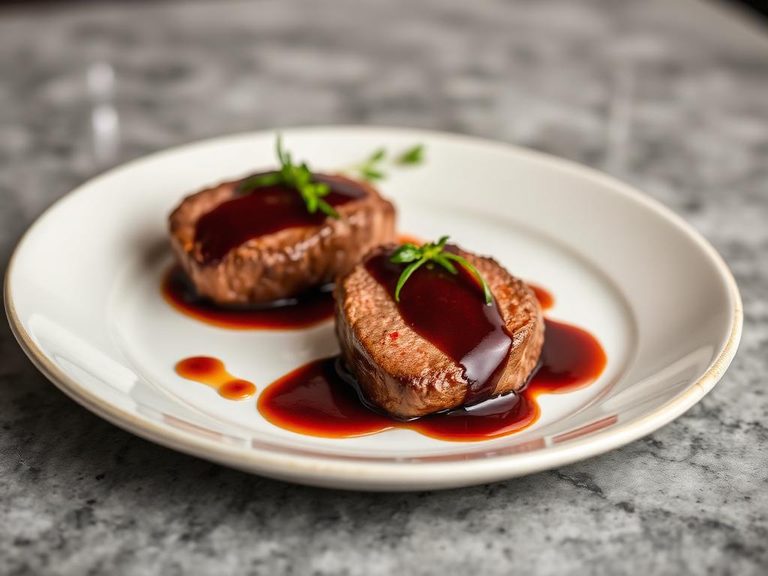
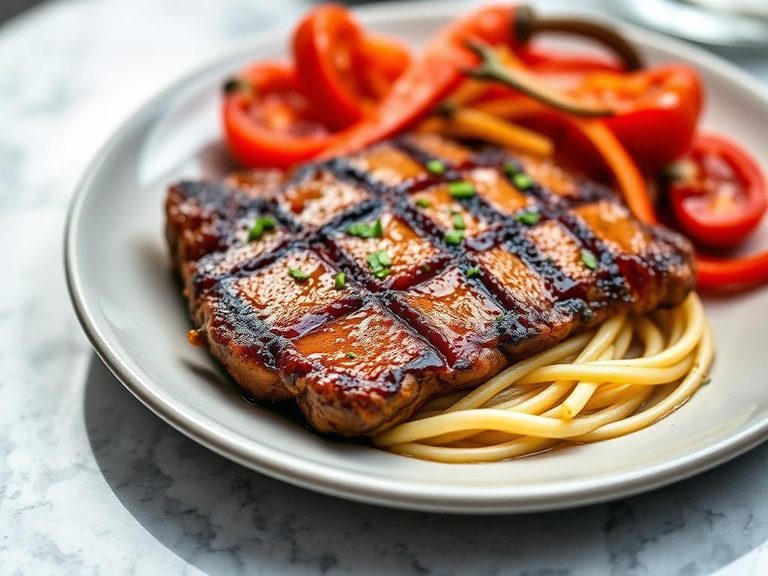
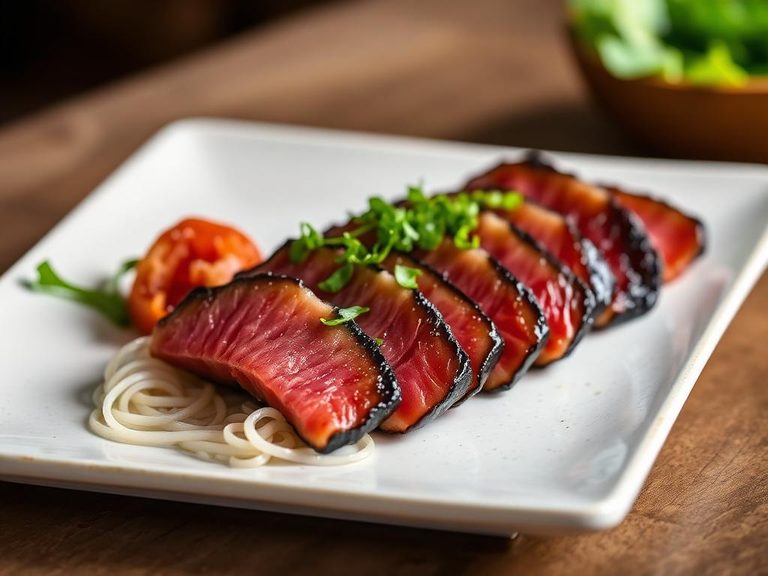
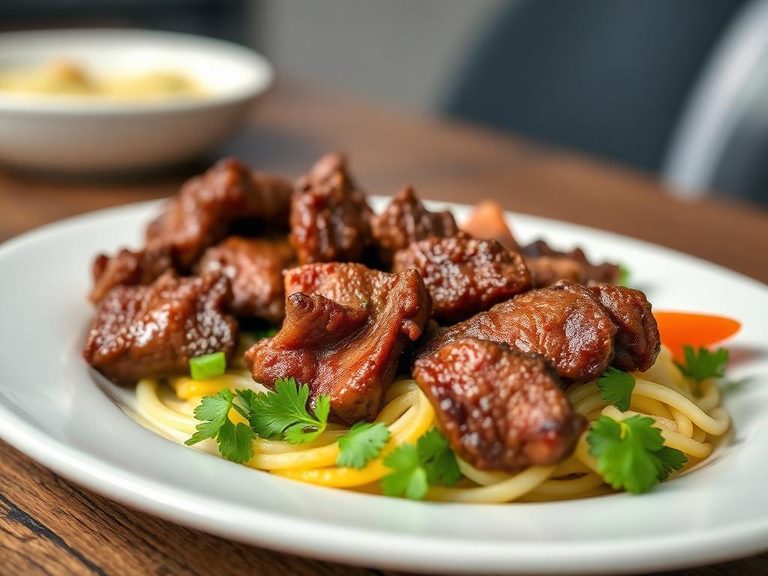
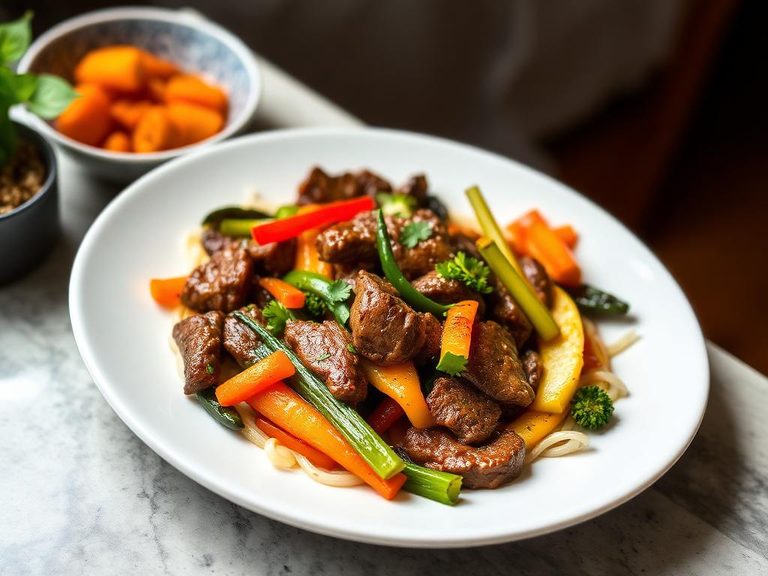
🍽️ Popular dishes
🌍 Where it's eaten
💡 Did you know?
The 'shoulder clod' is a large, complex muscle group, and the 'shoulder tender' (or teres major) is often called the 'poor man's tenderloin' for its similar tenderness at a fraction of the cost.
Full nutrition (USDA data · scales with serving)
| Water | 72.8 g |
| Energy | 142 kcal |
| Energy | 593 kj |
| Protein | 20.9 g |
| Total lipid (fat) | 5.8 g |
| Ash | 0.90 g |
| Carbohydrate, by difference | 0.00 g |
| Fiber, total dietary | 0.00 g |
| Total Sugars | 0.00 g |
| Calcium, Ca | 5.0 mg |
| Iron, Fe | 2.4 mg |
| Magnesium, Mg | 25.0 mg |
| Phosphorus, P | 219 mg |
| Potassium, K | 366 mg |
| Sodium, Na | 60.0 mg |
| Zinc, Zn | 4.4 mg |
| Copper, Cu | 0.13 mg |
| Manganese, Mn | 0.02 mg |
| Selenium, Se | 31.8 ug |
| Vitamin C, total ascorbic acid | 0.00 mg |
| Thiamin | 0.09 mg |
| Riboflavin | 0.27 mg |
| Niacin | 5.6 mg |
| Pantothenic acid | 0.92 mg |
| Vitamin B-6 | 0.52 mg |
| Folate, total | 7.0 ug |
| Folic acid | 0.00 ug |
| Folate, food | 7.0 ug |
| Folate, DFE | 7.0 ug |
| Choline, total | 85.2 mg |
| Betaine | 12.1 mg |
| Vitamin B-12 | 5.1 ug |
| Vitamin B-12, added | 0.00 ug |
| Vitamin A, RAE | 0.00 ug |
| Retinol | 0.00 ug |
| Carotene, beta | 0.00 ug |
| Carotene, alpha | 0.00 ug |
| Cryptoxanthin, beta | 0.00 ug |
| Vitamin A, IU | 0.00 iu |
| Lycopene | 0.00 ug |
| Lutein + zeaxanthin | 0.00 ug |
| Vitamin E (alpha-tocopherol) | 0.09 mg |
| Vitamin E, added | 0.00 mg |
| Tocopherol, beta | 0.01 mg |
| Tocopherol, gamma | 0.02 mg |
| Tocopherol, delta | 0.00 mg |
| Tocotrienol, alpha | 0.01 mg |
| Tocotrienol, beta | 0.00 mg |
| Tocotrienol, gamma | 0.00 mg |
| Tocotrienol, delta | 0.00 mg |
| Vitamin K (phylloquinone) | 0.20 ug |
| Vitamin K (Dihydrophylloquinone) | 0.00 ug |
| Vitamin K (Menaquinone-4) | 1.5 ug |
| Alcohol, ethyl | 0.00 g |
| Caffeine | 0.00 mg |
| Theobromine | 0.00 mg |
Fat & fatty acid profile (per 100g)
| Fatty acids, total saturated | 2.0 g |
| SFA 4:0 | 0.00 g |
| SFA 6:0 | 0.00 g |
| SFA 8:0 | 0.00 g |
| SFA 10:0 | 0.00 g |
| SFA 12:0 | 0.00 g |
| SFA 14:0 | 0.14 g |
| SFA 15:0 | 0.02 g |
| SFA 16:0 | 1.1 g |
| SFA 17:0 | 0.06 g |
| SFA 18:0 | 0.64 g |
| SFA 20:0 | 0.00 g |
| SFA 22:0 | 0.02 g |
| Fatty acids, total monounsaturated | 2.0 g |
| MUFA 14:1 | 0.03 g |
| MUFA 15:1 | 0.00 g |
| MUFA 16:1 | 0.13 g |
| MUFA 17:1 | 0.00 g |
| MUFA 18:1 | 1.8 g |
| MUFA 18:1 c | 1.6 g |
| MUFA 20:1 | 0.00 g |
| Fatty acids, total polyunsaturated | 0.34 g |
| PUFA 18:2 | 0.28 g |
| PUFA 18:2 n-6 c,c | 0.24 g |
| PUFA 18:3 | 0.01 g |
| PUFA 18:3 n-3 c,c,c (ALA) | 0.01 g |
| PUFA 18:3 n-6 c,c,c | 0.00 g |
| PUFA 18:4 | 0.00 g |
| PUFA 20:2 n-6 c,c | 0.00 g |
| PUFA 20:3 | 0.00 g |
| PUFA 20:4 | 0.05 g |
| Fatty acids, total trans | 0.21 g |
| Fatty acids, total trans-monoenoic | 0.17 g |
| TFA 18:1 t | 0.17 g |
| TFA 18:2 t,t | 0.04 g |
| Fatty acids, total trans-polyenoic | 0.04 g |
| Cholesterol | 58.0 mg |
Amino acid profile (per 100g)
| Tryptophan | 0.14 g |
| Threonine | 0.84 g |
| Isoleucine | 0.95 g |
| Leucine | 1.7 g |
| Lysine | 1.8 g |
| Methionine | 0.55 g |
| Cystine | 0.27 g |
| Phenylalanine | 0.83 g |
| Tyrosine | 0.67 g |
| Valine | 1.0 g |
| Arginine | 1.4 g |
| Histidine | 0.67 g |
| Alanine | 1.3 g |
| Aspartic acid | 1.9 g |
| Glutamic acid | 3.1 g |
| Glycine | 1.3 g |
| Proline | 1.00 g |
| Serine | 0.82 g |
| Hydroxyproline | 0.07 g |
FAQ
What's the best way to cook beef shoulder tender medallions?
Quick, high-heat cooking is key. Sear them in a very hot skillet for 2-3 minutes per side for medium-rare, or grill them briefly. Let them rest for 5 minutes before slicing against the grain to ensure maximum tenderness.
Is this a good cut for stews or slow cooking?
No. This is a lean, tender cut designed for fast cooking. Using it in a slow-cooked stew would make it dry and stringy. For stews, choose fattier, more collagen-rich cuts like chuck roast.
How does it differ from beef tenderloin (filet mignon)?
They are very similar in tenderness and leanness. The shoulder tender is slightly more flavorful and robust, while tenderloin is milder and even more buttery. The shoulder tender is often a more affordable alternative.
Nutrient density (calculated · NRF9.3)
Nutrient Rich Foods index: beneficial nutrients (protein, fiber, vitamins, minerals) minus saturated fat, added sugar & sodium, per 100 kcal.
NRF9.3 index — Fulgoni, Keast & Drewnowski, 2009. Computed from USDA nutrients.
Weight-loss friendliness (composite index)
Energy density 1.42 kcal/g · 59% calories from protein · 0.0 g fiber · 0.0 g sugar per 100 g.
Composite of energy density (Rolls et al., 1999), protein & fiber satiety, minus sugar. A calculated heuristic — ranks satiety-per-calorie, not a clinical measure.
Dietary load (calculated from USDA values)
Potential renal acid load. Positive = acid-forming, negative = alkaline-forming.
Sodium-to-potassium ratio: 0.16 (lower is better — aim for ≤ 1)
Sodium:potassium per WHO potassium guidance. Computed from USDA nutrients.