

Beef, chuck, shoulder clod, shoulder tender, medallion, separable lean and fat, trimmed to 0" fat, choice, raw
Whole food · Beef Products

Photo: Wikipedia
This is a lean, tender cut from the beef shoulder, prized for its fine grain and mild, beefy flavor. When trimmed to zero fat, it becomes exceptionally lean, making it a protein-packed choice for health-conscious cooks. Its versatility allows it to be seared, grilled, or braised, delivering a satisfying, melt-in-the-mouth texture.
Calorie split: 59% protein · 0% carbs · 41% fat
↓ Full nutrition💚 Why it's loved
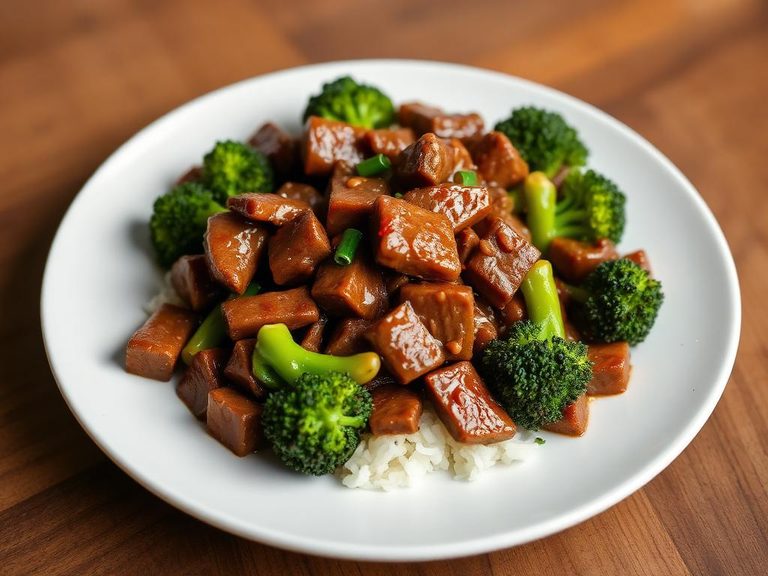
People love it for its remarkable tenderness and clean, pure beef flavor that shines with simple seasoning. It's a favorite for quick weeknight meals like stir-fries or medallions because it cooks fast and stays juicy.
⚠️ Watch-outs & how to enjoy it better
Being so lean, it can dry out quickly if overcooked, leading to a tough, chewy texture. To counteract this, use quick, high-heat methods like searing or stir-frying, or marinate it briefly to add moisture and flavor before cooking.
Key benefits
- High-quality complete protein for muscle maintenance
- Very low in fat, especially saturated fat
- Rich in iron and B vitamins (B12, niacin)
- Zero carbohydrates, suitable for keto and low-carb diets
- Leaner than many other beef cuts, supporting heart health
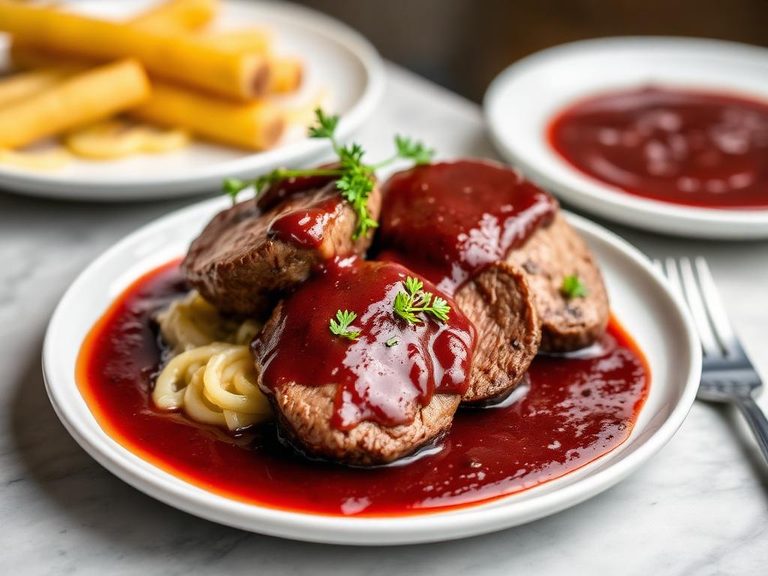
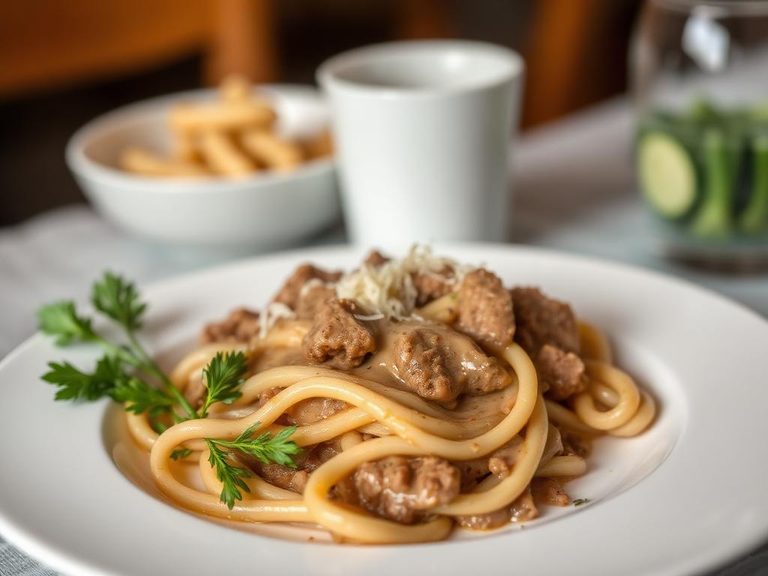
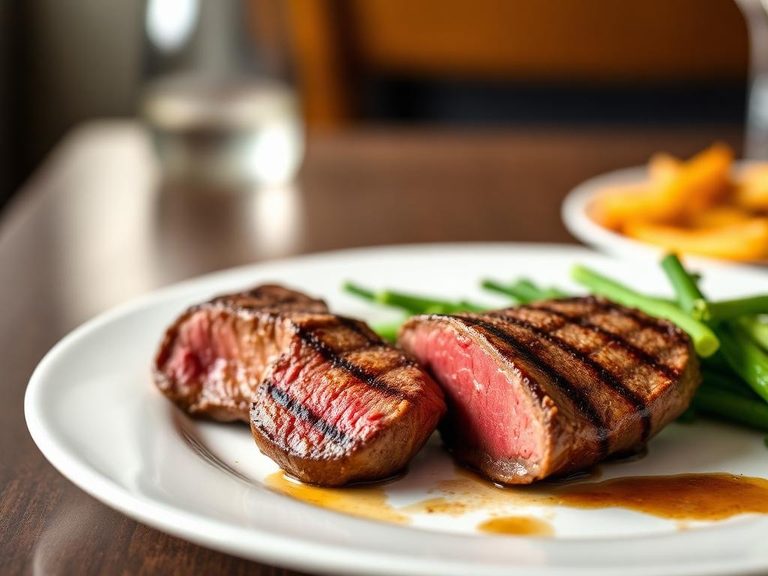
🍽️ Popular dishes
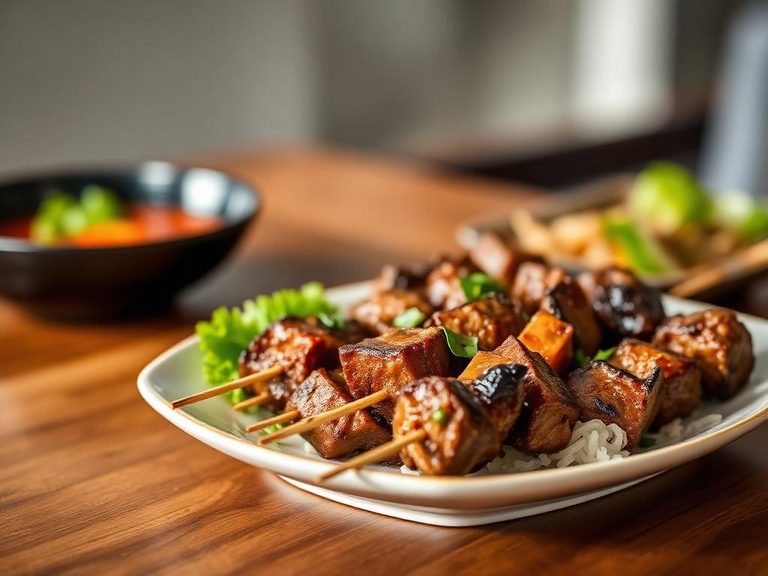
🌍 Where it's eaten
💡 Did you know?
The 'shoulder tender' is sometimes called the 'mock tender' because it's a small, tender muscle hidden within the tougher chuck, making it a hidden gem for butchers who know how to extract it.
Full nutrition (USDA data · scales with serving)
| Water | 72.9 g |
| Energy | 145 kcal |
| Energy | 606 kj |
| Protein | 20.5 g |
| Total lipid (fat) | 6.4 g |
| Ash | 0.91 g |
| Carbohydrate, by difference | 0.00 g |
| Fiber, total dietary | 0.00 g |
| Total Sugars | 0.00 g |
| Calcium, Ca | 5.0 mg |
| Iron, Fe | 2.0 mg |
| Magnesium, Mg | 23.0 mg |
| Phosphorus, P | 200 mg |
| Potassium, K | 339 mg |
| Sodium, Na | 59.0 mg |
| Zinc, Zn | 4.0 mg |
| Copper, Cu | 0.13 mg |
| Manganese, Mn | 0.01 mg |
| Selenium, Se | 30.8 ug |
| Vitamin C, total ascorbic acid | 0.00 mg |
| Thiamin | 0.09 mg |
| Riboflavin | 0.23 mg |
| Niacin | 4.6 mg |
| Pantothenic acid | 0.78 mg |
| Vitamin B-6 | 0.52 mg |
| Folate, total | 7.0 ug |
| Folic acid | 0.00 ug |
| Folate, food | 7.0 ug |
| Folate, DFE | 7.0 ug |
| Choline, total | 75.1 mg |
| Betaine | 12.2 mg |
| Vitamin B-12 | 4.0 ug |
| Vitamin B-12, added | 0.00 ug |
| Vitamin A, RAE | 0.00 ug |
| Retinol | 0.00 ug |
| Carotene, beta | 0.00 ug |
| Carotene, alpha | 0.00 ug |
| Cryptoxanthin, beta | 0.00 ug |
| Vitamin A, IU | 0.00 iu |
| Lycopene | 0.00 ug |
| Lutein + zeaxanthin | 0.00 ug |
| Vitamin E (alpha-tocopherol) | 0.09 mg |
| Vitamin E, added | 0.00 mg |
| Tocopherol, beta | 0.01 mg |
| Tocopherol, gamma | 0.02 mg |
| Tocopherol, delta | 0.00 mg |
| Tocotrienol, alpha | 0.01 mg |
| Tocotrienol, beta | 0.00 mg |
| Tocotrienol, gamma | 0.00 mg |
| Tocotrienol, delta | 0.00 mg |
| Vitamin K (phylloquinone) | 0.20 ug |
| Vitamin K (Dihydrophylloquinone) | 0.00 ug |
| Vitamin K (Menaquinone-4) | 1.5 ug |
| Alcohol, ethyl | 0.00 g |
| Caffeine | 0.00 mg |
| Theobromine | 0.00 mg |
Fat & fatty acid profile (per 100g)
| Fatty acids, total saturated | 2.3 g |
| SFA 4:0 | 0.00 g |
| SFA 6:0 | 0.00 g |
| SFA 8:0 | 0.00 g |
| SFA 10:0 | 0.00 g |
| SFA 12:0 | 0.00 g |
| SFA 14:0 | 0.16 g |
| SFA 15:0 | 0.03 g |
| SFA 16:0 | 1.4 g |
| SFA 17:0 | 0.06 g |
| SFA 18:0 | 0.68 g |
| SFA 20:0 | 0.00 g |
| SFA 22:0 | 0.02 g |
| Fatty acids, total monounsaturated | 2.4 g |
| MUFA 14:1 | 0.04 g |
| MUFA 15:1 | 0.00 g |
| MUFA 16:1 | 0.17 g |
| MUFA 17:1 | 0.00 g |
| MUFA 18:1 | 2.2 g |
| MUFA 18:1 c | 2.0 g |
| MUFA 20:1 | 0.01 g |
| Fatty acids, total polyunsaturated | 0.33 g |
| PUFA 18:2 | 0.27 g |
| PUFA 18:2 n-6 c,c | 0.22 g |
| PUFA 18:3 | 0.01 g |
| PUFA 18:3 n-3 c,c,c (ALA) | 0.01 g |
| PUFA 18:3 n-6 c,c,c | 0.00 g |
| PUFA 18:4 | 0.00 g |
| PUFA 20:2 n-6 c,c | 0.00 g |
| PUFA 20:3 | 0.00 g |
| PUFA 20:4 | 0.05 g |
| Fatty acids, total trans | 0.22 g |
| Fatty acids, total trans-monoenoic | 0.17 g |
| TFA 18:1 t | 0.17 g |
| TFA 18:2 t,t | 0.04 g |
| Fatty acids, total trans-polyenoic | 0.04 g |
| Cholesterol | 56.0 mg |
Amino acid profile (per 100g)
| Tryptophan | 0.14 g |
| Threonine | 0.82 g |
| Isoleucine | 0.93 g |
| Leucine | 1.6 g |
| Lysine | 1.7 g |
| Methionine | 0.53 g |
| Cystine | 0.27 g |
| Phenylalanine | 0.81 g |
| Tyrosine | 0.65 g |
| Valine | 1.0 g |
| Arginine | 1.3 g |
| Histidine | 0.66 g |
| Alanine | 1.2 g |
| Aspartic acid | 1.9 g |
| Glutamic acid | 3.1 g |
| Glycine | 1.2 g |
| Proline | 0.98 g |
| Serine | 0.81 g |
| Hydroxyproline | 0.09 g |
FAQ
Is this cut the same as beef tenderloin?
No, it's from the shoulder (chuck), not the loin. It's called 'shoulder tender' because it's a tender muscle within the chuck, but it's not the same as the premium tenderloin.
What's the best way to cook it without drying it out?
Quick, high-heat methods like searing, grilling, or stir-frying work best. Avoid overcooking; aim for medium-rare to medium doneness. Marinating briefly can also help retain moisture.
Can I use this for slow cooking or braising?
While possible, it's not ideal because it's so lean. Slow cooking may make it dry. It's better suited for quick cooking methods to preserve its tenderness.
Nutrient density (calculated · NRF9.3)
Nutrient Rich Foods index: beneficial nutrients (protein, fiber, vitamins, minerals) minus saturated fat, added sugar & sodium, per 100 kcal.
NRF9.3 index — Fulgoni, Keast & Drewnowski, 2009. Computed from USDA nutrients.
Weight-loss friendliness (composite index)
Energy density 1.45 kcal/g · 57% calories from protein · 0.0 g fiber · 0.0 g sugar per 100 g.
Composite of energy density (Rolls et al., 1999), protein & fiber satiety, minus sugar. A calculated heuristic — ranks satiety-per-calorie, not a clinical measure.
Dietary load (calculated from USDA values)
Potential renal acid load. Positive = acid-forming, negative = alkaline-forming.
Sodium-to-potassium ratio: 0.17 (lower is better — aim for ≤ 1)
Sodium:potassium per WHO potassium guidance. Computed from USDA nutrients.