

Beef, chuck, shoulder clod, shoulder tender, medallion, separable lean and fat, trimmed to 0" fat, all grades, raw
Whole food · Beef Products

Photo: Wikipedia
This is a lean, tender cut from the beef shoulder, prized for its fine grain and mild, beefy flavor. When trimmed to zero fat, it cooks up remarkably tender and juicy, offering a clean, protein-packed base for a variety of dishes. Its standout nutritional feature is an exceptional protein-to-calorie ratio, delivering over 20 grams of high-quality protein per 100-gram serving with minimal fat.
Calorie split: 59% protein · 0% carbs · 41% fat
↓ Full nutrition💚 Why it's loved
People love it for its remarkable tenderness and versatility; it can be quickly seared for a medallion or slow-cooked to buttery perfection. It serves as a blank canvas that readily absorbs marinades and seasonings, making it a favorite in both simple home cooking and refined restaurant preparations.
⚠️ Watch-outs & how to enjoy it better
As a very lean cut, it can become dry and tough if overcooked, requiring careful temperature control. Those monitoring iron intake should be aware of its heme iron content, and it contains naturally occurring compounds like purines. To counteract dryness, use a meat thermometer to avoid overcooking, and consider quick, high-heat methods like searing or sous-vide. Pairing it with a source of healthy fat (like avocado or olive oil) or a flavorful sauce can enhance both moisture and nutrient absorption.
Key benefits
- Excellent source of complete protein for muscle maintenance and growth.
- Very low in carbohydrates and sugars, suitable for low-carb and ketogenic diets.
- Rich in essential nutrients like iron, zinc, and B vitamins (especially B12).
- Lean preparation makes it a heart-healthy red meat option.
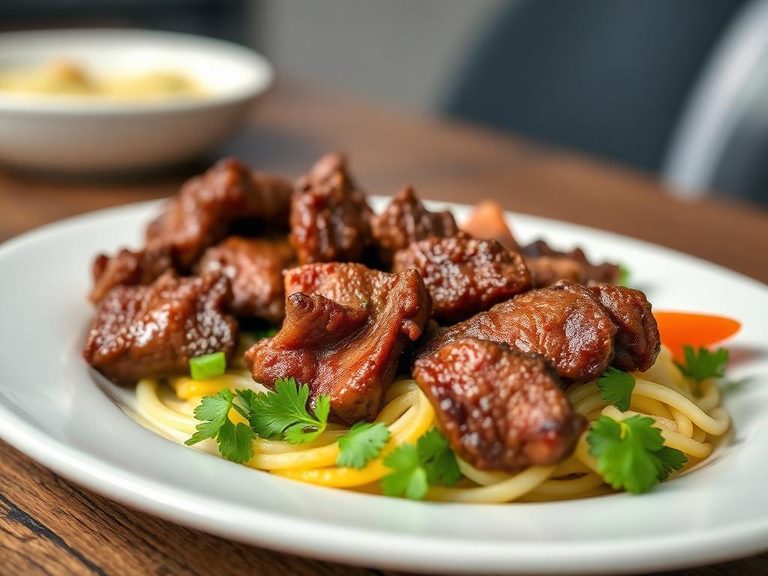
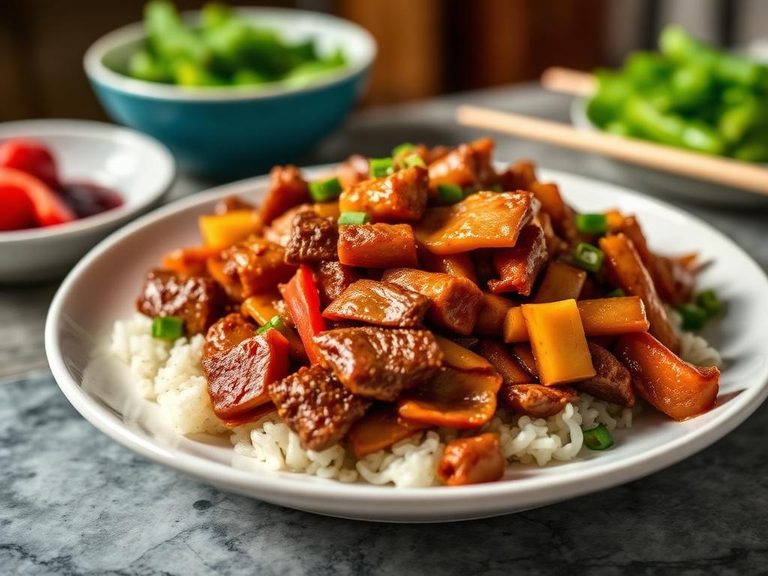
🍽️ Popular dishes
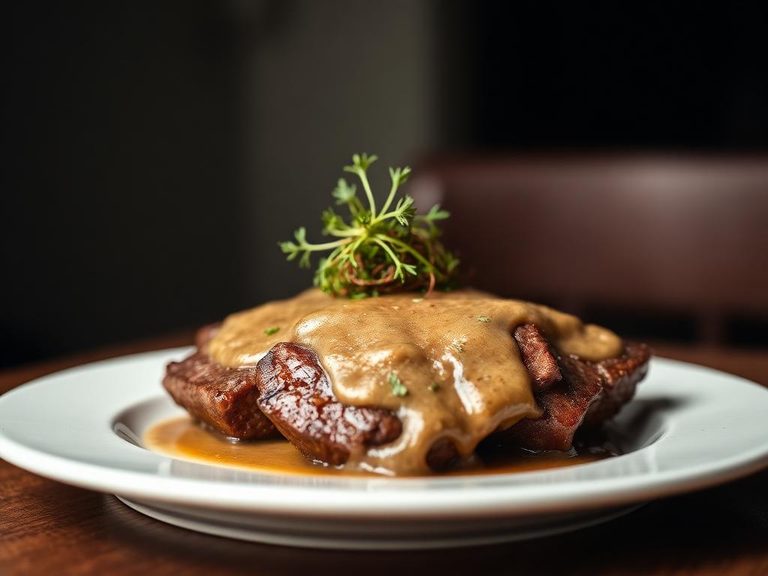
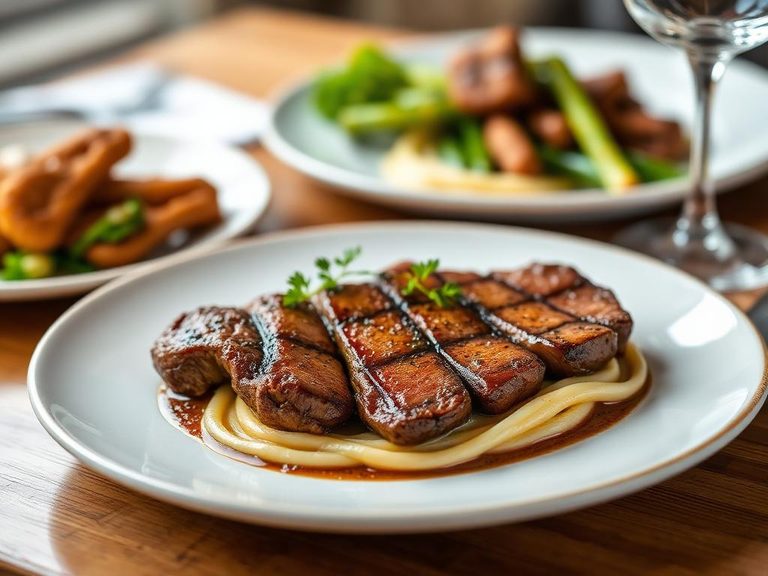
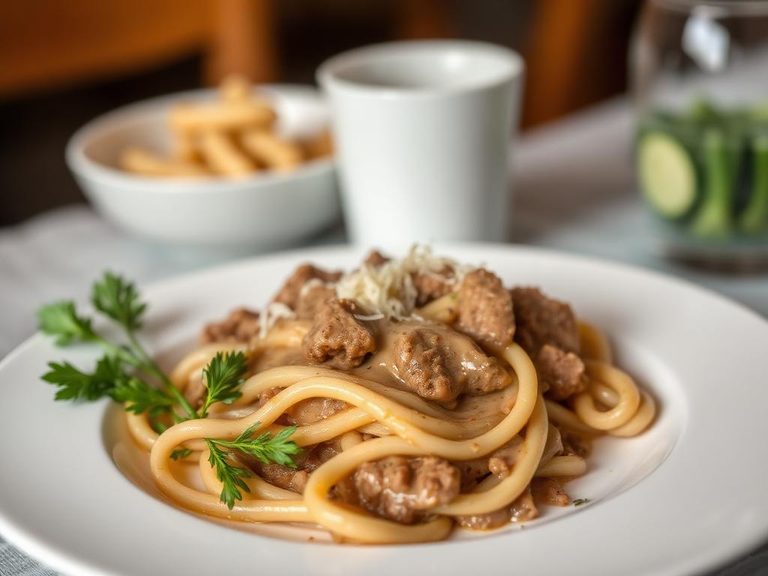
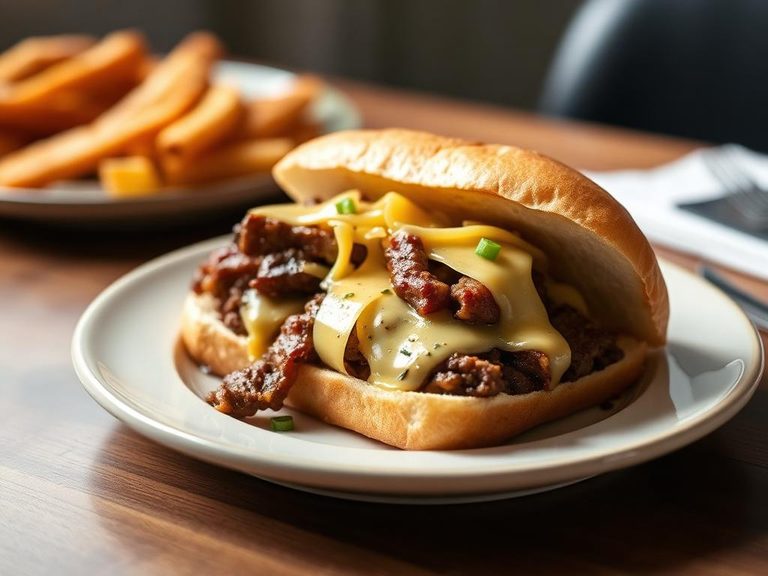
🌍 Where it's eaten
💡 Did you know?
The 'shoulder tender' is sometimes called the 'mock tender' or 'scotch tender' because it mimics the tenderness of a filet mignon but at a more affordable price point.
Full nutrition (USDA data · scales with serving)
| Water | 72.8 g |
| Energy | 144 kcal |
| Energy | 602 kj |
| Protein | 20.5 g |
| Total lipid (fat) | 6.2 g |
| Ash | 0.92 g |
| Carbohydrate, by difference | 0.00 g |
| Fiber, total dietary | 0.00 g |
| Total Sugars | 0.00 g |
| Calcium, Ca | 5.0 mg |
| Iron, Fe | 1.9 mg |
| Magnesium, Mg | 23.0 mg |
| Phosphorus, P | 196 mg |
| Potassium, K | 327 mg |
| Sodium, Na | 58.0 mg |
| Zinc, Zn | 3.7 mg |
| Copper, Cu | 0.13 mg |
| Manganese, Mn | 0.02 mg |
| Selenium, Se | 33.3 ug |
| Vitamin C, total ascorbic acid | 0.00 mg |
| Thiamin | 0.09 mg |
| Riboflavin | 0.27 mg |
| Niacin | 4.5 mg |
| Pantothenic acid | 0.80 mg |
| Vitamin B-6 | 0.50 mg |
| Folate, total | 7.0 ug |
| Folic acid | 0.00 ug |
| Folate, food | 7.0 ug |
| Folate, DFE | 7.0 ug |
| Vitamin B-12 | 4.0 ug |
| Vitamin B-12, added | 0.00 ug |
| Vitamin A, RAE | 0.00 ug |
| Retinol | 0.00 ug |
| Carotene, beta | 0.00 ug |
| Carotene, alpha | 0.00 ug |
| Cryptoxanthin, beta | 0.00 ug |
| Vitamin A, IU | 0.00 iu |
| Lycopene | 0.00 ug |
| Lutein + zeaxanthin | 0.00 ug |
| Vitamin E (alpha-tocopherol) | 0.09 mg |
| Vitamin E, added | 0.00 mg |
| Tocopherol, beta | 0.01 mg |
| Tocopherol, gamma | 0.02 mg |
| Tocopherol, delta | 0.00 mg |
| Tocotrienol, alpha | 0.01 mg |
| Tocotrienol, beta | 0.00 mg |
| Tocotrienol, gamma | 0.00 mg |
| Tocotrienol, delta | 0.00 mg |
| Vitamin K (phylloquinone) | 0.20 ug |
| Vitamin K (Dihydrophylloquinone) | 0.00 ug |
| Vitamin K (Menaquinone-4) | 1.5 ug |
| Alcohol, ethyl | 0.00 g |
| Caffeine | 0.00 mg |
| Theobromine | 0.00 mg |
Fat & fatty acid profile (per 100g)
| Fatty acids, total saturated | 2.1 g |
| SFA 4:0 | 0.00 g |
| SFA 6:0 | 0.00 g |
| SFA 8:0 | 0.00 g |
| SFA 10:0 | 0.00 g |
| SFA 12:0 | 0.00 g |
| SFA 14:0 | 0.15 g |
| SFA 15:0 | 0.02 g |
| SFA 16:0 | 1.2 g |
| SFA 17:0 | 0.06 g |
| SFA 18:0 | 0.64 g |
| SFA 20:0 | 0.00 g |
| SFA 22:0 | 0.02 g |
| Fatty acids, total monounsaturated | 2.1 g |
| MUFA 14:1 | 0.03 g |
| MUFA 15:1 | 0.00 g |
| MUFA 16:1 | 0.15 g |
| MUFA 17:1 | 0.00 g |
| MUFA 18:1 | 2.0 g |
| MUFA 18:1 c | 1.8 g |
| MUFA 20:1 | 0.00 g |
| Fatty acids, total polyunsaturated | 0.34 g |
| PUFA 18:2 | 0.28 g |
| PUFA 18:2 n-6 c,c | 0.24 g |
| PUFA 18:3 | 0.01 g |
| PUFA 18:3 n-3 c,c,c (ALA) | 0.01 g |
| PUFA 18:3 n-6 c,c,c | 0.00 g |
| PUFA 18:4 | 0.00 g |
| PUFA 20:2 n-6 c,c | 0.00 g |
| PUFA 20:3 | 0.00 g |
| PUFA 20:4 | 0.05 g |
| Fatty acids, total trans | 0.21 g |
| Fatty acids, total trans-monoenoic | 0.17 g |
| TFA 18:1 t | 0.17 g |
| TFA 18:2 t,t | 0.04 g |
| Fatty acids, total trans-polyenoic | 0.04 g |
| Cholesterol | 57.0 mg |
Amino acid profile (per 100g)
| Tryptophan | 0.14 g |
| Threonine | 0.82 g |
| Isoleucine | 0.93 g |
| Leucine | 1.6 g |
| Lysine | 1.7 g |
| Methionine | 0.54 g |
| Cystine | 0.27 g |
| Phenylalanine | 0.81 g |
| Tyrosine | 0.65 g |
| Valine | 1.0 g |
| Arginine | 1.3 g |
| Histidine | 0.66 g |
| Alanine | 1.2 g |
| Aspartic acid | 1.9 g |
| Glutamic acid | 3.1 g |
| Glycine | 1.3 g |
| Proline | 0.98 g |
| Serine | 0.81 g |
| Hydroxyproline | 0.22 g |
FAQ
How is 'shoulder clod' different from other chuck cuts?
The shoulder clod is a large sub-primal cut from the shoulder. The 'shoulder tender' (or medallion) is a specific, very tender muscle found within this clod, making it more premium and tender than other muscles in the chuck.
What's the best way to cook this lean cut to avoid it becoming dry?
Quick, high-heat cooking methods like searing, grilling, or stir-frying are ideal. Use a meat thermometer to pull it off the heat at 130-135°F (54-57°C) for medium-rare. Letting it rest for 5-10 minutes after cooking is crucial to retain its juices.
Is this cut suitable for slow cooking or braising?
While it can be braised, its fine grain and tenderness mean it's often better suited for quick cooking. If braising, use lower heat and shorter times than you would for tougher chuck roasts to prevent it from becoming mushy.
Nutrient density (calculated · NRF9.3)
Nutrient Rich Foods index: beneficial nutrients (protein, fiber, vitamins, minerals) minus saturated fat, added sugar & sodium, per 100 kcal.
NRF9.3 index — Fulgoni, Keast & Drewnowski, 2009. Computed from USDA nutrients.
Weight-loss friendliness (composite index)
Energy density 1.44 kcal/g · 57% calories from protein · 0.0 g fiber · 0.0 g sugar per 100 g.
Composite of energy density (Rolls et al., 1999), protein & fiber satiety, minus sugar. A calculated heuristic — ranks satiety-per-calorie, not a clinical measure.
Dietary load (calculated from USDA values)
Potential renal acid load. Positive = acid-forming, negative = alkaline-forming.
Sodium-to-potassium ratio: 0.18 (lower is better — aim for ≤ 1)
Sodium:potassium per WHO potassium guidance. Computed from USDA nutrients.