

Wasabi
Whole food · Soups, Sauces, and Gravies

Photo: Wikipedia
Wasabi is the fiery green rhizome of the Wasabia japonica plant, traditionally grated fresh to a gritty, paste-like texture. Its heat is a volatile, nasal-clearing sensation that peaks quickly and fades, unlike the lingering burn of chili peppers. Despite its potent kick, it's low in calories and provides a good source of fiber.
Calorie split: 3% protein · 63% carbs · 34% fat
↓ Full nutrition💚 Why it's loved
People love wasabi for its unique, exhilarating heat that clears the sinuses and enhances the delicate flavors of sushi and sashimi. Its cultural significance in Japanese dining rituals and the theatrical experience of freshly grated wasabi add to its appeal.
⚠️ Watch-outs & how to enjoy it better
The intense, sharp heat can be overwhelming for some palates and may cause temporary discomfort or a runny nose. Those with sensitive digestive systems should use it sparingly. Most commercial wasabi pastes are actually horseradish, mustard, and green food coloring, which can be high in sodium; opt for authentic wasabi or control portions of commercial paste.
Key benefits
- Contains isothiocyanates, compounds studied for their antimicrobial properties
- May help inhibit the growth of certain bacteria, including those linked to foodborne illness
- Provides dietary fiber, supporting digestive health
- Low in calories and sugar, adding flavor without significant caloric load
- Traditionally used in Japanese cuisine to help preserve and flavor raw fish
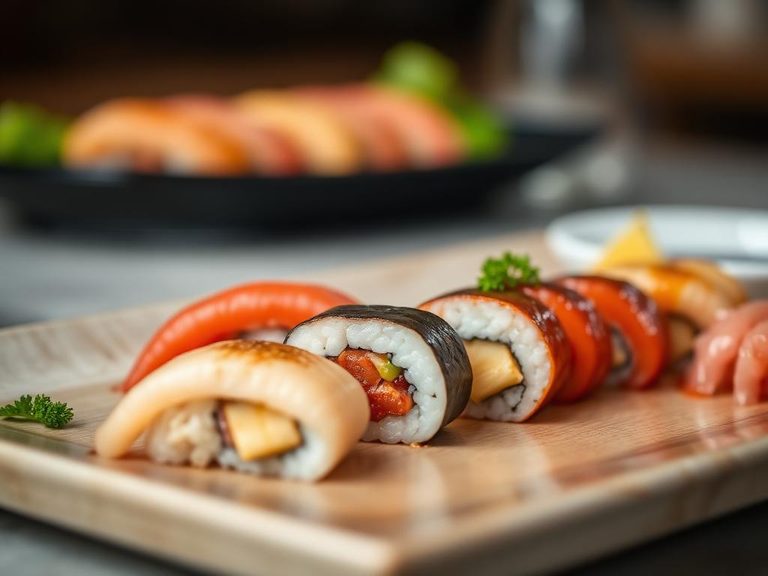
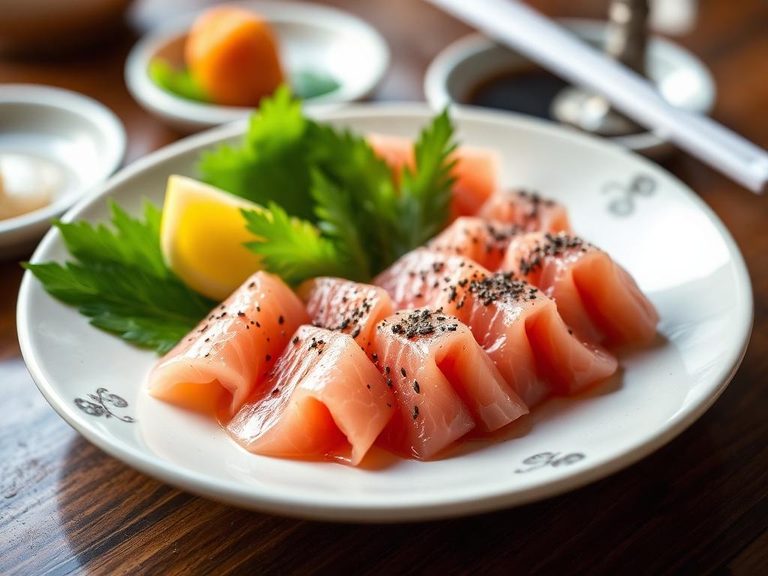
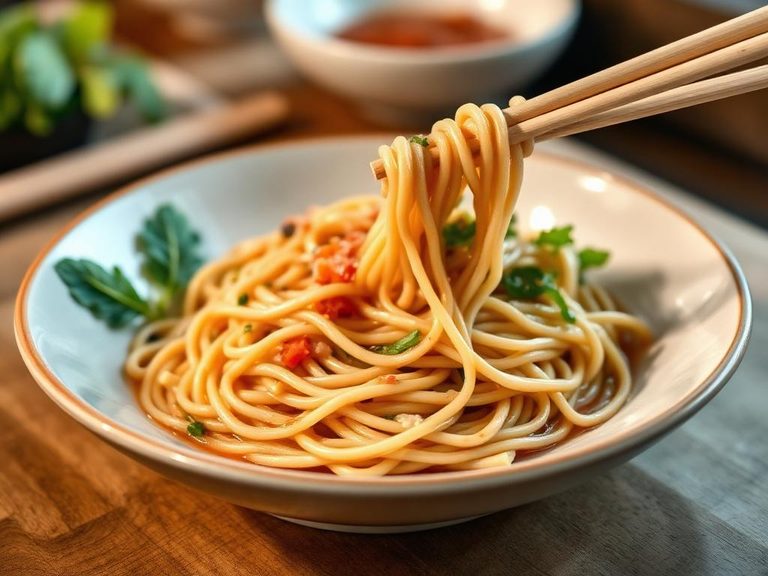
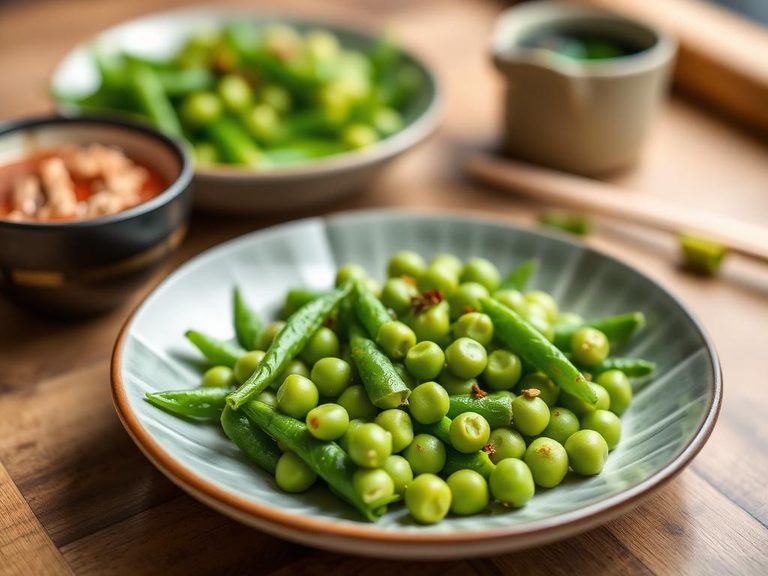
🍽️ Popular dishes
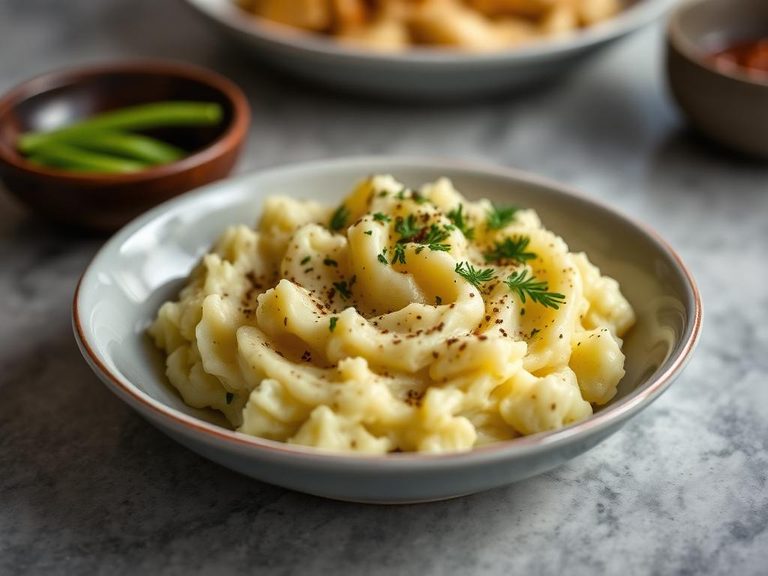
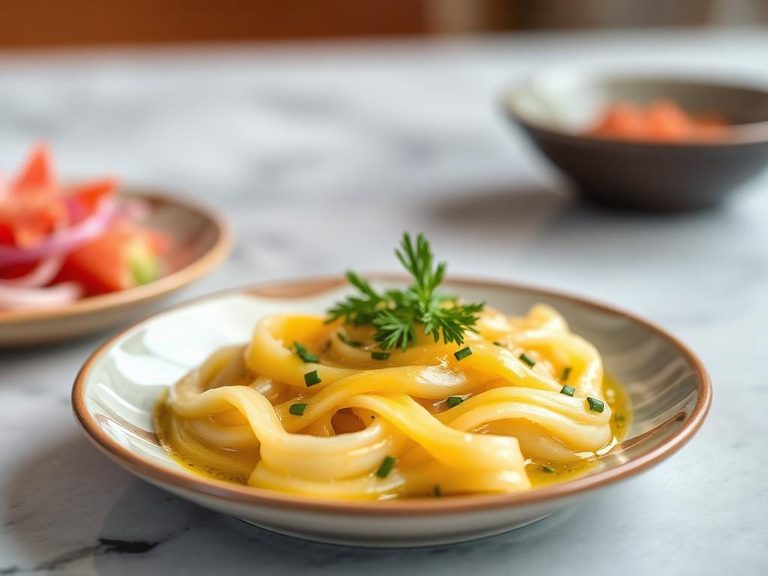
🌍 Where it's eaten
💡 Did you know?
The 'heat' from wasabi is not detected by taste buds but by pain receptors in the nose and sinuses, which is why it makes your eyes water and nose run.
Full nutrition (USDA data · scales with serving)
| Water | 31.7 g |
| Energy | 292 kcal |
| Energy | 1220 kj |
| Protein | 2.2 g |
| Total lipid (fat) | 10.9 g |
| Ash | 9.0 g |
| Carbohydrate, by difference | 46.1 g |
| Fiber, total dietary | 6.1 g |
| Total Sugars | 13.2 g |
| Sucrose | 8.4 g |
| Glucose | 2.5 g |
| Fructose | 2.3 g |
| Lactose | 0.00 g |
| Maltose | 0.00 g |
| Galactose | 0.00 g |
| Starch | 8.4 g |
| Calcium, Ca | 41.0 mg |
| Iron, Fe | 0.50 mg |
| Magnesium, Mg | 21.0 mg |
| Phosphorus, P | 26.0 mg |
| Potassium, K | 182 mg |
| Sodium, Na | 3390 mg |
| Zinc, Zn | 0.61 mg |
| Copper, Cu | 0.06 mg |
| Manganese, Mn | 0.14 mg |
| Selenium, Se | 2.2 ug |
| Vitamin C, total ascorbic acid | 0.00 mg |
| Thiamin | 0.05 mg |
| Riboflavin | 0.07 mg |
| Niacin | 0.16 mg |
| Pantothenic acid | 0.00 mg |
| Vitamin B-6 | 0.05 mg |
| Folate, total | 10.0 ug |
| Folic acid | 0.00 ug |
| Folate, food | 10.0 ug |
| Folate, DFE | 10.0 ug |
| Choline, total | 2.3 mg |
| Vitamin B-12 | 0.00 ug |
| Vitamin B-12, added | 0.00 ug |
| Vitamin A, RAE | 0.00 ug |
| Retinol | 0.00 ug |
| Carotene, beta | 2.0 ug |
| Carotene, alpha | 0.00 ug |
| Cryptoxanthin, beta | 0.00 ug |
| Vitamin A, IU | 3.0 iu |
| Lycopene | 0.00 ug |
| Lutein + zeaxanthin | 5.0 ug |
| Vitamin E (alpha-tocopherol) | 3.9 mg |
| Vitamin E, added | 0.00 mg |
| Tocopherol, beta | 0.18 mg |
| Tocopherol, gamma | 0.44 mg |
| Tocopherol, delta | 0.00 mg |
| Tocotrienol, alpha | 2.3 mg |
| Tocotrienol, beta | 0.00 mg |
| Tocotrienol, gamma | 2.4 mg |
| Tocotrienol, delta | 0.00 mg |
| Vitamin D (D2 + D3), International Units | 0.00 iu |
| Vitamin D (D2 + D3) | 0.00 ug |
| Vitamin K (phylloquinone) | 3.5 ug |
| Vitamin K (Dihydrophylloquinone) | 0.00 ug |
| Vitamin K (Menaquinone-4) | 0.00 ug |
| Alcohol, ethyl | 0.00 g |
| Caffeine | 0.00 mg |
| Theobromine | 0.00 mg |
Fat & fatty acid profile (per 100g)
| Fatty acids, total saturated | 2.0 g |
| SFA 4:0 | 0.00 g |
| SFA 6:0 | 0.00 g |
| SFA 8:0 | 0.00 g |
| SFA 10:0 | 0.00 g |
| SFA 12:0 | 0.00 g |
| SFA 14:0 | 0.04 g |
| SFA 15:0 | 0.01 g |
| SFA 16:0 | 1.7 g |
| SFA 17:0 | 0.01 g |
| SFA 18:0 | 0.20 g |
| SFA 20:0 | 0.07 g |
| SFA 22:0 | 0.02 g |
| SFA 24:0 | 0.04 g |
| Fatty acids, total monounsaturated | 4.4 g |
| MUFA 14:1 | 0.00 g |
| MUFA 15:1 | 0.00 g |
| MUFA 16:1 | 0.02 g |
| MUFA 16:1 c | 0.02 g |
| MUFA 17:1 | 0.00 g |
| MUFA 18:1 | 4.3 g |
| MUFA 18:1 c | 4.3 g |
| MUFA 20:1 | 0.07 g |
| MUFA 22:1 | 0.00 g |
| MUFA 22:1 c | 0.00 g |
| MUFA 24:1 c | 0.00 g |
| Fatty acids, total polyunsaturated | 3.6 g |
| PUFA 18:2 | 3.5 g |
| PUFA 18:2 n-6 c,c | 3.4 g |
| PUFA 18:2 CLAs | 0.01 g |
| PUFA 18:3 | 0.16 g |
| PUFA 18:3 n-3 c,c,c (ALA) | 0.15 g |
| PUFA 18:3 n-6 c,c,c | 0.01 g |
| PUFA 18:3i | 0.00 g |
| PUFA 18:4 | 0.00 g |
| PUFA 20:2 n-6 c,c | 0.00 g |
| PUFA 20:3 | 0.00 g |
| PUFA 20:3 n-3 | 0.00 g |
| PUFA 20:3 n-6 | 0.00 g |
| PUFA 20:4 | 0.00 g |
| PUFA 20:5 n-3 (EPA) | 0.00 g |
| PUFA 22:4 | 0.00 g |
| PUFA 22:5 n-3 (DPA) | 0.00 g |
| PUFA 22:6 n-3 (DHA) | 0.00 g |
| Fatty acids, total trans | 0.04 g |
| Fatty acids, total trans-monoenoic | 0.01 g |
| TFA 16:1 t | 0.00 g |
| TFA 18:1 t | 0.01 g |
| TFA 22:1 t | 0.00 g |
| TFA 18:2 t not further defined | 0.02 g |
| Fatty acids, total trans-polyenoic | 0.02 g |
| Cholesterol | 0.00 mg |
FAQ
Is the green wasabi paste at restaurants real?
Most often, no. The bright green paste is typically a mixture of horseradish, mustard, and food coloring. True wasabi is expensive and usually grated fresh from the rhizome.
How do I store fresh wasabi root?
Wrap the unwashed root in a damp paper towel, place it in a plastic bag, and store it in the refrigerator's crisper drawer. It can last for several weeks this way.
Can I grow wasabi at home?
Yes, but it's challenging. Wasabi requires very specific conditions: cool temperatures (around 50-60°F), high humidity, and indirect light, often making it suitable for container gardening in shaded areas.
Nutrient density (calculated · NRF9.3)
Nutrient Rich Foods index: beneficial nutrients (protein, fiber, vitamins, minerals) minus saturated fat, added sugar & sodium, per 100 kcal.
NRF9.3 index — Fulgoni, Keast & Drewnowski, 2009. Computed from USDA nutrients.
Weight-loss friendliness (composite index)
Energy density 2.92 kcal/g · 3% calories from protein · 6.1 g fiber · 13.2 g sugar per 100 g.
Composite of energy density (Rolls et al., 1999), protein & fiber satiety, minus sugar. A calculated heuristic — ranks satiety-per-calorie, not a clinical measure.
Dietary load (calculated from USDA values)
Potential renal acid load. Positive = acid-forming, negative = alkaline-forming.
Sodium-to-potassium ratio: 18.63 (lower is better — aim for ≤ 1)
Sodium:potassium per WHO potassium guidance. Computed from USDA nutrients.