Soba Noodles
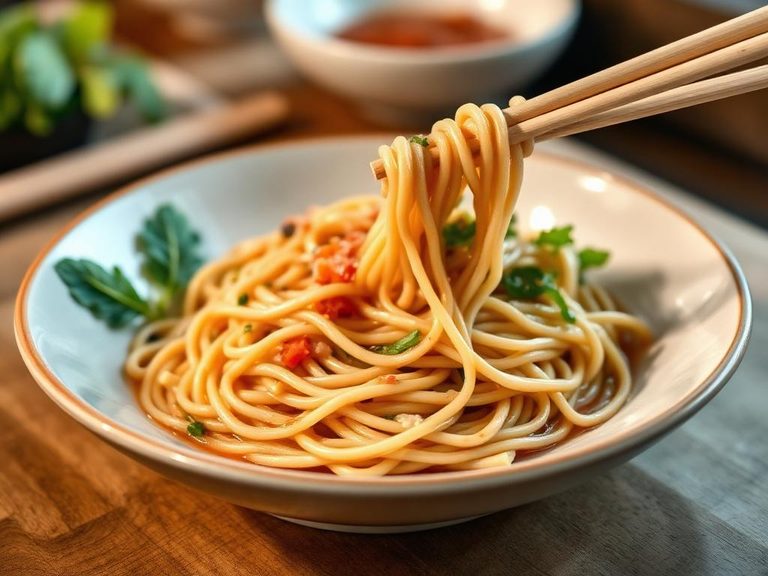
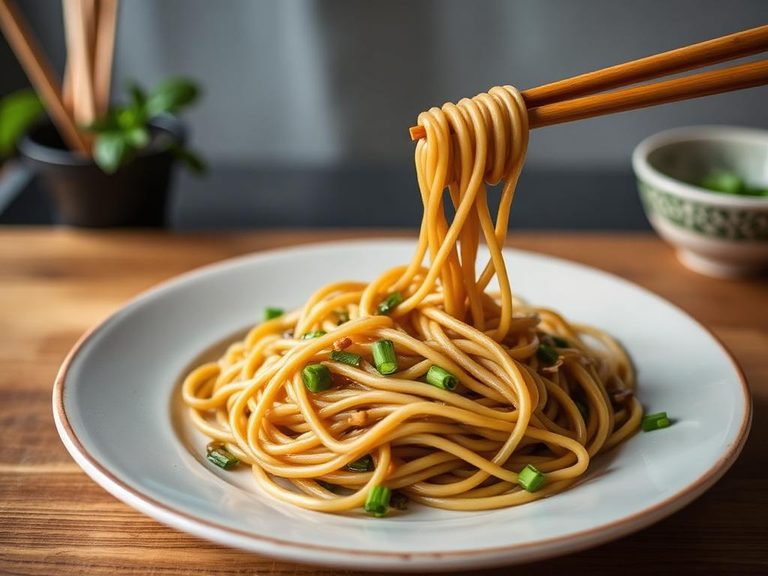
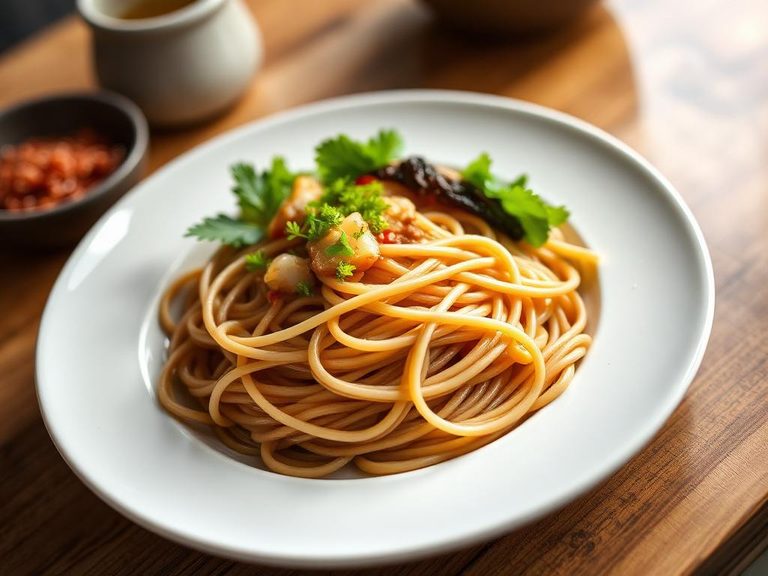
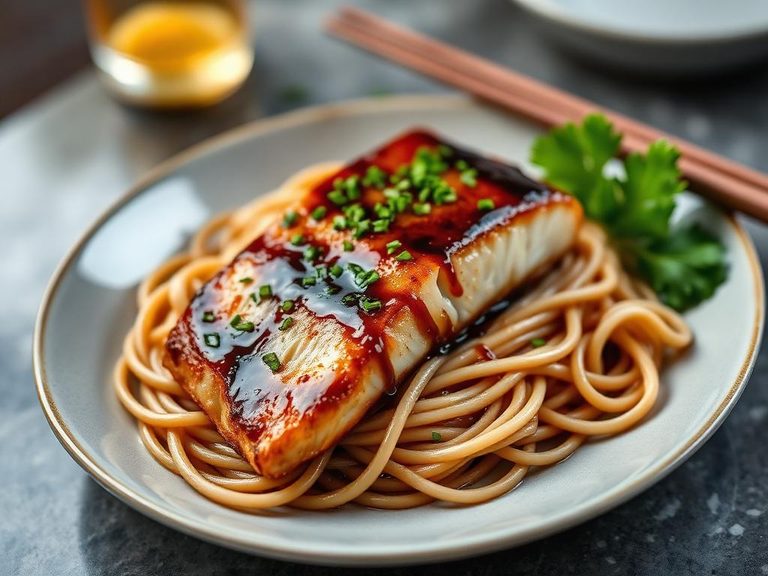
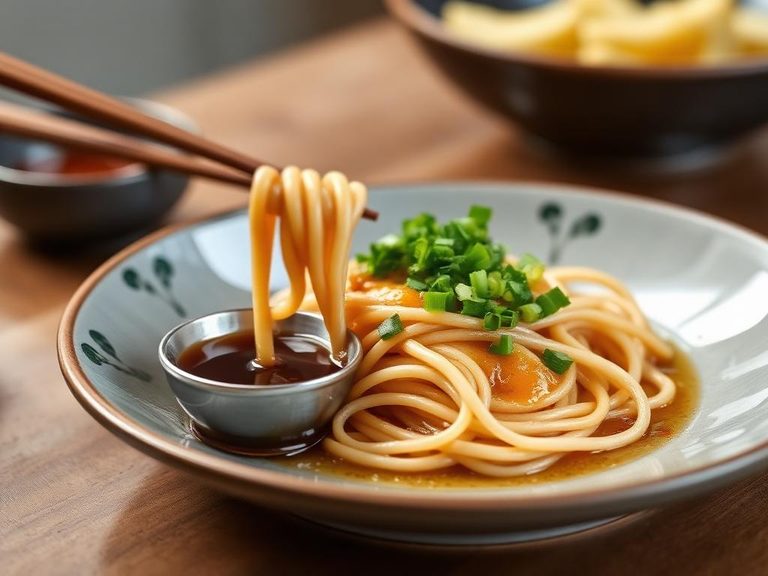
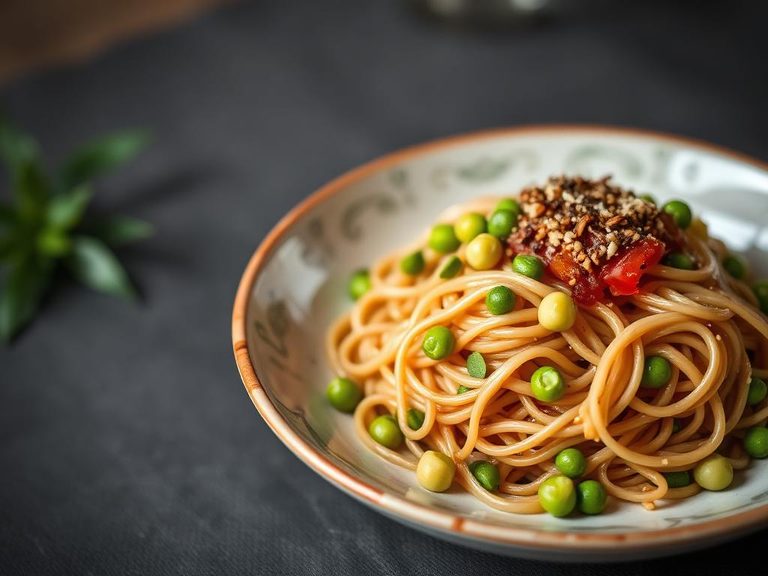
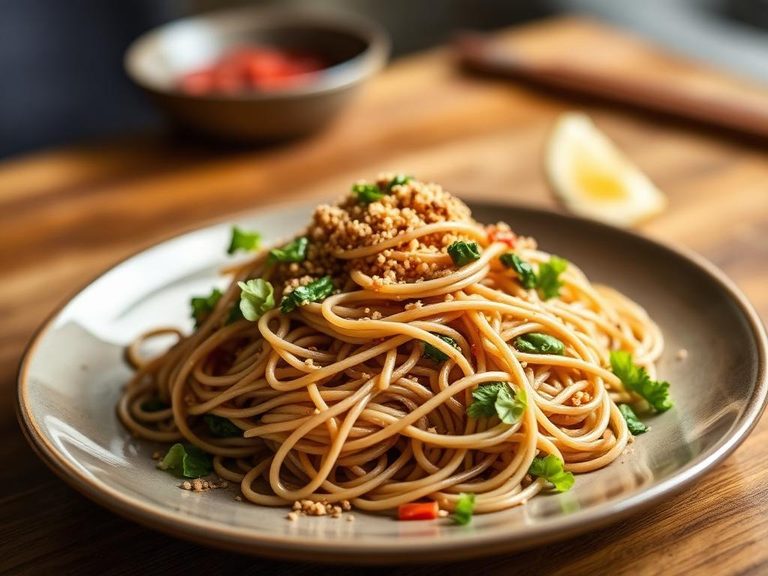
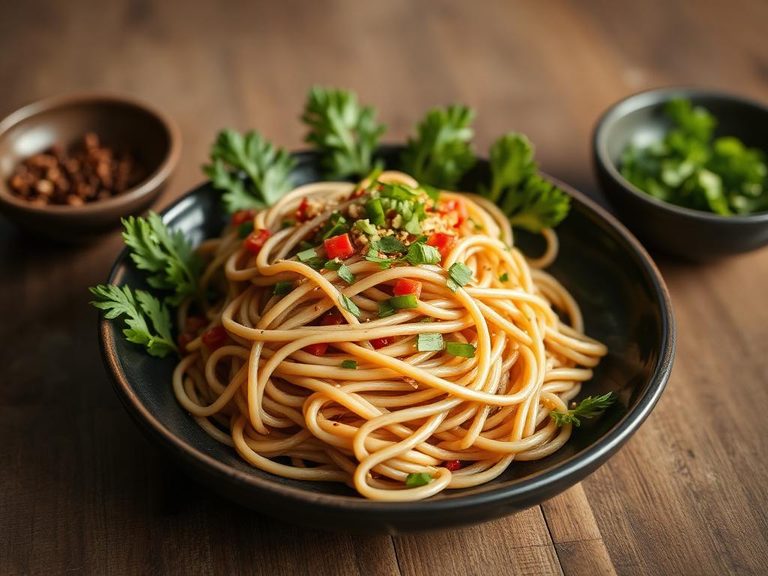
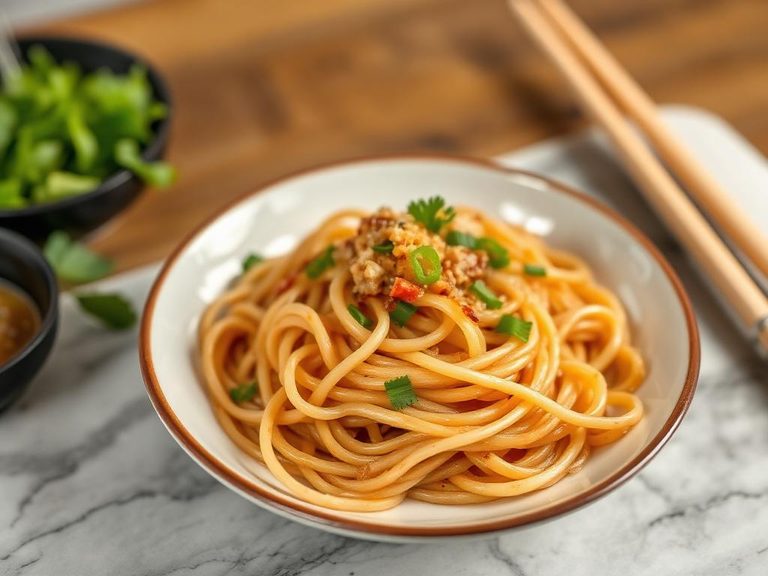
Soba noodles are a traditional Japanese dish made from buckwheat flour, giving them a distinct nutty flavor and firm texture. They are typically served either chilled with a dipping sauce (zaru soba) or in a hot broth, often garnished with scallions, wasabi, or nori seaweed. Originating in Japan, they are a staple in both casual and formal dining, especially popular in the colder months when served warm.
🍳 View the full Soba Noodles recipe →
🍽️ Nutrition at a glance
Soba noodles are relatively high in carbohydrates but also provide a good amount of plant-based protein and dietary fiber, especially when made with a high buckwheat content. They are a source of essential minerals like manganese and thiamine, with a typical serving containing around 200-250 calories, depending on preparation.
Nutrition breakdown
| Calories | 113 kcal |
| Protein | 5.8 g |
| Carbs | 23 g |
| Fat | 0.3 g |
| Fiber | 1.5 g |
| Sugar | 0.5 g |
| Sodium | 5 mg |
| Manganese | 0.6 mg |
| Thiamin (B1) | 0.1 mg |
| Niacin (B3) | 1.5 mg |
| Folate | 24 mcg |
| Iron | 1.5 mg |
| Magnesium | 40 mg |
| Phosphorus | 75 mg |
| Potassium | 80 mg |
Per 1 cup (114 g) cooked · estimated, varies by recipe
💡 What's interesting
Culturally, soba noodles are associated with longevity and are traditionally eaten on New Year's Eve in Japan (toshikoshi soba) to symbolize a long life. Nutritionally, buckwheat is a gluten-free grain (though some soba contains wheat), making it a suitable option for those with mild gluten sensitivities, and it has a lower glycemic index compared to many other noodle types.