Japanese Soba Noodles
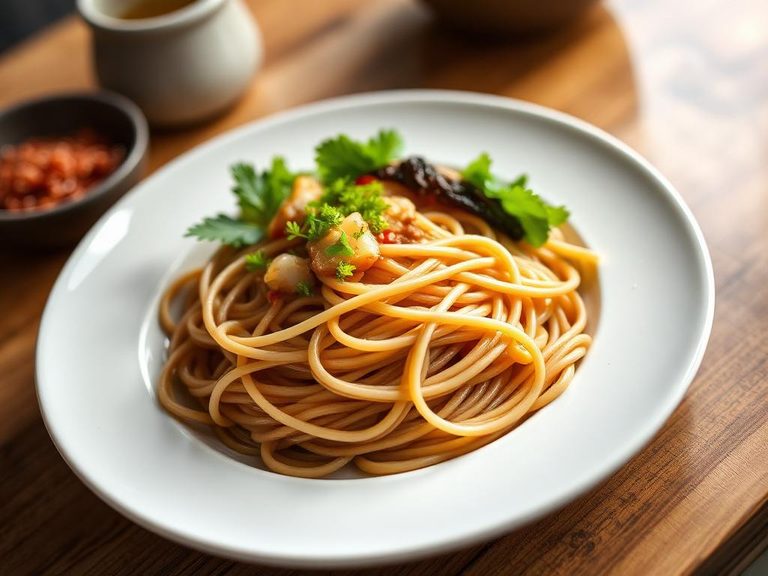
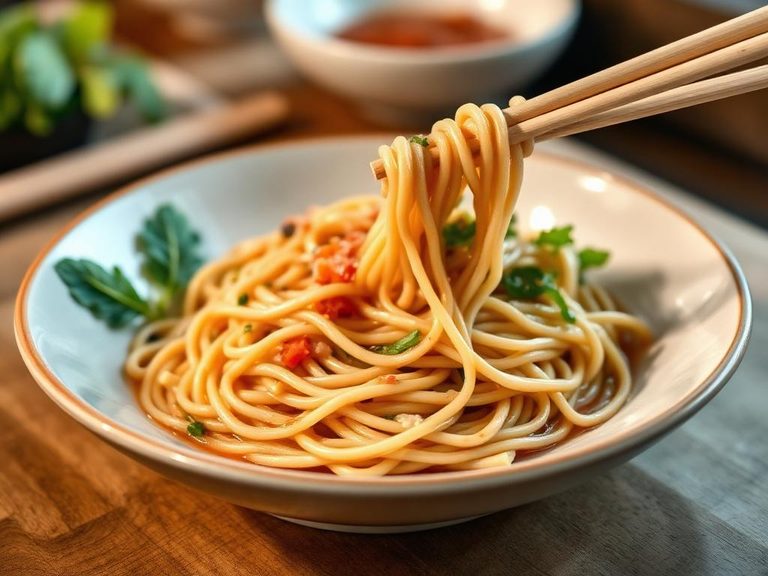
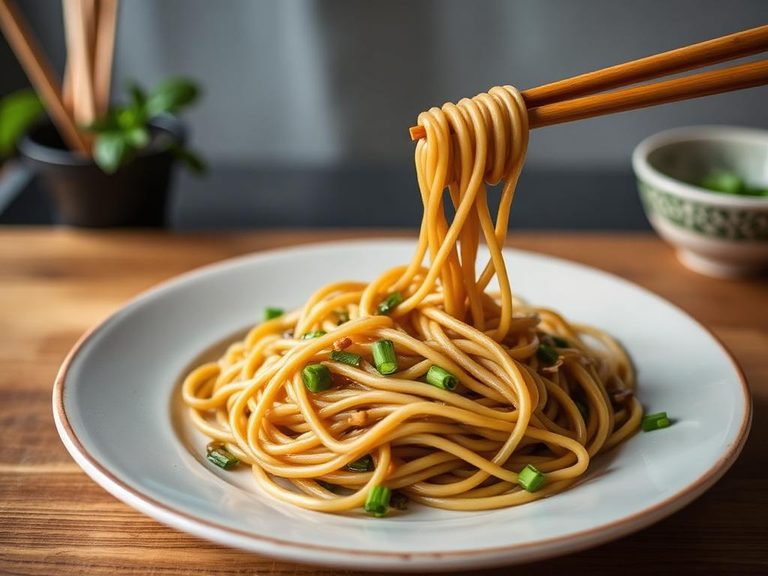
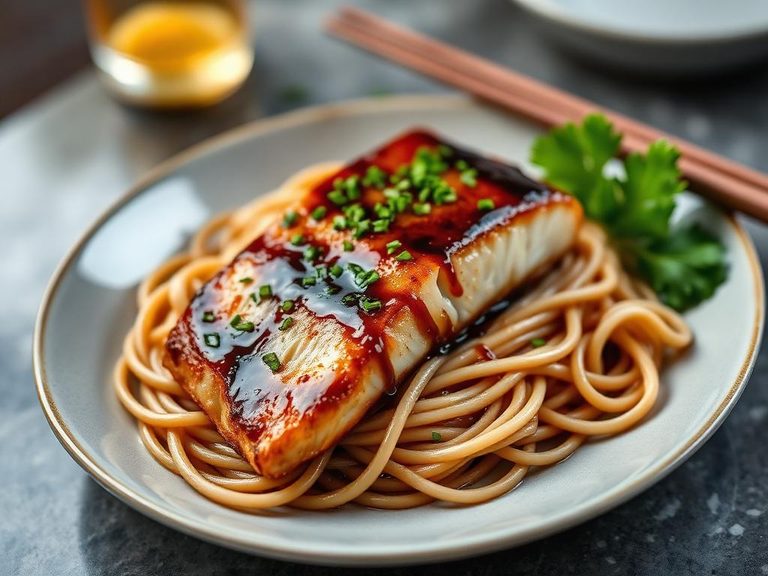
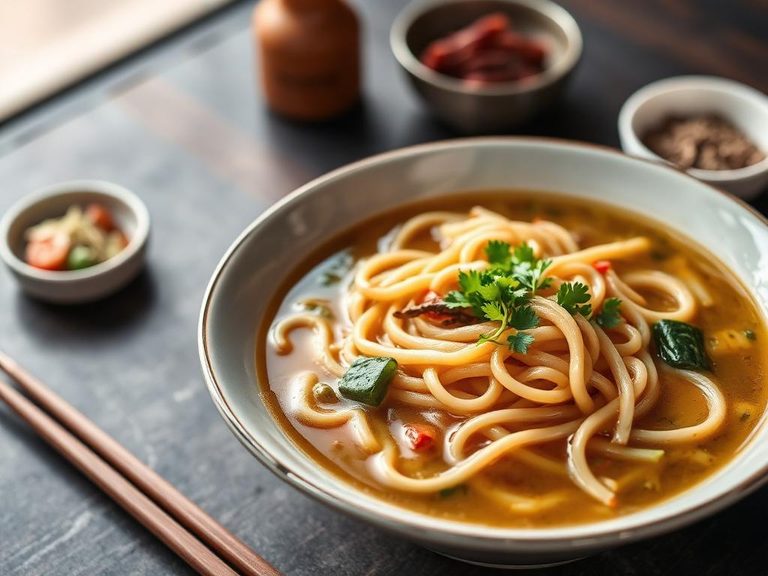
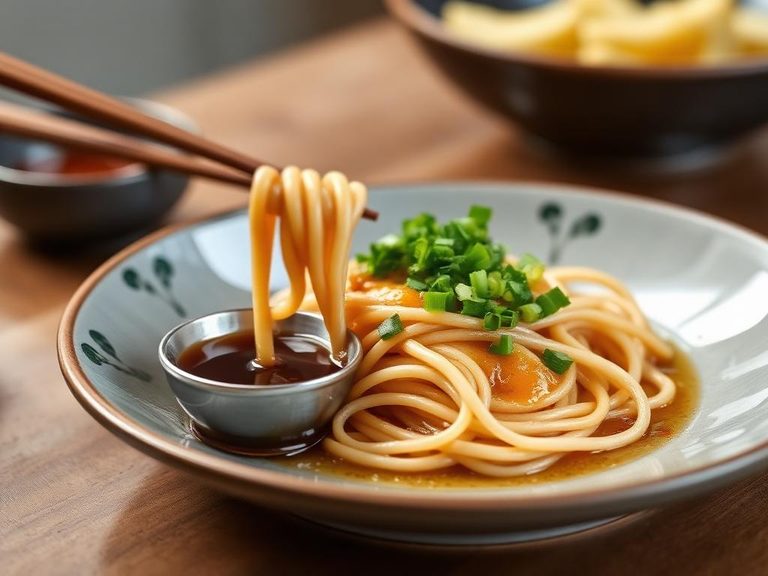
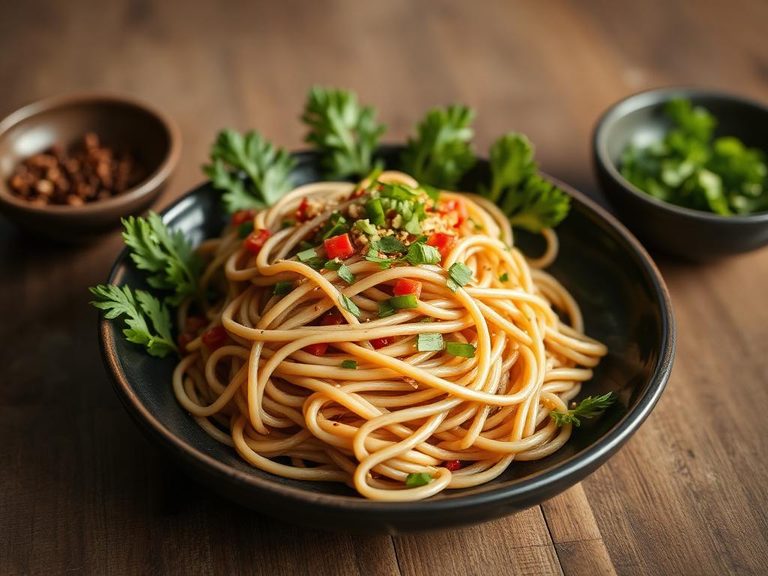
Japanese soba noodles are thin, traditional noodles made primarily from buckwheat flour, giving them a distinctive nutty flavor and earthy aroma. They are a staple in Japanese cuisine, often served chilled with a dipping sauce (zaru soba) or hot in a savory broth (kake soba), and are commonly garnished with nori seaweed, scallions, and wasabi.
🍽️ Nutrition at a glance
Soba noodles are a good source of complex carbohydrates and provide a moderate amount of plant-based protein, especially when made with a blend of buckwheat and wheat flour. They are relatively low in fat and offer essential nutrients like manganese, thiamine, and fiber, with a typical serving containing around 200-300 calories.
Nutrition breakdown
| Calories | 113 kcal |
| Protein | 5.7 g |
| Carbs | 23 g |
| Fat | 0.6 g |
| Fiber | 2.4 g |
| Sugar | 0.5 g |
| Sodium | 2 mg |
| Potassium | 120 mg |
| Magnesium | 47 mg |
| Phosphorus | 70 mg |
| Iron | 1.1 mg |
| Niacin (B3) | 2.1 mg |
| Thiamin (B1) | 0.1 mg |
| Folate | 14 mcg |
| Manganese | 0.4 mg |
Per 1 cup cooked (114 g) · estimated, varies by recipe
💡 What's interesting
Culturally, soba noodles are deeply tied to Japanese New Year traditions, where eating them (toshikoshi soba) symbolizes longevity and resilience. Nutritionally, buckwheat is a gluten-free grain (though some soba blends contain wheat), making it a unique option for those seeking alternative grain-based dishes with potential heart-health benefits.