

Pork, fresh, loin, blade (chops), bone-in, separable lean only, cooked, pan-fried
Whole food · Pork Products

Photo: Wikipedia
This is a lean, bone-in pork chop cut from the shoulder blade, pan-fried to a golden crust. The meat is tender with a mild, savory flavor and a satisfying, slightly chewy texture. It's a high-protein, virtually zero-carb food, making it a staple for low-carb and keto diets.
Calorie split: 49% protein · 0% carbs · 51% fat
↓ Full nutrition💚 Why it's loved
People love it for its deep, meaty flavor that develops beautifully when pan-fried, creating a delicious crust. It's a versatile canvas for marinades, rubs, and sauces, making it a quick, hearty weeknight staple.
⚠️ Watch-outs & how to enjoy it better
As a red meat, it should be consumed in moderation by those managing saturated fat intake. The pan-frying method can add significant calories from cooking fat. To counteract, use a non-stick pan with minimal oil, trim any external fat before cooking, and pair it with large portions of non-starchy vegetables like broccoli or a leafy salad to balance the meal.
Key benefits
- Excellent source of complete protein (26g per 100g).
- Virtually carbohydrate-free, ideal for low-carb diets.
- Good source of B vitamins, especially thiamine (B1) and niacin (B3).
- Provides essential minerals like selenium and phosphorus.
- The bone-in cut can add flavor and moisture during cooking.
🍽️ Popular dishes
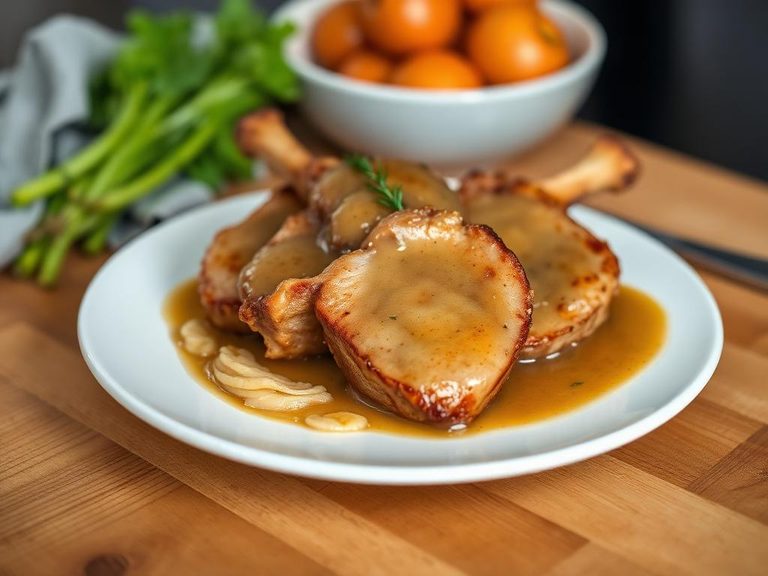

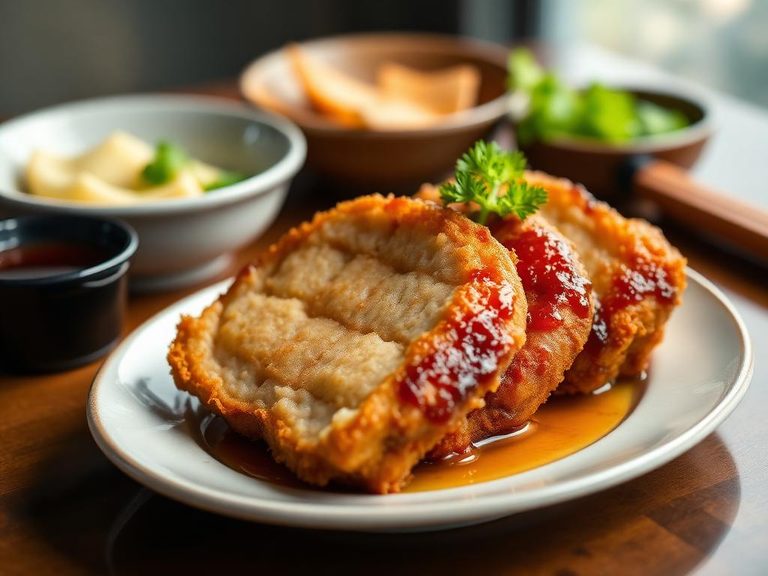
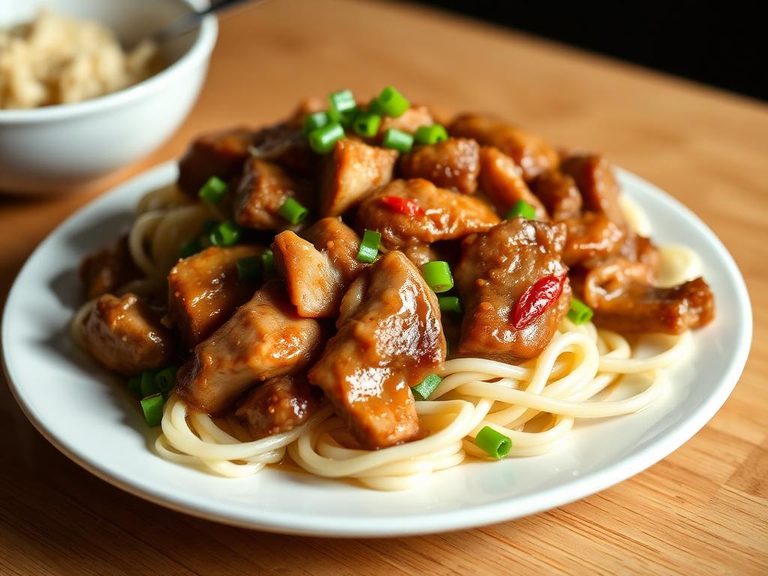
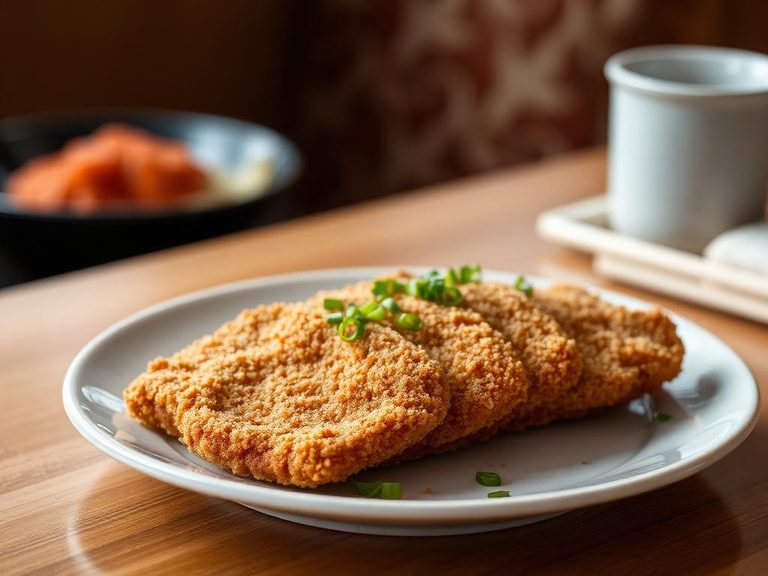
🌍 Where it's eaten
💡 Did you know?
The 'blade' in its name comes from the flat, blade-shaped bone (the scapula) embedded in this cut, which is a key identifier for butchers.
Full nutrition (USDA data · scales with serving)
| Water | 61.1 g |
| Energy | 222 kcal |
| Energy | 929 kj |
| Protein | 26.4 g |
| Total lipid (fat) | 12.1 g |
| Ash | 1.3 g |
| Carbohydrate, by difference | 0.00 g |
| Fiber, total dietary | 0.00 g |
| Total Sugars | 0.00 g |
| Calcium, Ca | 46.0 mg |
| Iron, Fe | 0.88 mg |
| Magnesium, Mg | 21.0 mg |
| Phosphorus, P | 237 mg |
| Potassium, K | 335 mg |
| Sodium, Na | 88.0 mg |
| Zinc, Zn | 3.0 mg |
| Copper, Cu | 0.10 mg |
| Manganese, Mn | 0.01 mg |
| Selenium, Se | 38.7 ug |
| Vitamin C, total ascorbic acid | 0.00 mg |
| Thiamin | 0.51 mg |
| Riboflavin | 0.35 mg |
| Niacin | 8.6 mg |
| Pantothenic acid | 1.2 mg |
| Vitamin B-6 | 0.50 mg |
| Folate, total | 0.00 ug |
| Folic acid | 0.00 ug |
| Folate, food | 0.00 ug |
| Folate, DFE | 0.00 ug |
| Choline, total | 85.0 mg |
| Betaine | 3.3 mg |
| Vitamin B-12 | 0.72 ug |
| Vitamin B-12, added | 0.00 ug |
| Vitamin A, RAE | 3.0 ug |
| Retinol | 3.0 ug |
| Carotene, beta | 0.00 ug |
| Carotene, alpha | 0.00 ug |
| Cryptoxanthin, beta | 0.00 ug |
| Vitamin A, IU | 10.0 iu |
| Lycopene | 0.00 ug |
| Lutein + zeaxanthin | 0.00 ug |
| Vitamin E (alpha-tocopherol) | 0.22 mg |
| Vitamin E, added | 0.00 mg |
| Vitamin D (D2 + D3), International Units | 23.0 iu |
| Vitamin D (D2 + D3) | 0.60 ug |
| Vitamin D3 (cholecalciferol) | 0.60 ug |
| Vitamin K (phylloquinone) | 0.00 ug |
| Vitamin K (Dihydrophylloquinone) | 0.00 ug |
| Alcohol, ethyl | 0.00 g |
| Caffeine | 0.00 mg |
| Theobromine | 0.00 mg |
Fat & fatty acid profile (per 100g)
| Fatty acids, total saturated | 2.6 g |
| SFA 4:0 | 0.00 g |
| SFA 6:0 | 0.00 g |
| SFA 8:0 | 0.00 g |
| SFA 10:0 | 0.01 g |
| SFA 12:0 | 0.01 g |
| SFA 14:0 | 0.09 g |
| SFA 15:0 | 0.00 g |
| SFA 16:0 | 1.6 g |
| SFA 17:0 | 0.02 g |
| SFA 18:0 | 0.85 g |
| SFA 20:0 | 0.01 g |
| SFA 22:0 | 0.00 g |
| SFA 24:0 | 0.00 g |
| Fatty acids, total monounsaturated | 5.7 g |
| MUFA 14:1 | 0.00 g |
| MUFA 15:1 | 0.00 g |
| MUFA 16:1 | 0.17 g |
| MUFA 17:1 | 0.00 g |
| MUFA 18:1 | 2.8 g |
| MUFA 18:1 c | 2.7 g |
| MUFA 20:1 | 0.05 g |
| MUFA 22:1 | 0.00 g |
| MUFA 22:1 c | 0.00 g |
| Fatty acids, total polyunsaturated | 1.1 g |
| PUFA 18:2 | 0.87 g |
| PUFA 18:3 | 0.04 g |
| PUFA 18:3 n-3 c,c,c (ALA) | 0.03 g |
| PUFA 18:3 n-6 c,c,c | 0.00 g |
| PUFA 18:3i | 0.00 g |
| PUFA 18:4 | 0.00 g |
| PUFA 20:2 n-6 c,c | 0.03 g |
| PUFA 20:3 | 0.00 g |
| PUFA 20:4 | 0.09 g |
| PUFA 20:5 n-3 (EPA) | 0.00 g |
| PUFA 22:5 n-3 (DPA) | 0.01 g |
| PUFA 22:6 n-3 (DHA) | 0.00 g |
| Fatty acids, total trans | 0.03 g |
| Fatty acids, total trans-monoenoic | 0.02 g |
| TFA 18:1 t | 0.02 g |
| Fatty acids, total trans-polyenoic | 0.00 g |
| Cholesterol | 82.0 mg |
Amino acid profile (per 100g)
| Tryptophan | 0.31 g |
| Threonine | 1.1 g |
| Isoleucine | 1.2 g |
| Leucine | 2.1 g |
| Lysine | 2.3 g |
| Methionine | 0.70 g |
| Cystine | 0.29 g |
| Phenylalanine | 1.1 g |
| Tyrosine | 1.0 g |
| Valine | 1.3 g |
| Arginine | 1.7 g |
| Histidine | 1.0 g |
| Alanine | 1.5 g |
| Aspartic acid | 2.4 g |
| Glutamic acid | 3.9 g |
| Glycine | 1.2 g |
| Proline | 1.0 g |
| Serine | 1.1 g |
| Hydroxyproline | 0.09 g |
FAQ
What's the difference between a blade chop and a rib chop?
A blade chop comes from the shoulder (blade) area and has a distinctive flat bone. A rib chop comes from the loin, has a round bone or no bone, and is generally more tender and uniform in shape.
How do I prevent it from drying out when pan-frying?
Pat the chop dry, season generously, and let it come to room temperature. Use a hot pan with oil, sear without moving until a crust forms, then reduce heat. Finish cooking to an internal temperature of 145°F (63°C) and let it rest for 5-10 minutes before slicing.
Is it a fatty cut?
The 'separable lean only' designation means the nutritional data is for the lean meat itself, which has about 12g of fat per 100g. The actual fat content depends on how much external fat is left on the chop before cooking.
Nutrient density (calculated · NRF9.3)
Nutrient Rich Foods index: beneficial nutrients (protein, fiber, vitamins, minerals) minus saturated fat, added sugar & sodium, per 100 kcal.
NRF9.3 index — Fulgoni, Keast & Drewnowski, 2009. Computed from USDA nutrients.
Weight-loss friendliness (composite index)
Energy density 2.22 kcal/g · 48% calories from protein · 0.0 g fiber · 0.0 g sugar per 100 g.
Composite of energy density (Rolls et al., 1999), protein & fiber satiety, minus sugar. A calculated heuristic — ranks satiety-per-calorie, not a clinical measure.
Dietary load (calculated from USDA values)
Potential renal acid load. Positive = acid-forming, negative = alkaline-forming.
Sodium-to-potassium ratio: 0.26 (lower is better — aim for ≤ 1)
Sodium:potassium per WHO potassium guidance. Computed from USDA nutrients.