

Pork, fresh, loin, blade (chops), bone-in, separable lean and fat, cooked, braised
Whole food · Pork Products

Photo: Wikipedia
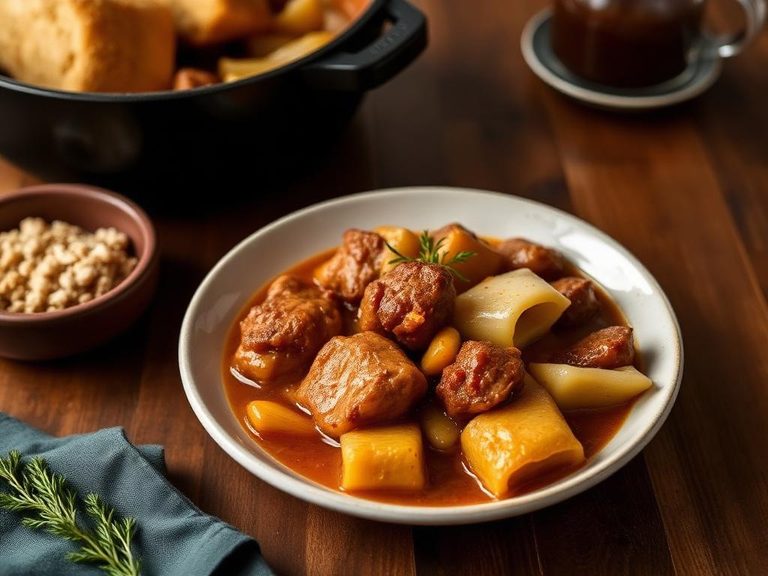
This is a hearty, richly flavored cut of pork from the shoulder blade area, braised until tender and succulent. The cooking method renders the marbling into a melt-in-your-mouth texture, creating a deeply savory, meaty flavor. It is a high-protein, zero-carb food that delivers significant energy, with over 15 grams of fat per 100g serving.
Calorie split: 43% protein · 0% carbs · 57% fat
↓ Full nutrition💚 Why it's loved
People adore this cut for its incredible tenderness and deep, porky flavor that develops during the slow braising process. It's a versatile comfort food that can be shredded for sandwiches, sliced for platters, or served as the centerpiece of a hearty meal.
⚠️ Watch-outs & how to enjoy it better
The high fat content (15.71g per 100g) can be a concern for those monitoring saturated fat intake or calorie density. To counteract this, practice portion control (stick to the recommended serving size) and pair it with fiber-rich, non-starchy vegetables like roasted broccoli or a vinegar-based slaw to balance the meal.
Key benefits
- Excellent source of complete protein for muscle maintenance and satiety
- Rich in B vitamins, particularly thiamine (B1) and niacin (B3), essential for energy metabolism
- Provides essential minerals like selenium and phosphorus
- Braising makes the connective tissue digestible and tender
- Zero carbohydrates, making it suitable for low-carb and ketogenic diets
🍽️ Popular dishes
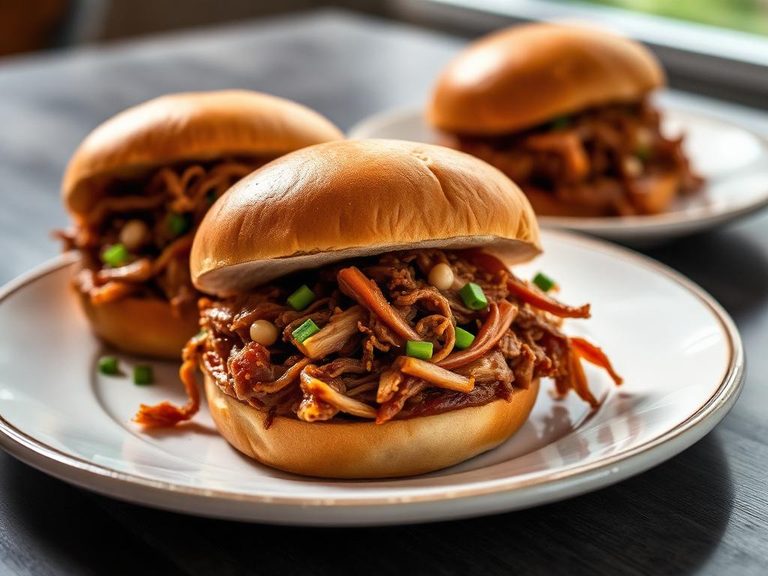
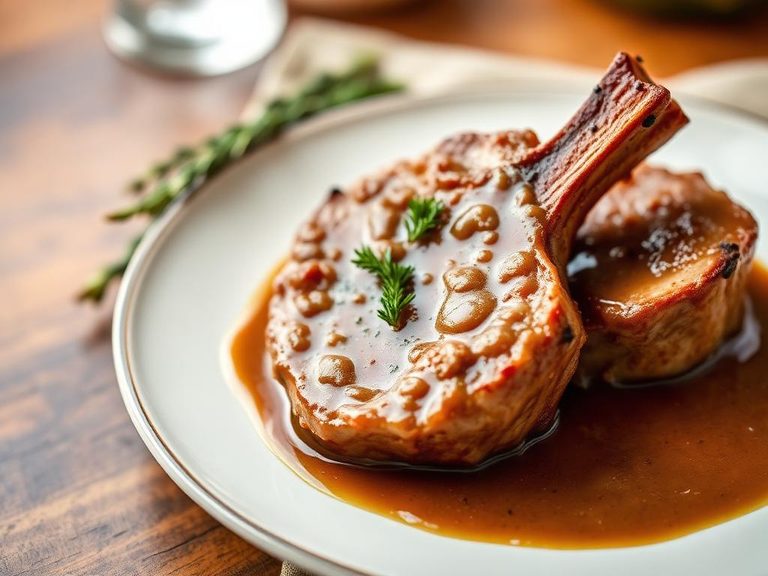
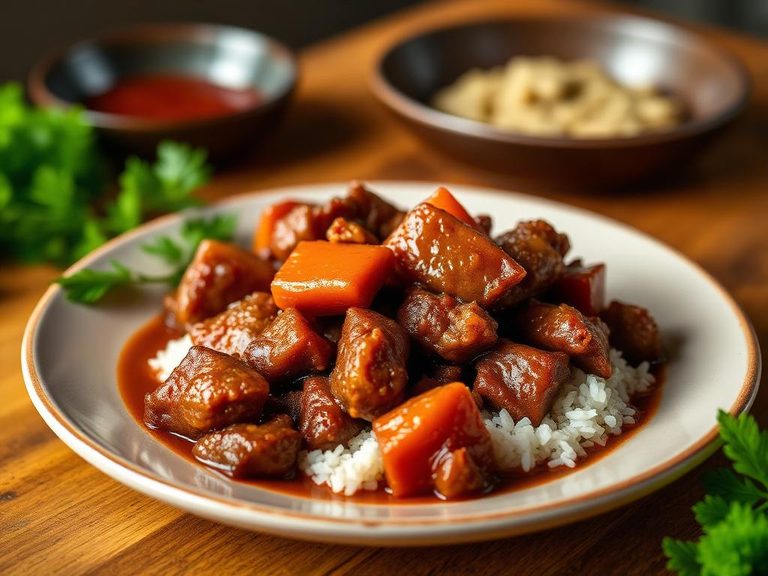
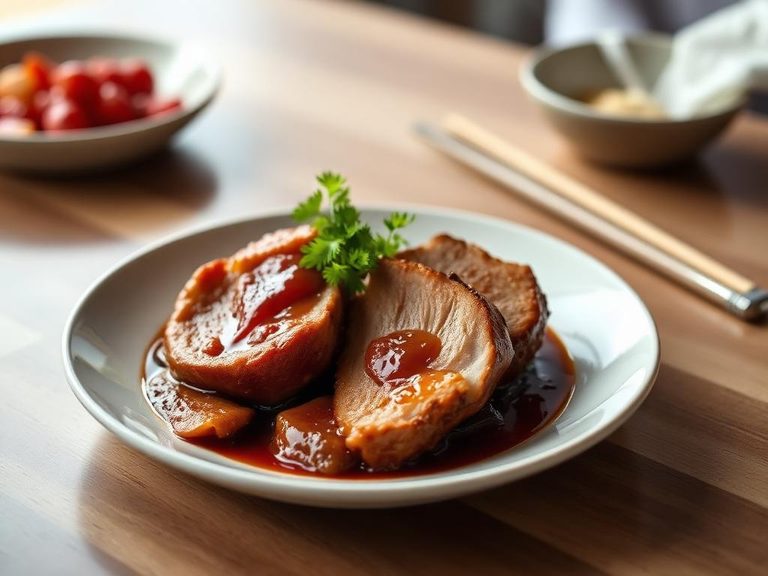

🌍 Where it's eaten
💡 Did you know?
The 'blade' in the name refers to the scapula or shoulder blade bone that runs through this cut, which helps keep the meat moist during long cooking times and adds flavor to the braising liquid.
Full nutrition (USDA data · scales with serving)
| Water | 57.3 g |
| Energy | 255 kcal |
| Energy | 1067 kj |
| Protein | 26.5 g |
| Total lipid (fat) | 15.7 g |
| Ash | 1.1 g |
| Carbohydrate, by difference | 0.00 g |
| Fiber, total dietary | 0.00 g |
| Total Sugars | 0.00 g |
| Calcium, Ca | 51.0 mg |
| Iron, Fe | 0.81 mg |
| Magnesium, Mg | 19.0 mg |
| Phosphorus, P | 213 mg |
| Potassium, K | 259 mg |
| Sodium, Na | 69.0 mg |
| Zinc, Zn | 3.1 mg |
| Copper, Cu | 0.10 mg |
| Manganese, Mn | 0.01 mg |
| Selenium, Se | 41.8 ug |
| Vitamin C, total ascorbic acid | 0.00 mg |
| Thiamin | 0.49 mg |
| Riboflavin | 0.32 mg |
| Niacin | 7.4 mg |
| Pantothenic acid | 0.94 mg |
| Vitamin B-6 | 0.49 mg |
| Folate, total | 0.00 ug |
| Folic acid | 0.00 ug |
| Folate, food | 0.00 ug |
| Folate, DFE | 0.00 ug |
| Choline, total | 81.4 mg |
| Betaine | 3.2 mg |
| Vitamin B-12 | 0.62 ug |
| Vitamin B-12, added | 0.00 ug |
| Vitamin A, RAE | 4.0 ug |
| Retinol | 4.0 ug |
| Carotene, beta | 0.00 ug |
| Carotene, alpha | 0.00 ug |
| Cryptoxanthin, beta | 0.00 ug |
| Vitamin A, IU | 13.0 iu |
| Lycopene | 0.00 ug |
| Lutein + zeaxanthin | 0.00 ug |
| Vitamin E (alpha-tocopherol) | 0.20 mg |
| Vitamin E, added | 0.00 mg |
| Vitamin D (D2 + D3), International Units | 39.0 iu |
| Vitamin D (D2 + D3) | 1.0 ug |
| Vitamin D3 (cholecalciferol) | 1.0 ug |
| Vitamin K (phylloquinone) | 0.00 ug |
| Vitamin K (Dihydrophylloquinone) | 0.00 ug |
| Alcohol, ethyl | 0.00 g |
| Caffeine | 0.00 mg |
| Theobromine | 0.00 mg |
Fat & fatty acid profile (per 100g)
| Fatty acids, total saturated | 4.5 g |
| SFA 4:0 | 0.00 g |
| SFA 6:0 | 0.00 g |
| SFA 8:0 | 0.00 g |
| SFA 10:0 | 0.01 g |
| SFA 12:0 | 0.01 g |
| SFA 14:0 | 0.16 g |
| SFA 15:0 | 0.01 g |
| SFA 16:0 | 2.7 g |
| SFA 17:0 | 0.04 g |
| SFA 18:0 | 1.5 g |
| SFA 20:0 | 0.02 g |
| SFA 22:0 | 0.00 g |
| SFA 24:0 | 0.00 g |
| Fatty acids, total monounsaturated | 5.1 g |
| MUFA 14:1 | 0.00 g |
| MUFA 15:1 | 0.00 g |
| MUFA 16:1 | 0.26 g |
| MUFA 17:1 | 0.00 g |
| MUFA 18:1 | 4.7 g |
| MUFA 18:1 c | 4.7 g |
| MUFA 20:1 | 0.08 g |
| MUFA 22:1 | 0.00 g |
| MUFA 22:1 c | 0.00 g |
| Fatty acids, total polyunsaturated | 1.9 g |
| PUFA 18:2 | 1.7 g |
| PUFA 18:2 n-6 c,c | 0.88 g |
| PUFA 18:3 | 0.07 g |
| PUFA 18:3 n-3 c,c,c (ALA) | 0.07 g |
| PUFA 18:3 n-6 c,c,c | 0.00 g |
| PUFA 18:3i | 0.01 g |
| PUFA 18:4 | 0.00 g |
| PUFA 20:2 n-6 c,c | 0.07 g |
| PUFA 20:3 | 0.01 g |
| PUFA 20:4 | 0.09 g |
| PUFA 20:5 n-3 (EPA) | 0.00 g |
| PUFA 22:5 n-3 (DPA) | 0.01 g |
| PUFA 22:6 n-3 (DHA) | 0.00 g |
| Fatty acids, total trans | 0.07 g |
| Fatty acids, total trans-monoenoic | 0.05 g |
| TFA 18:1 t | 0.05 g |
| TFA 18:2 t not further defined | 0.01 g |
| Fatty acids, total trans-polyenoic | 0.01 g |
| Cholesterol | 86.0 mg |
Amino acid profile (per 100g)
| Tryptophan | 0.32 g |
| Threonine | 1.2 g |
| Isoleucine | 1.3 g |
| Leucine | 2.2 g |
| Lysine | 2.4 g |
| Methionine | 0.73 g |
| Cystine | 0.30 g |
| Phenylalanine | 1.1 g |
| Tyrosine | 1.1 g |
| Valine | 1.3 g |
| Arginine | 1.7 g |
| Histidine | 1.1 g |
| Alanine | 1.5 g |
| Aspartic acid | 2.5 g |
| Glutamic acid | 4.1 g |
| Glycine | 1.2 g |
| Proline | 1.1 g |
| Serine | 1.1 g |
| Hydroxyproline | 0.09 g |
FAQ
What's the difference between braising and other cooking methods for this cut?
Braising involves searing the meat first, then simmering it slowly in liquid (like broth, wine, or sauce) until tender. This method is ideal for blade chops because it breaks down the tough connective tissue and marbling, resulting in a moist, flavorful dish. Other methods like grilling or pan-frying can leave this cut tough and chewy.
Is this cut suitable for a low-carb or keto diet?
Yes, this cut is excellent for low-carb and keto diets because it contains 0 grams of carbohydrates and is high in protein and fat. It provides a satisfying, energy-dense meal without spiking blood sugar.
How should I store and reheat leftover braised pork?
Store leftovers in an airtight container in the refrigerator for up to 3-4 days. To reheat, gently warm it in a skillet with a splash of its braising liquid or broth to prevent drying out. You can also reheat it in the microwave at 50% power in short intervals.
Nutrient density (calculated · NRF9.3)
Nutrient Rich Foods index: beneficial nutrients (protein, fiber, vitamins, minerals) minus saturated fat, added sugar & sodium, per 100 kcal.
NRF9.3 index — Fulgoni, Keast & Drewnowski, 2009. Computed from USDA nutrients.
Weight-loss friendliness (composite index)
Energy density 2.55 kcal/g · 42% calories from protein · 0.0 g fiber · 0.0 g sugar per 100 g.
Composite of energy density (Rolls et al., 1999), protein & fiber satiety, minus sugar. A calculated heuristic — ranks satiety-per-calorie, not a clinical measure.
Dietary load (calculated from USDA values)
Potential renal acid load. Positive = acid-forming, negative = alkaline-forming.
Sodium-to-potassium ratio: 0.27 (lower is better — aim for ≤ 1)
Sodium:potassium per WHO potassium guidance. Computed from USDA nutrients.