

Fish, Salmon, Chum, raw (Alaska Native)
Whole food · American Indian/Alaska Native Foods

Photo: Wikipedia
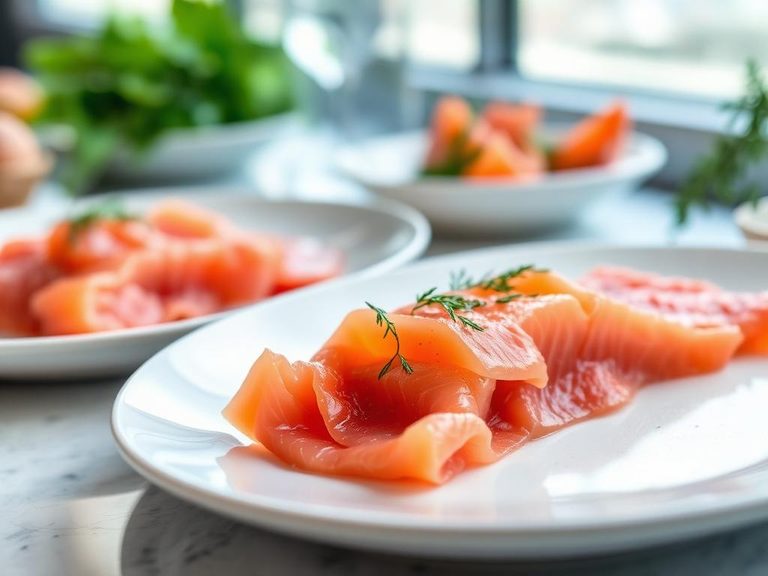
Chum salmon, also known as dog salmon, is a wild Pacific species prized for its firm, meaty texture and robust, distinctly salmon flavor. Its flesh ranges from deep red to pale pink, and it's notably lean, making it a powerhouse of high-quality protein with minimal fat. This is a staple fish for Alaska Native communities, often dried or smoked for preservation.
Calorie split: 71% protein · 0% carbs · 29% fat
↓ Full nutrition💚 Why it's loved
People love chum salmon for its bold, unmistakable salmon taste and satisfyingly firm texture that holds up well to grilling, smoking, or curing. It's deeply woven into the cultural and subsistence traditions of Pacific Northwest and Alaskan Indigenous peoples, valued for its reliability as a seasonal harvest.
⚠️ Watch-outs & how to enjoy it better
Due to its leanness, chum salmon can dry out quickly if overcooked, leading to a chalky texture. As a common fish allergen, it must be avoided by those with fish allergies. To counteract dryness, use moist-heat cooking methods like poaching or bake it with a glaze or sauce; for allergies, strict avoidance and cross-contamination prevention are essential.
Key benefits
- Excellent source of complete protein (20.69g per 100g)
- Very low in fat and calories (116 kcal, 3.67g fat per 100g)
- Rich in essential omega-3 fatty acids (EPA & DHA)
- Good source of B vitamins (especially B12 and niacin)
- Contains important minerals like selenium and phosphorus
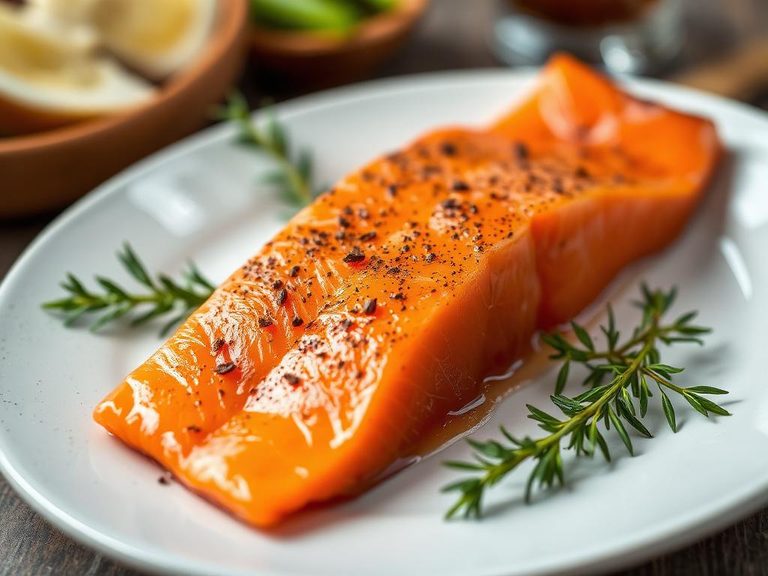
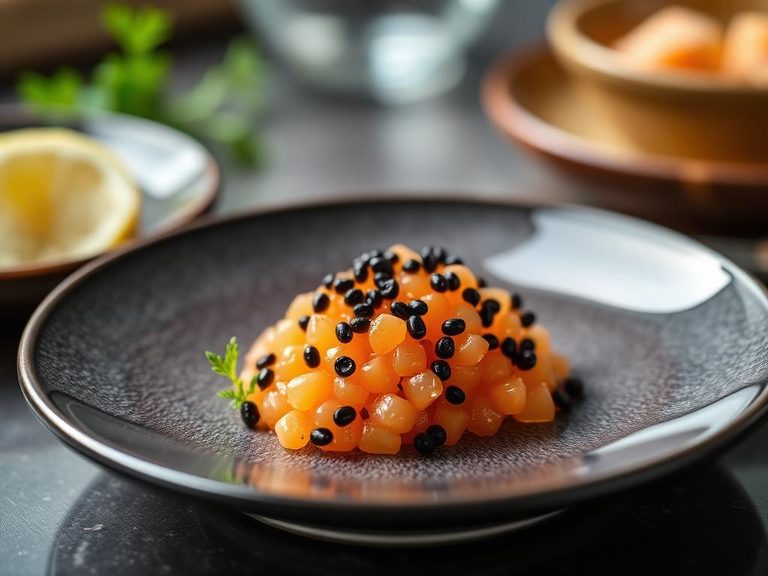
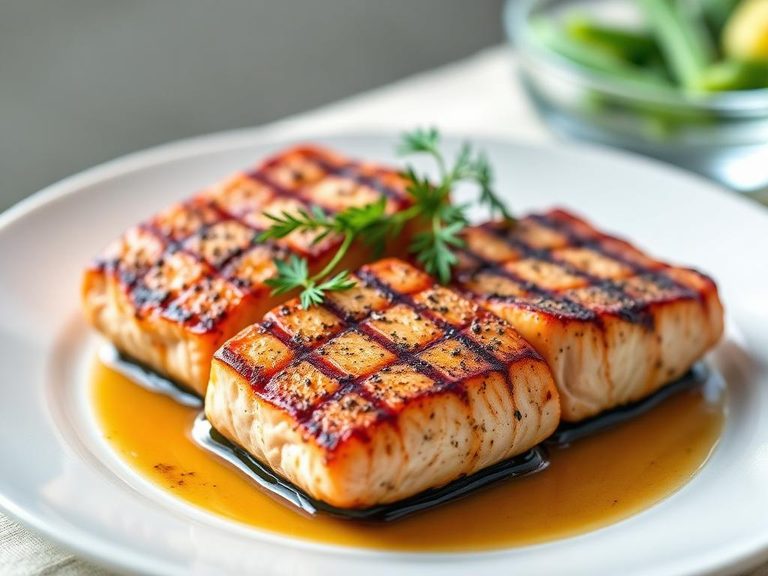
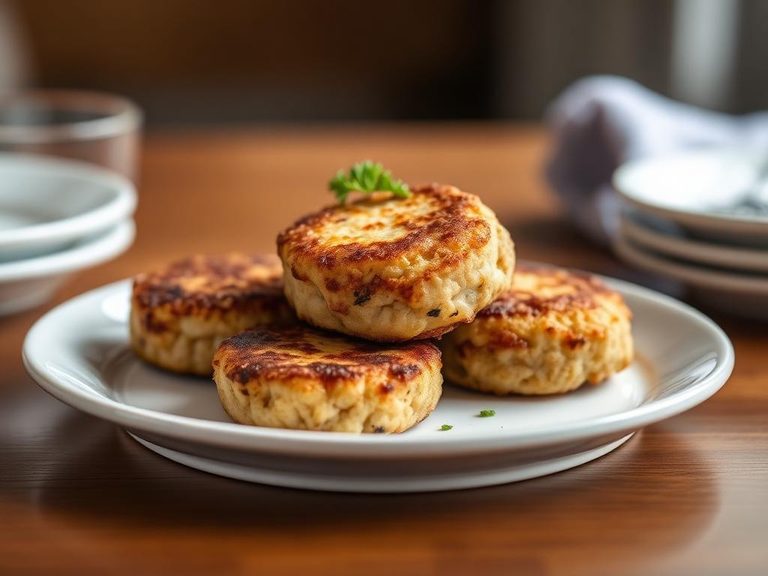
🍽️ Popular dishes
🌍 Where it's eaten
💡 Did you know?
Chum salmon are nicknamed 'dog salmon' because their large, canine-like teeth that develop during spawning were historically used by Indigenous peoples to feed sled dogs.
Full nutrition (USDA data · scales with serving)
| Water | 72.3 g |
| Energy | 116 kcal |
| Energy | 484 kj |
| Protein | 20.7 g |
| Total lipid (fat) | 3.7 g |
| Ash | 1.3 g |
| Carbohydrate, by difference | 0.00 g |
| Fiber, total dietary | 0.00 g |
| Total Sugars | 0.00 g |
| Sucrose | 0.00 g |
| Glucose | 0.00 g |
| Fructose | 0.00 g |
| Lactose | 0.00 g |
| Maltose | 0.00 g |
| Galactose | 0.00 g |
| Starch | 0.00 g |
| Calcium, Ca | 7.0 mg |
| Iron, Fe | 0.56 mg |
| Magnesium, Mg | 26.0 mg |
| Phosphorus, P | 230 mg |
| Potassium, K | 370 mg |
| Sodium, Na | 59.0 mg |
| Zinc, Zn | 0.54 mg |
| Copper, Cu | 0.14 mg |
| Manganese, Mn | 0.03 mg |
| Selenium, Se | 39.7 ug |
| Vitamin C, total ascorbic acid | 0.00 mg |
| Thiamin | 0.16 mg |
| Riboflavin | 0.22 mg |
| Niacin | 8.8 mg |
| Pantothenic acid | 1.0 mg |
| Vitamin B-6 | 0.19 mg |
| Folate, total | 18.0 ug |
| Folic acid | 0.00 ug |
| Folate, food | 18.0 ug |
| Folate, DFE | 18.0 ug |
| Vitamin B-12 | 8.1 ug |
| Vitamin B-12, added | 0.00 ug |
| Vitamin A, RAE | 32.0 ug |
| Retinol | 32.0 ug |
| Carotene, beta | 0.00 ug |
| Carotene, alpha | 0.00 ug |
| Cryptoxanthin, beta | 0.00 ug |
| Vitamin A, IU | 105 iu |
| Lycopene | 0.00 ug |
| Lutein + zeaxanthin | 0.00 ug |
| Vitamin E (alpha-tocopherol) | 0.49 mg |
| Vitamin E, added | 0.00 mg |
| Tocopherol, beta | 0.00 mg |
| Tocopherol, gamma | 0.00 mg |
| Tocopherol, delta | 0.00 mg |
| Tocotrienol, alpha | 0.00 mg |
| Tocotrienol, beta | 0.00 mg |
| Tocotrienol, gamma | 0.00 mg |
| Tocotrienol, delta | 0.00 mg |
| Vitamin K (phylloquinone) | 0.30 ug |
| Vitamin K (Dihydrophylloquinone) | 0.00 ug |
| Alcohol, ethyl | 0.00 g |
| Caffeine | 0.00 mg |
| Theobromine | 0.00 mg |
Fat & fatty acid profile (per 100g)
| Fatty acids, total saturated | 0.55 g |
| SFA 8:0 | 0.00 g |
| SFA 10:0 | 0.00 g |
| SFA 12:0 | 0.00 g |
| SFA 14:0 | 0.14 g |
| SFA 15:0 | 0.01 g |
| SFA 16:0 | 0.30 g |
| SFA 17:0 | 0.01 g |
| SFA 18:0 | 0.08 g |
| SFA 20:0 | 0.01 g |
| SFA 22:0 | 0.00 g |
| SFA 24:0 | 0.00 g |
| Fatty acids, total monounsaturated | 0.94 g |
| MUFA 14:1 | 0.00 g |
| MUFA 15:1 | 0.00 g |
| MUFA 16:1 | 0.11 g |
| MUFA 17:1 | 0.00 g |
| MUFA 18:1 | 0.47 g |
| MUFA 20:1 | 0.17 g |
| MUFA 22:1 | 0.17 g |
| MUFA 24:1 c | 0.02 g |
| Fatty acids, total polyunsaturated | 0.77 g |
| PUFA 18:2 | 0.03 g |
| PUFA 18:3 | 0.04 g |
| PUFA 18:4 | 0.04 g |
| PUFA 20:2 n-6 c,c | 0.00 g |
| PUFA 20:3 | 0.00 g |
| PUFA 20:4 | 0.03 g |
| PUFA 20:5 n-3 (EPA) | 0.17 g |
| PUFA 21:5 | 0.00 g |
| PUFA 22:4 | 0.00 g |
| PUFA 22:5 n-3 (DPA) | 0.05 g |
| PUFA 22:6 n-3 (DHA) | 0.41 g |
| Cholesterol | 59.0 mg |
Amino acid profile (per 100g)
| Tryptophan | 0.32 g |
| Threonine | 0.92 g |
| Isoleucine | 0.92 g |
| Leucine | 1.5 g |
| Lysine | 1.7 g |
| Methionine | 0.77 g |
| Cystine | 0.30 g |
| Phenylalanine | 0.84 g |
| Tyrosine | 1.1 g |
| Valine | 1.0 g |
| Arginine | 1.1 g |
| Histidine | 0.51 g |
| Alanine | 1.2 g |
| Aspartic acid | 2.5 g |
| Glutamic acid | 2.9 g |
| Glycine | 0.90 g |
| Proline | 0.69 g |
| Serine | 0.78 g |
FAQ
What does chum salmon taste like compared to other salmon?
Chum has a stronger, more pronounced salmon flavor than sockeye or coho, with a firmer, less oily texture. Its taste is often described as robust and 'meaty.'
Is chum salmon good for you?
Yes, it's highly nutritious, offering a superb lean protein source and beneficial omega-3s, while being low in calories and fat.
How should I cook chum salmon to keep it from drying out?
Avoid overcooking. Try poaching, baking in a foil packet with vegetables, or using a flavorful glaze or marinade. Cooking to an internal temperature of 145°F (63°C) is recommended.
Nutrient density (calculated · NRF9.3)
Nutrient Rich Foods index: beneficial nutrients (protein, fiber, vitamins, minerals) minus saturated fat, added sugar & sodium, per 100 kcal.
NRF9.3 index — Fulgoni, Keast & Drewnowski, 2009. Computed from USDA nutrients.
Weight-loss friendliness (composite index)
Energy density 1.16 kcal/g · 71% calories from protein · 0.0 g fiber · 0.0 g sugar per 100 g.
Composite of energy density (Rolls et al., 1999), protein & fiber satiety, minus sugar. A calculated heuristic — ranks satiety-per-calorie, not a clinical measure.
Dietary load (calculated from USDA values)
Potential renal acid load. Positive = acid-forming, negative = alkaline-forming.
Sodium-to-potassium ratio: 0.16 (lower is better — aim for ≤ 1)
Sodium:potassium per WHO potassium guidance. Computed from USDA nutrients.