

Egg, yolk, raw, fresh
Whole food · Dairy and Egg Products
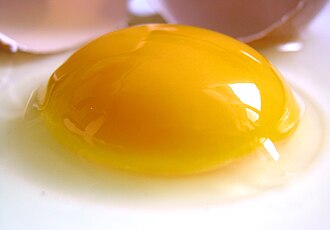
Photo: Wikipedia
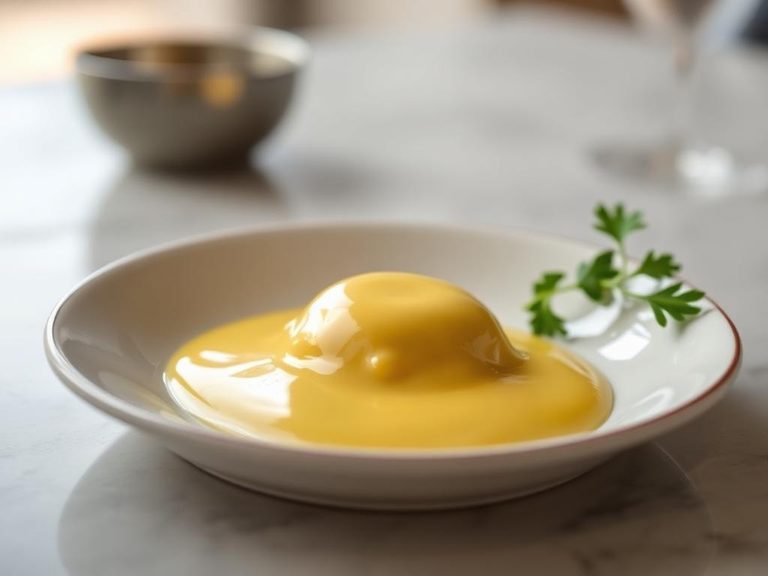
The raw egg yolk is a vibrant, golden orb of concentrated nutrition, prized for its rich, creamy, and slightly sweet flavor with a luxuriously smooth, almost custard-like texture. It is a powerhouse of healthy fats and high-quality protein, serving as the primary source of an egg's vitamins A, D, E, and K, as well as choline and lutein.
Calorie split: 20% protein · 5% carbs · 75% fat
↓ Full nutrition💚 Why it's loved
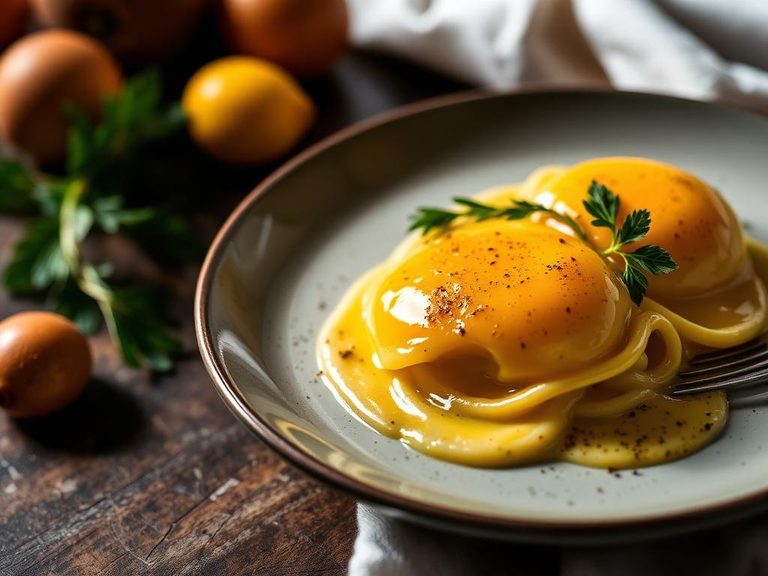
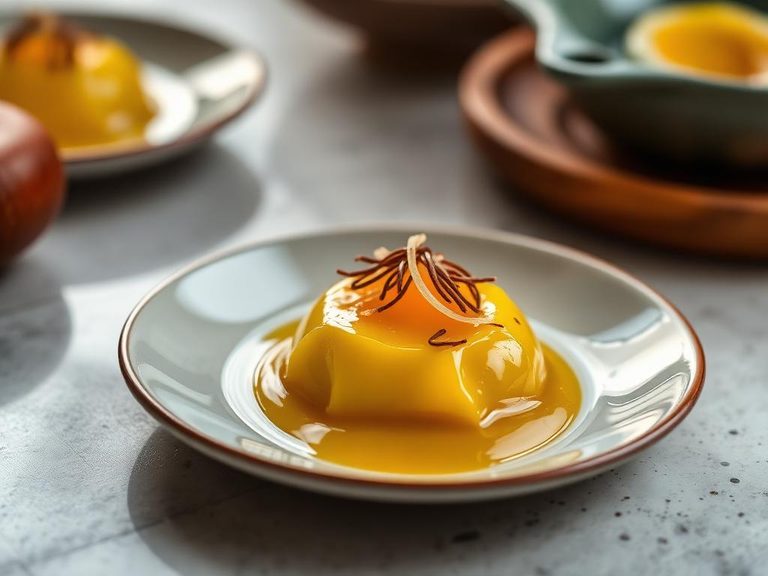
People love it for its unparalleled richness and velvety mouthfeel, which can elevate and bind sauces, custards, and baked goods. It's a cornerstone of culinary tradition, symbolizing richness and celebration in dishes from mayonnaise to pasta carbonara.
⚠️ Watch-outs & how to enjoy it better
As a common food allergen, it should be avoided by those with egg allergies. Its high fat and cholesterol content means individuals with specific heart conditions or dietary restrictions may need to monitor intake. To mitigate, pair it with fiber-rich vegetables or whole grains to balance a meal, and practice portion control within a varied diet.
Key benefits
- Excellent source of choline, vital for brain and liver health.
- Rich in fat-soluble vitamins A, D, E, and K.
- Contains lutein and zeaxanthin, antioxidants for eye health.
- Provides high-quality, complete protein.
- Naturally contains healthy monounsaturated and polyunsaturated fats.
🍽️ Popular dishes
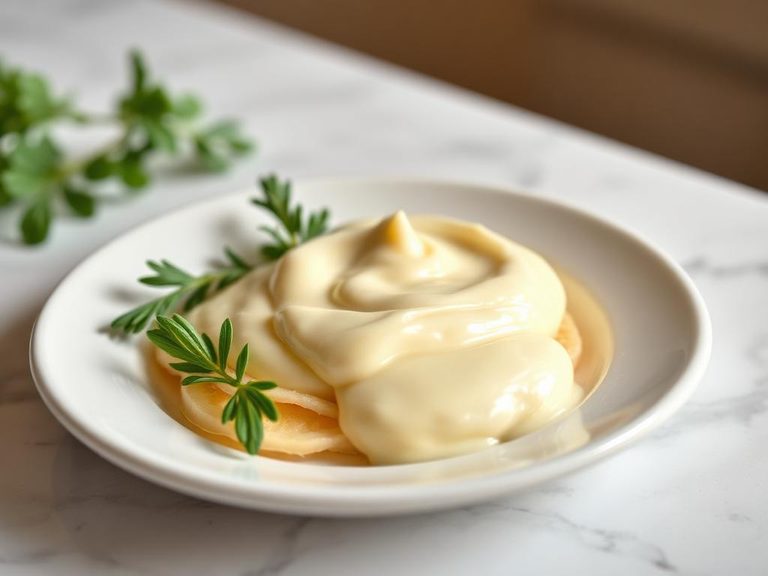
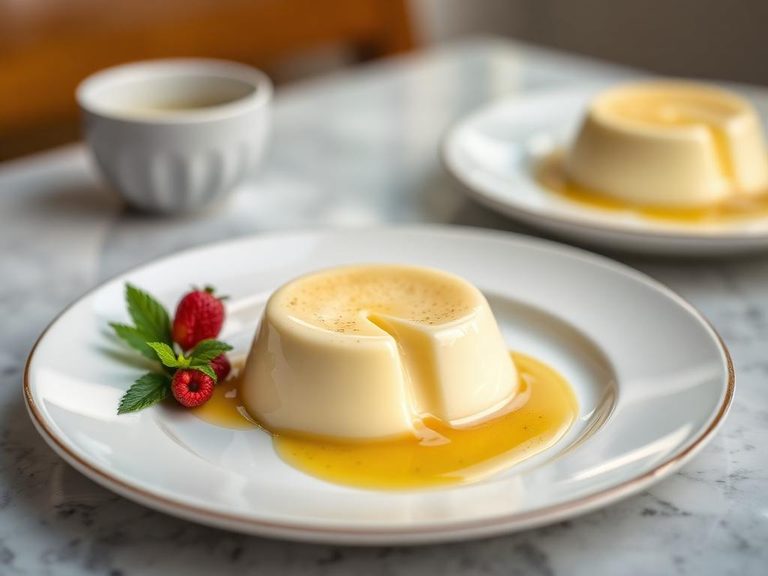
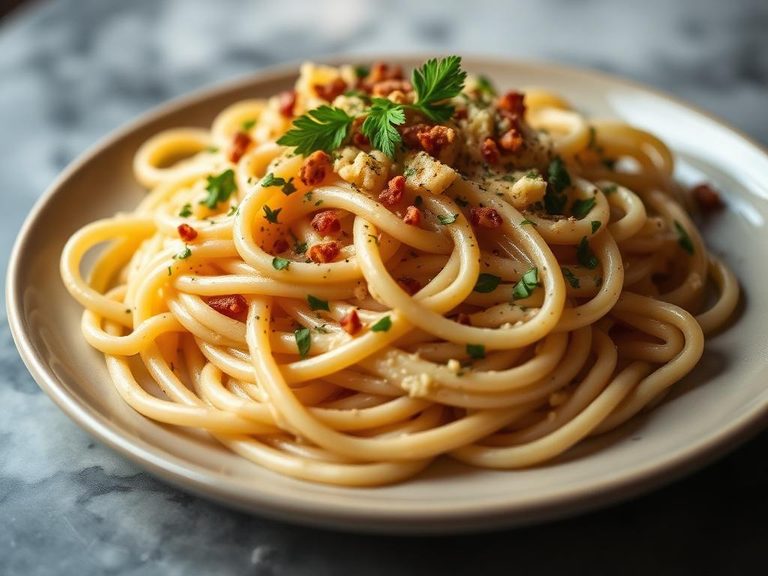
🌍 Where it's eaten
💡 Did you know?
A single egg yolk contains about 3 milligrams of choline, which is roughly 6% of the recommended daily intake for adults and is a critical nutrient for memory and cognitive function.
Full nutrition (USDA data · scales with serving)
| Water | 52.3 g |
| Energy | 322 kcal |
| Energy | 1346 kj |
| Protein | 15.9 g |
| Total lipid (fat) | 26.5 g |
| Ash | 1.7 g |
| Carbohydrate, by difference | 3.6 g |
| Fiber, total dietary | 0.00 g |
| Total Sugars | 0.56 g |
| Sucrose | 0.07 g |
| Glucose | 0.18 g |
| Fructose | 0.07 g |
| Lactose | 0.07 g |
| Maltose | 0.07 g |
| Galactose | 0.07 g |
| Calcium, Ca | 129 mg |
| Iron, Fe | 2.7 mg |
| Magnesium, Mg | 5.0 mg |
| Phosphorus, P | 390 mg |
| Potassium, K | 109 mg |
| Sodium, Na | 48.0 mg |
| Zinc, Zn | 2.3 mg |
| Copper, Cu | 0.08 mg |
| Manganese, Mn | 0.06 mg |
| Selenium, Se | 56.0 ug |
| Vitamin C, total ascorbic acid | 0.00 mg |
| Thiamin | 0.18 mg |
| Riboflavin | 0.53 mg |
| Niacin | 0.02 mg |
| Pantothenic acid | 3.0 mg |
| Vitamin B-6 | 0.35 mg |
| Folate, total | 146 ug |
| Folic acid | 0.00 ug |
| Folate, food | 146 ug |
| Folate, DFE | 146 ug |
| Choline, total | 820 mg |
| Betaine | 0.90 mg |
| Vitamin B-12 | 1.9 ug |
| Vitamin B-12, added | 0.00 ug |
| Vitamin A, RAE | 381 ug |
| Retinol | 371 ug |
| Carotene, beta | 88.0 ug |
| Carotene, alpha | 38.0 ug |
| Cryptoxanthin, beta | 33.0 ug |
| Vitamin A, IU | 1442 iu |
| Lycopene | 0.00 ug |
| Lutein + zeaxanthin | 1094 ug |
| Vitamin E (alpha-tocopherol) | 2.6 mg |
| Vitamin E, added | 0.00 mg |
| Tocopherol, beta | 0.05 mg |
| Tocopherol, gamma | 1.3 mg |
| Tocopherol, delta | 0.06 mg |
| Tocotrienol, alpha | 0.03 mg |
| Tocotrienol, beta | 0.00 mg |
| Tocotrienol, gamma | 0.00 mg |
| Tocotrienol, delta | 0.00 mg |
| Vitamin D (D2 + D3), International Units | 218 iu |
| Vitamin D (D2 + D3) | 5.4 ug |
| Vitamin D3 (cholecalciferol) | 5.4 ug |
| Vitamin K (phylloquinone) | 0.70 ug |
| Vitamin K (Dihydrophylloquinone) | 0.10 ug |
| Alcohol, ethyl | 0.00 g |
| Caffeine | 0.00 mg |
| Theobromine | 0.00 mg |
Fat & fatty acid profile (per 100g)
| Fatty acids, total saturated | 9.6 g |
| SFA 4:0 | 0.00 g |
| SFA 6:0 | 0.00 g |
| SFA 8:0 | 0.01 g |
| SFA 10:0 | 0.01 g |
| SFA 12:0 | 0.01 g |
| SFA 14:0 | 0.10 g |
| SFA 15:0 | 0.01 g |
| SFA 16:0 | 6.9 g |
| SFA 17:0 | 0.05 g |
| SFA 18:0 | 2.4 g |
| SFA 20:0 | 0.03 g |
| SFA 22:0 | 0.04 g |
| SFA 24:0 | 0.01 g |
| Fatty acids, total monounsaturated | 11.7 g |
| MUFA 14:1 | 0.02 g |
| MUFA 16:1 | 0.92 g |
| MUFA 18:1 | 10.7 g |
| MUFA 20:1 | 0.09 g |
| MUFA 22:1 | 0.01 g |
| Fatty acids, total polyunsaturated | 4.2 g |
| PUFA 18:2 | 3.5 g |
| PUFA 18:3 | 0.10 g |
| PUFA 18:4 | 0.00 g |
| PUFA 20:4 | 0.44 g |
| PUFA 20:5 n-3 (EPA) | 0.01 g |
| PUFA 22:5 n-3 (DPA) | 0.00 g |
| PUFA 22:6 n-3 (DHA) | 0.11 g |
| Cholesterol | 1085 mg |
Amino acid profile (per 100g)
| Tryptophan | 0.18 g |
| Threonine | 0.69 g |
| Isoleucine | 0.87 g |
| Leucine | 1.4 g |
| Lysine | 1.2 g |
| Methionine | 0.38 g |
| Cystine | 0.26 g |
| Phenylalanine | 0.68 g |
| Tyrosine | 0.68 g |
| Valine | 0.95 g |
| Arginine | 1.1 g |
| Histidine | 0.42 g |
| Alanine | 0.84 g |
| Aspartic acid | 1.6 g |
| Glutamic acid | 2.0 g |
| Glycine | 0.49 g |
| Proline | 0.65 g |
| Serine | 1.3 g |
FAQ
Is it safe to eat raw egg yolk?
For most healthy individuals, yes, especially if using pasteurized eggs. The risk of Salmonella is low but present with raw, unpasteurized eggs. Cooking to 160°F (71°C) eliminates this risk.
How does the nutrition differ from the whole egg?
The yolk contains almost all of the egg's fat, cholesterol, and fat-soluble vitamins. The white is primarily protein and water. Eating only the yolk means missing out on the white's protein and lowers the overall protein-to-fat ratio.
Can I freeze raw egg yolks?
Yes, but they become gel-like. Whisk in a pinch of salt or sugar (per 6 yolks) before freezing to maintain a usable texture for cooking and baking.
Nutrient density (calculated · NRF9.3)
Nutrient Rich Foods index: beneficial nutrients (protein, fiber, vitamins, minerals) minus saturated fat, added sugar & sodium, per 100 kcal.
NRF9.3 index — Fulgoni, Keast & Drewnowski, 2009. Computed from USDA nutrients.
Weight-loss friendliness (composite index)
Energy density 3.22 kcal/g · 20% calories from protein · 0.0 g fiber · 0.6 g sugar per 100 g.
Composite of energy density (Rolls et al., 1999), protein & fiber satiety, minus sugar. A calculated heuristic — ranks satiety-per-calorie, not a clinical measure.
Dietary load (calculated from USDA values)
Potential renal acid load. Positive = acid-forming, negative = alkaline-forming.
Sodium-to-potassium ratio: 0.44 (lower is better — aim for ≤ 1)
Sodium:potassium per WHO potassium guidance. Computed from USDA nutrients.