

Bread, gluten-free, white, made with tapioca starch and brown rice flour
Whole food · Baked Products
This is a soft, spongy white bread made from a blend of tapioca starch and brown rice flour, designed to mimic the texture of traditional wheat bread without any gluten. It has a mild, slightly sweet flavor and a tender, chewy crumb that holds up well for sandwiches and toast. Nutritionally, it's a moderate-energy food, primarily providing carbohydrates for quick fuel, with a modest amount of fiber and protein.
Calorie split: 7% protein · 69% carbs · 24% fat
↓ Full nutrition💚 Why it's loved
People love it for its remarkably close texture to conventional white bread, making it a comforting staple for those who must avoid gluten. Its mild flavor makes it an incredibly versatile canvas for everything from avocado toast to peanut butter sandwiches.
⚠️ Watch-outs & how to enjoy it better
The high carbohydrate content (51g per 100g) and relatively low protein can lead to quicker blood sugar spikes compared to higher-protein breads. It's also a processed product that may contain additives. To counteract this, pair it with a source of protein (like eggs or cheese) or healthy fat (like avocado or nut butter) to slow digestion and promote satiety.
Key benefits
- Naturally gluten-free, suitable for those with celiac disease or gluten sensitivity.
- Made with whole-grain brown rice flour, offering more nutrients than refined white rice flour.
- Good source of dietary fiber (5.5g per 100g) for digestive health.
- Provides quick-release carbohydrates for immediate energy.
- Versatile base for both sweet and savory meals.
🍽️ Popular dishes
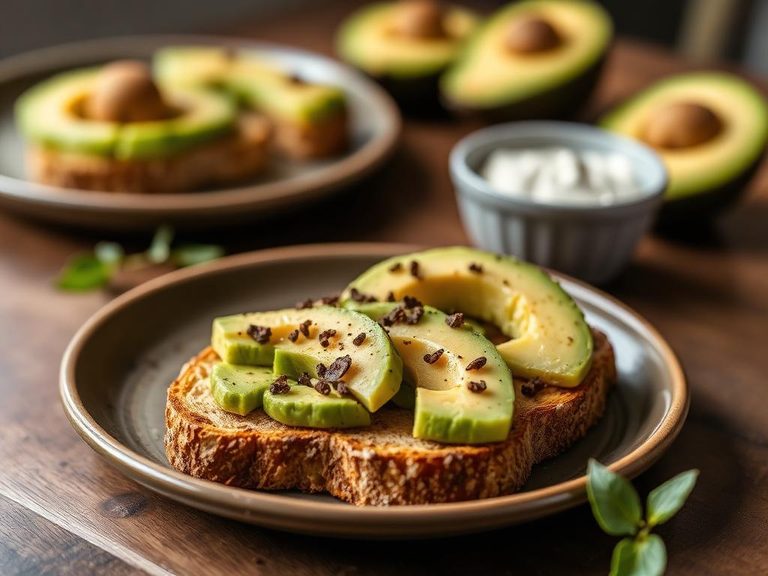
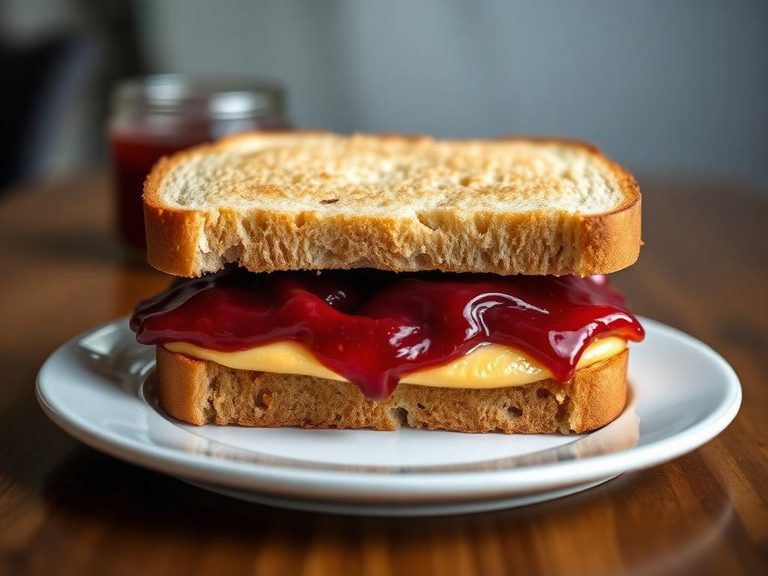


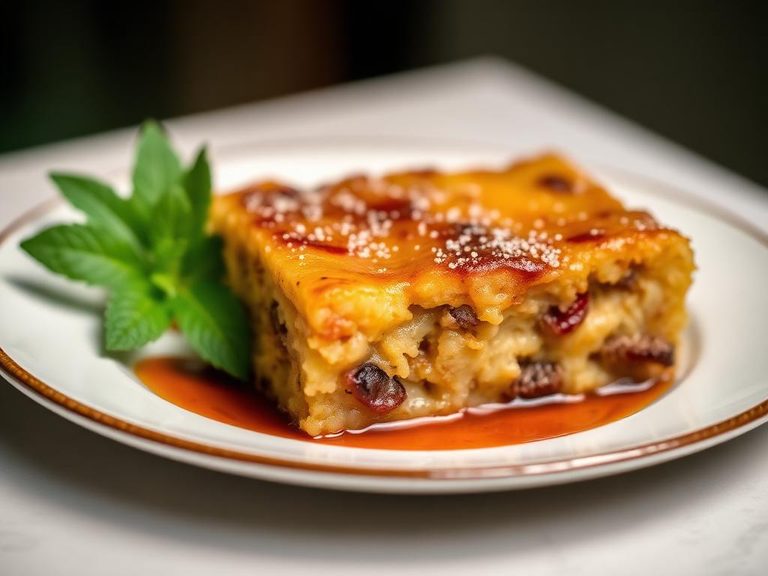
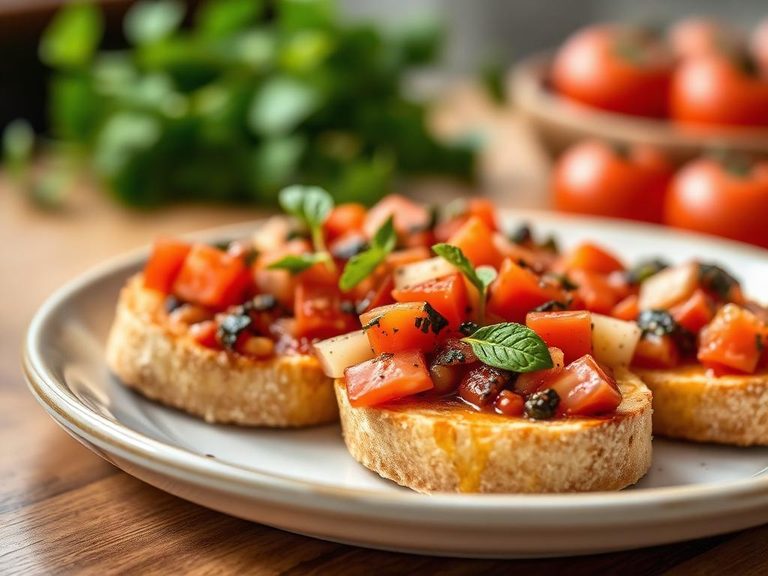
🌍 Where it's eaten
💡 Did you know?
Tapioca starch, a key ingredient, is derived from cassava root and is prized in gluten-free baking for creating a chewy, elastic texture that mimics gluten's binding properties.
Full nutrition (USDA data · scales with serving)
| Water | 33.7 g |
| Energy | 298 kcal |
| Energy | 1248 kj |
| Protein | 5.4 g |
| Total lipid (fat) | 8.0 g |
| Ash | 1.8 g |
| Carbohydrate, by difference | 51.1 g |
| Fiber, total dietary | 5.5 g |
| Total Sugars | 11.3 g |
| Sucrose | 0.00 g |
| Glucose | 1.7 g |
| Fructose | 1.5 g |
| Lactose | 0.00 g |
| Maltose | 8.1 g |
| Galactose | 0.00 g |
| Starch | 34.4 g |
| Calcium, Ca | 59.0 mg |
| Iron, Fe | 0.53 mg |
| Magnesium, Mg | 25.0 mg |
| Phosphorus, P | 70.0 mg |
| Potassium, K | 107 mg |
| Sodium, Na | 515 mg |
| Zinc, Zn | 0.51 mg |
| Copper, Cu | 0.05 mg |
| Manganese, Mn | 0.44 mg |
| Selenium, Se | 11.0 ug |
| Thiamin | 0.14 mg |
| Riboflavin | 0.27 mg |
| Niacin | 1.4 mg |
| Vitamin B-6 | 0.10 mg |
| Folate, total | 19.0 ug |
| Folate, food | 19.0 ug |
| Vitamin E (alpha-tocopherol) | 1.6 mg |
| Tocopherol, beta | 0.00 mg |
| Tocopherol, gamma | 2.8 mg |
| Tocopherol, delta | 0.00 mg |
| Tocotrienol, alpha | 0.00 mg |
| Tocotrienol, beta | 0.00 mg |
| Tocotrienol, gamma | 0.83 mg |
| Tocotrienol, delta | 0.00 mg |
Fat & fatty acid profile (per 100g)
| Fatty acids, total saturated | 0.63 g |
| SFA 4:0 | 0.00 g |
| SFA 6:0 | 0.00 g |
| SFA 8:0 | 0.00 g |
| SFA 10:0 | 0.00 g |
| SFA 12:0 | 0.01 g |
| SFA 14:0 | 0.01 g |
| SFA 15:0 | 0.00 g |
| SFA 16:0 | 0.38 g |
| SFA 17:0 | 0.01 g |
| SFA 18:0 | 0.14 g |
| SFA 20:0 | 0.04 g |
| SFA 22:0 | 0.02 g |
| SFA 24:0 | 0.01 g |
| Fatty acids, total monounsaturated | 4.7 g |
| MUFA 14:1 | 0.00 g |
| MUFA 15:1 | 0.00 g |
| MUFA 16:1 | 0.03 g |
| MUFA 16:1 c | 0.03 g |
| MUFA 17:1 | 0.01 g |
| MUFA 18:1 | 4.5 g |
| MUFA 18:1 c | 4.5 g |
| MUFA 20:1 | 0.12 g |
| MUFA 22:1 | 0.01 g |
| MUFA 22:1 c | 0.00 g |
| MUFA 24:1 c | 0.01 g |
| Fatty acids, total polyunsaturated | 2.0 g |
| PUFA 18:2 | 1.4 g |
| PUFA 18:2 n-6 c,c | 1.4 g |
| PUFA 18:2 CLAs | 0.00 g |
| PUFA 18:3 | 0.52 g |
| PUFA 18:3 n-3 c,c,c (ALA) | 0.48 g |
| PUFA 18:3 n-6 c,c,c | 0.04 g |
| PUFA 18:3i | 0.00 g |
| PUFA 18:4 | 0.00 g |
| PUFA 20:2 n-6 c,c | 0.01 g |
| PUFA 20:3 | 0.00 g |
| PUFA 20:3 n-3 | 0.00 g |
| PUFA 20:3 n-6 | 0.00 g |
| PUFA 20:4 | 0.00 g |
| PUFA 20:5 n-3 (EPA) | 0.00 g |
| PUFA 22:4 | 0.00 g |
| PUFA 22:5 n-3 (DPA) | 0.00 g |
| PUFA 22:6 n-3 (DHA) | 0.00 g |
| Fatty acids, total trans | 0.02 g |
| Fatty acids, total trans-monoenoic | 0.01 g |
| TFA 16:1 t | 0.00 g |
| TFA 18:1 t | 0.01 g |
| TFA 22:1 t | 0.00 g |
| TFA 18:2 t not further defined | 0.01 g |
| Fatty acids, total trans-polyenoic | 0.01 g |
Amino acid profile (per 100g)
| Tryptophan | 0.08 g |
| Threonine | 0.23 g |
| Isoleucine | 0.25 g |
| Leucine | 0.46 g |
| Lysine | 0.35 g |
| Methionine | 0.19 g |
| Cystine | 0.14 g |
| Phenylalanine | 0.32 g |
| Tyrosine | 0.18 g |
| Valine | 0.28 g |
| Arginine | 0.37 g |
| Histidine | 0.13 g |
| Alanine | 0.33 g |
| Aspartic acid | 0.56 g |
| Glutamic acid | 0.75 g |
| Glycine | 0.23 g |
| Proline | 0.24 g |
| Serine | 0.37 g |
| Hydroxyproline | 0.00 g |
FAQ
Is this bread suitable for a keto diet?
No. With over 51g of carbohydrates per 100g, it is far too high in carbs for a standard ketogenic diet, which typically limits net carbs to 20-50g per day.
How does it differ from regular white bread nutritionally?
It is generally higher in carbohydrates and fat, and lower in protein than standard wheat white bread. It does offer the key benefit of being gluten-free and may contain slightly more fiber from the brown rice flour.
Can I use this bread for making croutons or breadcrumbs?
Yes, but it toasts and dries differently than wheat bread. Cube it and bake at a lower temperature for a longer time to achieve crispness without burning, as the starches can brown quickly.
Nutrient density (calculated · NRF9.3)
Nutrient Rich Foods index: beneficial nutrients (protein, fiber, vitamins, minerals) minus saturated fat, added sugar & sodium, per 100 kcal.
NRF9.3 index — Fulgoni, Keast & Drewnowski, 2009. Computed from USDA nutrients.
Weight-loss friendliness (composite index)
Energy density 2.98 kcal/g · 7% calories from protein · 5.5 g fiber · 11.3 g sugar per 100 g.
Composite of energy density (Rolls et al., 1999), protein & fiber satiety, minus sugar. A calculated heuristic — ranks satiety-per-calorie, not a clinical measure.
Dietary load (calculated from USDA values)
Potential renal acid load. Positive = acid-forming, negative = alkaline-forming.
Sodium-to-potassium ratio: 4.81 (lower is better — aim for ≤ 1)
Sodium:potassium per WHO potassium guidance. Computed from USDA nutrients.