

Beef, rib eye steak/roast, boneless, lip-on, separable lean only, trimmed to 1/8" fat, select, raw
Whole food · Beef Products

Photo: Wikipedia
This is a premium, boneless cut from the rib section of the cow, prized for its rich marbling that melts into the meat during cooking. The 'lip-on' refers to a strip of fat left along the edge, which bastes the steak and adds immense flavor, while the 'select' grade indicates a leaner profile than higher marbling grades. Nutritionally, it's a powerhouse of high-quality protein with a moderate amount of fat, providing essential nutrients like iron and B vitamins without any carbohydrates.
Calorie split: 61% protein · 0% carbs · 39% fat
↓ Full nutrition💚 Why it's loved
People adore it for its robust, beefy flavor and tender, juicy texture that results from the intramuscular fat (marbling) rendering during cooking. It's a versatile centerpiece, equally at home grilled, pan-seared, or roasted, making it a go-to for both simple weeknight meals and celebratory feasts.
⚠️ Watch-outs & how to enjoy it better
While nutritious, the fat content, especially from the 'lip-on' portion, can be a concern for those monitoring saturated fat intake. To enjoy it healthily, trim the external fat cap before or after cooking to your preference, and pair it with fiber-rich vegetables like roasted broccoli or a large salad to create a more balanced meal. For those managing cholesterol, consider portion control and opting for this leaner 'select' grade over higher-marbled cuts.
Key benefits
- Excellent source of complete, high-quality protein for muscle maintenance and growth.
- Rich in bioavailable heme iron, which is crucial for oxygen transport in the blood.
- Provides essential B vitamins, particularly B12 and niacin, supporting energy metabolism.
- Contains zinc, which is important for immune function and wound healing.
- Naturally free of carbohydrates, sugars, and fiber.
🍽️ Popular dishes
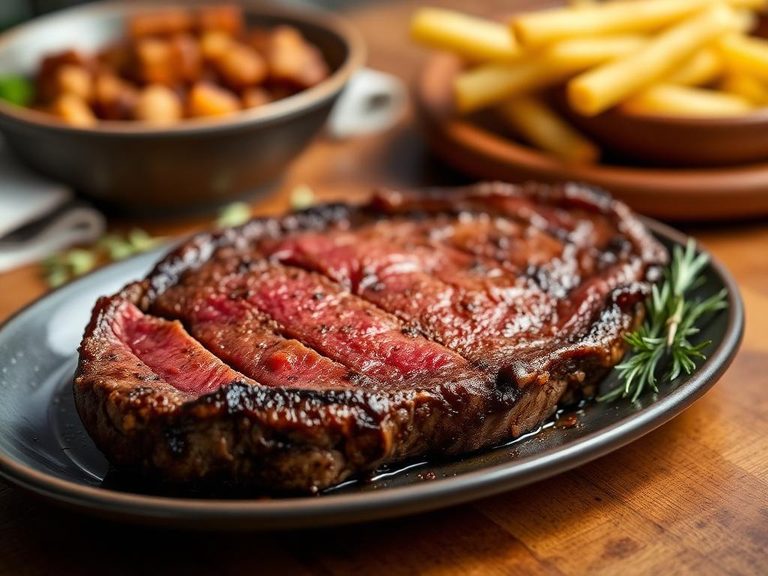
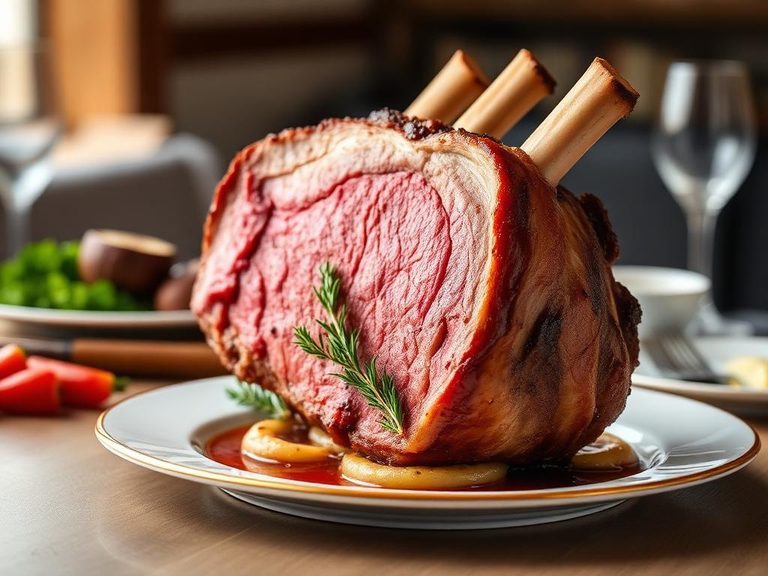
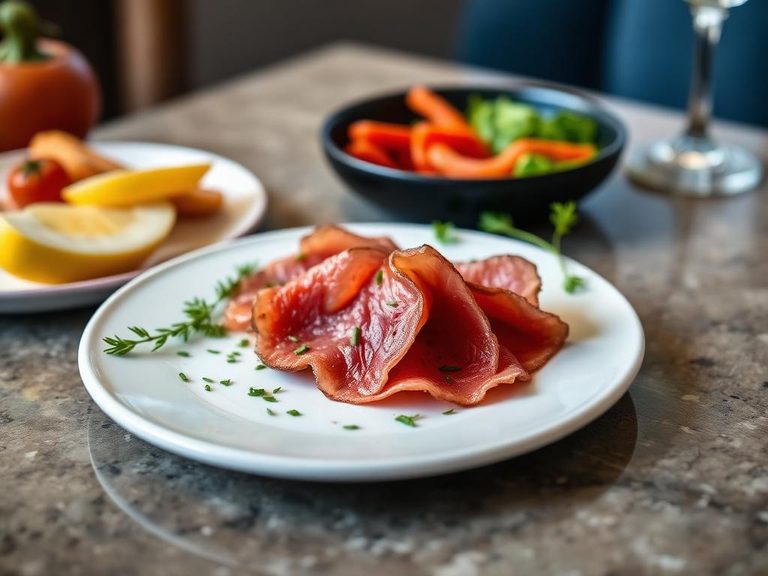
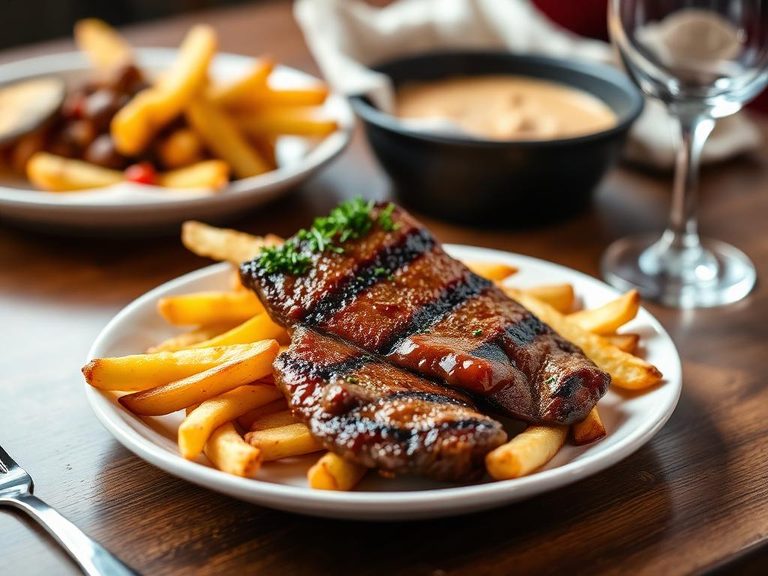
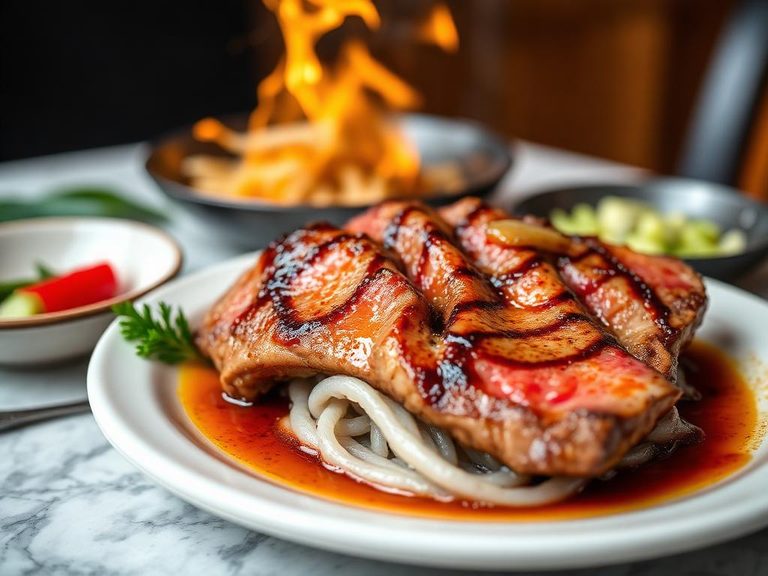
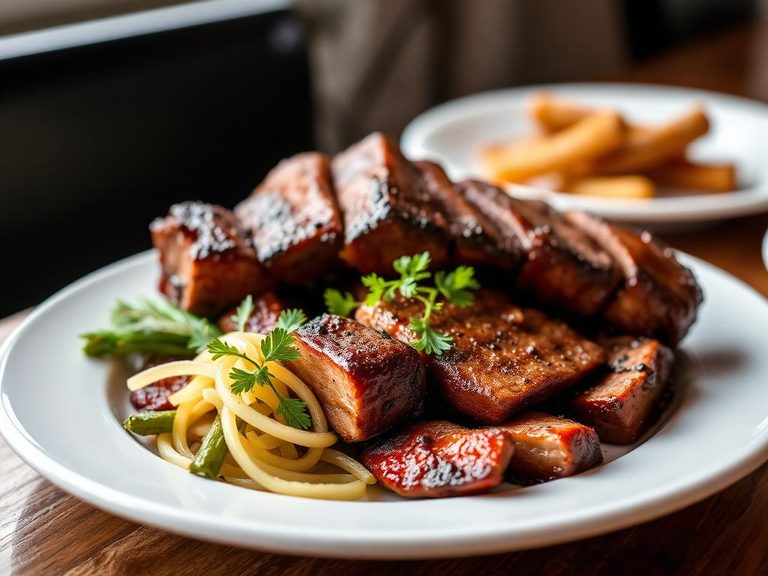
🌍 Where it's eaten
💡 Did you know?
The 'lip-on' feature is a tell-tale sign of a steak cut from the upper rib area; this specific strip of fat is sometimes called the 'spinalis dorsi' or 'ribeye cap,' and is considered by many chefs and butchers to be the single most flavorful and tender muscle on the entire animal.
Full nutrition (USDA data · scales with serving)
| Water | 70.9 g |
| Energy | 148 kcal |
| Energy | 619 kj |
| Protein | 22.6 g |
| Total lipid (fat) | 6.4 g |
| Ash | 1.0 g |
| Carbohydrate, by difference | 0.00 g |
| Fiber, total dietary | 0.00 g |
| Total Sugars | 0.00 g |
| Calcium, Ca | 5.0 mg |
| Iron, Fe | 1.8 mg |
| Magnesium, Mg | 23.0 mg |
| Phosphorus, P | 160 mg |
| Potassium, K | 297 mg |
| Sodium, Na | 55.0 mg |
| Zinc, Zn | 5.7 mg |
| Copper, Cu | 0.08 mg |
| Manganese, Mn | 0.08 mg |
| Selenium, Se | 27.0 ug |
| Vitamin C, total ascorbic acid | 0.00 mg |
| Thiamin | 0.10 mg |
| Riboflavin | 0.26 mg |
| Niacin | 5.6 mg |
| Pantothenic acid | 0.53 mg |
| Vitamin B-6 | 0.45 mg |
| Folate, total | 4.0 ug |
| Folic acid | 0.00 ug |
| Folate, food | 4.0 ug |
| Folate, DFE | 4.0 ug |
| Choline, total | 49.4 mg |
| Betaine | 13.6 mg |
| Vitamin B-12 | 1.8 ug |
| Vitamin B-12, added | 0.00 ug |
| Vitamin A, RAE | 2.0 ug |
| Retinol | 2.0 ug |
| Carotene, beta | 0.00 ug |
| Carotene, alpha | 0.00 ug |
| Cryptoxanthin, beta | 0.00 ug |
| Vitamin A, IU | 8.0 iu |
| Lycopene | 0.00 ug |
| Lutein + zeaxanthin | 0.00 ug |
| Vitamin E (alpha-tocopherol) | 0.10 mg |
| Vitamin E, added | 0.00 mg |
| Vitamin D (D2 + D3), International Units | 3.0 iu |
| Vitamin D (D2 + D3) | 0.10 ug |
| Vitamin D3 (cholecalciferol) | 0.10 ug |
| Vitamin K (phylloquinone) | 1.5 ug |
| Alcohol, ethyl | 0.00 g |
| Caffeine | 0.00 mg |
| Theobromine | 0.00 mg |
Fat & fatty acid profile (per 100g)
| Fatty acids, total saturated | 2.3 g |
| SFA 4:0 | 0.00 g |
| SFA 6:0 | 0.00 g |
| SFA 8:0 | 0.00 g |
| SFA 10:0 | 0.00 g |
| SFA 12:0 | 0.00 g |
| SFA 14:0 | 0.14 g |
| SFA 15:0 | 0.03 g |
| SFA 16:0 | 1.3 g |
| SFA 17:0 | 0.07 g |
| SFA 18:0 | 0.76 g |
| SFA 20:0 | 0.00 g |
| SFA 24:0 | 0.01 g |
| Fatty acids, total monounsaturated | 2.8 g |
| MUFA 14:1 | 0.03 g |
| MUFA 15:1 | 0.03 g |
| MUFA 16:1 | 0.18 g |
| MUFA 16:1 c | 0.17 g |
| MUFA 17:1 | 0.05 g |
| MUFA 18:1 | 2.5 g |
| MUFA 18:1 c | 2.3 g |
| MUFA 20:1 | 0.01 g |
| MUFA 22:1 | 0.00 g |
| Fatty acids, total polyunsaturated | 0.40 g |
| PUFA 18:2 | 0.31 g |
| PUFA 18:2 n-6 c,c | 0.30 g |
| PUFA 18:2 CLAs | 0.01 g |
| PUFA 18:3 | 0.00 g |
| PUFA 18:3 n-3 c,c,c (ALA) | 0.00 g |
| PUFA 18:4 | 0.00 g |
| PUFA 20:2 n-6 c,c | 0.00 g |
| PUFA 20:3 | 0.01 g |
| PUFA 20:3 n-6 | 0.01 g |
| PUFA 20:4 | 0.06 g |
| PUFA 20:5 n-3 (EPA) | 0.00 g |
| PUFA 22:5 n-3 (DPA) | 0.01 g |
| PUFA 22:6 n-3 (DHA) | 0.00 g |
| Fatty acids, total trans | 0.24 g |
| Fatty acids, total trans-monoenoic | 0.24 g |
| TFA 16:1 t | 0.01 g |
| TFA 18:1 t | 0.24 g |
| TFA 18:2 t not further defined | 0.00 g |
| Fatty acids, total trans-polyenoic | 0.00 g |
| Cholesterol | 70.0 mg |
Amino acid profile (per 100g)
| Tryptophan | 0.29 g |
| Threonine | 1.3 g |
| Isoleucine | 1.2 g |
| Leucine | 2.3 g |
| Lysine | 2.6 g |
| Methionine | 0.71 g |
| Cystine | 0.27 g |
| Phenylalanine | 1.1 g |
| Tyrosine | 1.0 g |
| Valine | 1.3 g |
| Arginine | 1.8 g |
| Histidine | 1.0 g |
| Alanine | 1.6 g |
| Aspartic acid | 2.6 g |
| Glutamic acid | 4.4 g |
| Glycine | 1.2 g |
| Proline | 1.1 g |
| Serine | 1.1 g |
| Hydroxyproline | 0.11 g |
FAQ
What does 'select' grade mean for this steak?
It's a USDA beef quality grade indicating good quality with less marbling than 'choice' or 'prime' grades. This results in a leaner, slightly firmer steak that is still flavorful but benefits from careful cooking to avoid drying out.
How should I cook a boneless, lip-on ribeye to keep it tender?
For the best results, let the steak come to room temperature, pat it dry, and season generously. Sear it in a very hot cast-iron skillet or on a grill for a deep crust, then finish cooking to your desired doneness. Letting it rest for 5-10 minutes after cooking is crucial for the juices to redistribute.
Is the 'lip-on' fat edible?
Yes, it is entirely edible and adds significant flavor and moisture during cooking. Many people enjoy eating it, but you can also trim it off before or after cooking if you prefer a leaner meal.
Nutrient density (calculated · NRF9.3)
Nutrient Rich Foods index: beneficial nutrients (protein, fiber, vitamins, minerals) minus saturated fat, added sugar & sodium, per 100 kcal.
NRF9.3 index — Fulgoni, Keast & Drewnowski, 2009. Computed from USDA nutrients.
Weight-loss friendliness (composite index)
Energy density 1.48 kcal/g · 61% calories from protein · 0.0 g fiber · 0.0 g sugar per 100 g.
Composite of energy density (Rolls et al., 1999), protein & fiber satiety, minus sugar. A calculated heuristic — ranks satiety-per-calorie, not a clinical measure.
Dietary load (calculated from USDA values)
Potential renal acid load. Positive = acid-forming, negative = alkaline-forming.
Sodium-to-potassium ratio: 0.19 (lower is better — aim for ≤ 1)
Sodium:potassium per WHO potassium guidance. Computed from USDA nutrients.