

Beef, grass-fed, ground, raw
Whole food · Beef Products

Photo: Wikipedia
Grass-fed ground beef is a lean, nutrient-dense staple with a distinctly robust, slightly mineral-rich flavor and a firm, crumbly texture when cooked. It's a powerhouse of complete protein and bioavailable iron, with a significantly lower fat content than conventional grain-fed beef. Its deep, savory taste profile makes it a favorite for those who appreciate a more complex, 'beefy' character in their meals.
Calorie split: 40% protein · 0% carbs · 60% fat
↓ Full nutrition💚 Why it's loved
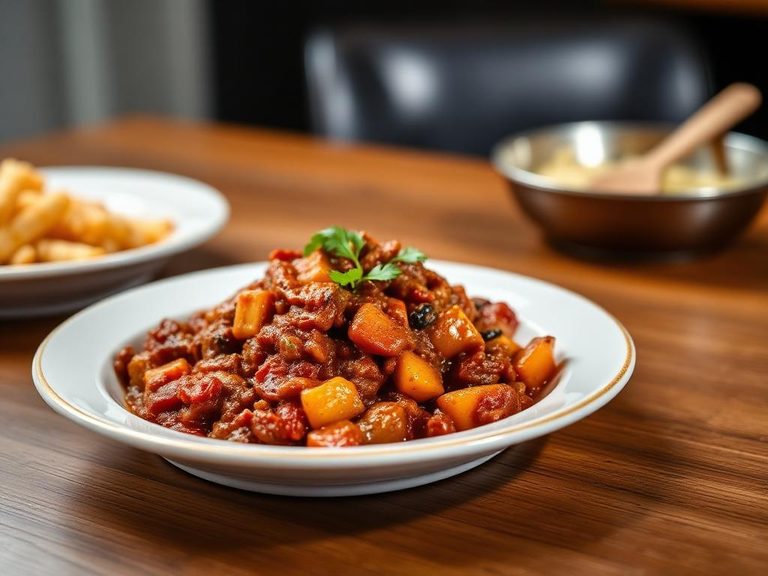
People love its clean, pronounced beef flavor that doesn't get lost in dishes, and its remarkable versatility—it's the foundation for everything from simple burgers to complex ragùs. Its lean profile also allows it to be a protein-forward centerpiece without excessive added fat.
⚠️ Watch-outs & how to enjoy it better
The very leanness that makes it healthy can lead to dry, crumbly results if overcooked, especially in high-heat methods. Those monitoring saturated fat intake should still practice portion control. To counteract dryness, cook just until no longer pink, mix with a small amount of moisture-rich ingredient like grated onion, or use it in saucy dishes like chili or bolognese.
Key benefits
- Excellent source of high-quality, complete protein for muscle maintenance.
- Rich in heme iron, which is highly absorbable and supports energy levels.
- Contains conjugated linoleic acid (CLA), a fatty acid studied for metabolic benefits.
- Typically higher in omega-3 fatty acids than grain-fed beef.
- Provides essential nutrients like zinc, vitamin B12, and selenium.
🍽️ Popular dishes
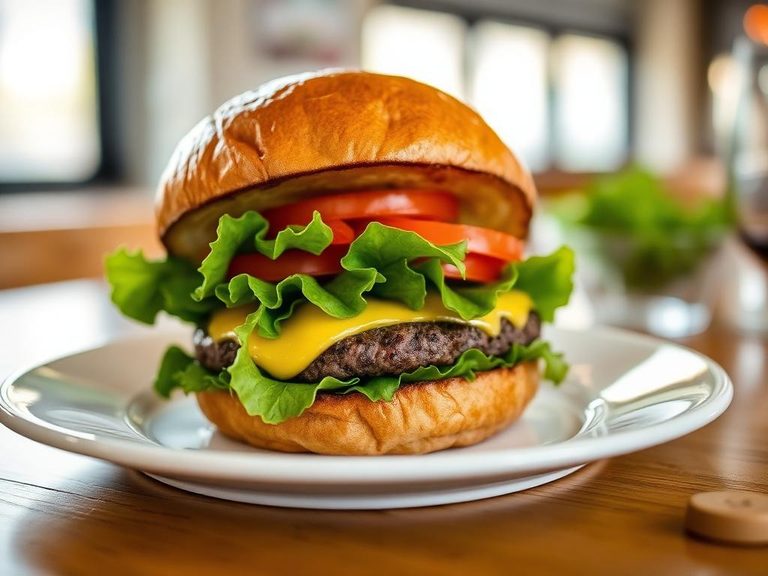
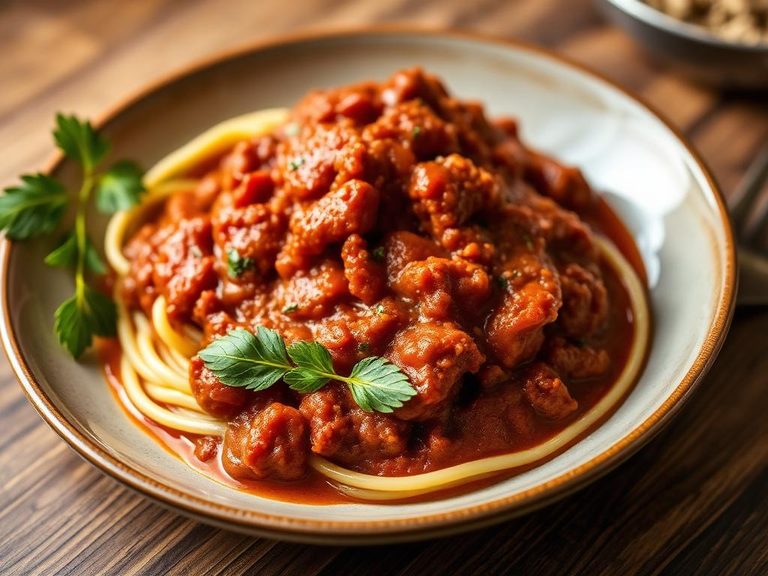
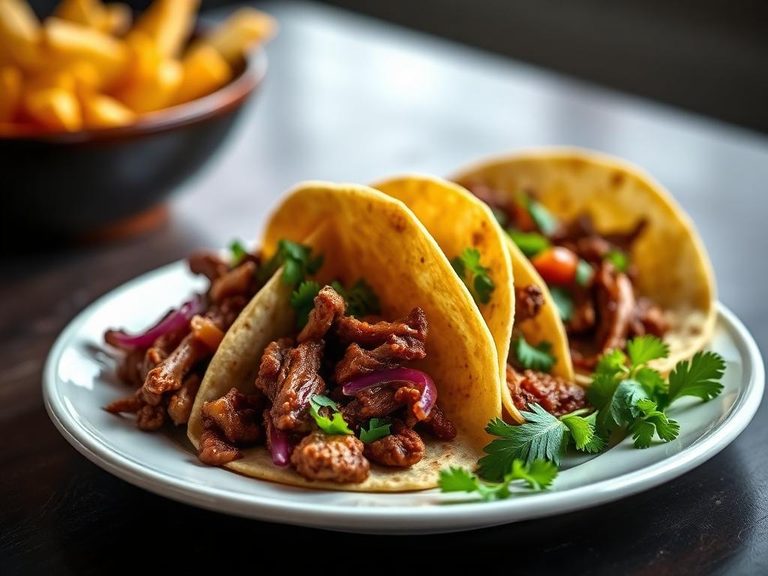
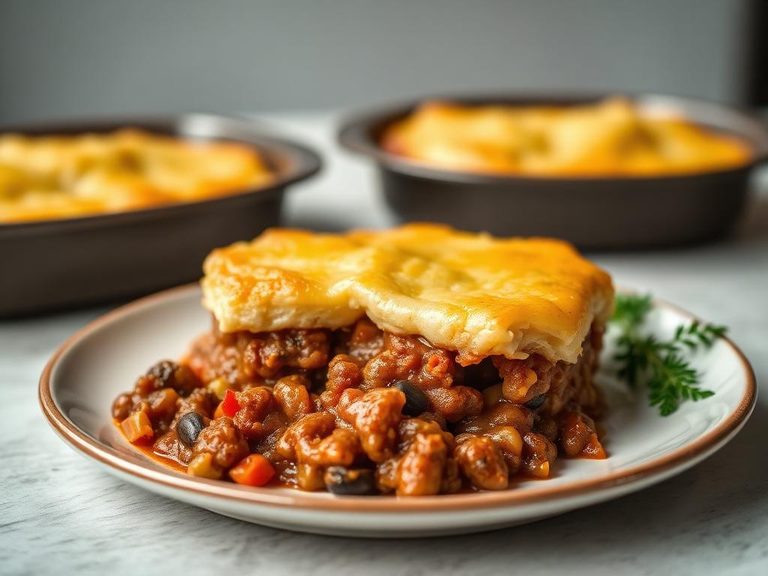
🌍 Where it's eaten
💡 Did you know?
A 100g serving of grass-fed beef can contain up to five times more omega-3 fatty acids than the same amount of grain-fed beef, a difference attributed directly to the animal's pasture-based diet.
Full nutrition (USDA data · scales with serving)
| Water | 67.1 g |
| Energy | 198 kcal |
| Energy | 828 kj |
| Protein | 19.4 g |
| Total lipid (fat) | 12.7 g |
| Ash | 1.7 g |
| Carbohydrate, by difference | 0.00 g |
| Fiber, total dietary | 0.00 g |
| Total Sugars | 0.00 g |
| Calcium, Ca | 12.0 mg |
| Iron, Fe | 2.0 mg |
| Magnesium, Mg | 19.0 mg |
| Phosphorus, P | 175 mg |
| Potassium, K | 289 mg |
| Sodium, Na | 68.0 mg |
| Zinc, Zn | 4.5 mg |
| Copper, Cu | 0.06 mg |
| Manganese, Mn | 0.01 mg |
| Selenium, Se | 14.2 ug |
| Vitamin C, total ascorbic acid | 0.00 mg |
| Thiamin | 0.05 mg |
| Riboflavin | 0.15 mg |
| Niacin | 4.8 mg |
| Pantothenic acid | 0.58 mg |
| Vitamin B-6 | 0.35 mg |
| Folate, total | 6.0 ug |
| Folic acid | 0.00 ug |
| Folate, food | 6.0 ug |
| Folate, DFE | 6.0 ug |
| Choline, total | 67.4 mg |
| Betaine | 8.0 mg |
| Vitamin B-12 | 2.0 ug |
| Vitamin B-12, added | 0.00 ug |
| Vitamin A, RAE | 0.00 ug |
| Retinol | 0.00 ug |
| Carotene, beta | 0.00 ug |
| Carotene, alpha | 0.00 ug |
| Cryptoxanthin, beta | 0.00 ug |
| Vitamin A, IU | 0.00 iu |
| Lycopene | 0.00 ug |
| Lutein + zeaxanthin | 0.00 ug |
| Vitamin E (alpha-tocopherol) | 0.35 mg |
| Vitamin E, added | 0.00 mg |
| Vitamin K (phylloquinone) | 1.1 ug |
| Alcohol, ethyl | 0.00 g |
| Caffeine | 0.00 mg |
| Theobromine | 0.00 mg |
Fat & fatty acid profile (per 100g)
| Fatty acids, total saturated | 5.3 g |
| SFA 4:0 | 0.00 g |
| SFA 6:0 | 0.00 g |
| SFA 8:0 | 0.00 g |
| SFA 10:0 | 0.01 g |
| SFA 12:0 | 0.01 g |
| SFA 14:0 | 0.34 g |
| SFA 15:0 | 0.08 g |
| SFA 16:0 | 2.7 g |
| SFA 17:0 | 0.15 g |
| SFA 18:0 | 2.0 g |
| SFA 20:0 | 0.02 g |
| SFA 22:0 | 0.00 g |
| SFA 24:0 | 0.00 g |
| Fatty acids, total monounsaturated | 4.8 g |
| MUFA 14:1 | 0.07 g |
| MUFA 15:1 | 0.00 g |
| MUFA 16:1 | 0.35 g |
| MUFA 17:1 | 0.00 g |
| MUFA 18:1 | 4.4 g |
| MUFA 18:1 c | 3.7 g |
| MUFA 20:1 | 0.01 g |
| MUFA 22:1 | 0.00 g |
| Fatty acids, total polyunsaturated | 0.53 g |
| PUFA 18:2 | 0.43 g |
| PUFA 18:2 n-6 c,c | 0.18 g |
| PUFA 18:2 CLAs | 0.11 g |
| PUFA 18:3 | 0.07 g |
| PUFA 18:3 n-3 c,c,c (ALA) | 0.07 g |
| PUFA 18:3 n-6 c,c,c | 0.00 g |
| PUFA 18:4 | 0.00 g |
| PUFA 20:2 n-6 c,c | 0.00 g |
| PUFA 20:3 | 0.00 g |
| PUFA 20:4 | 0.01 g |
| PUFA 20:5 n-3 (EPA) | 0.00 g |
| PUFA 22:5 n-3 (DPA) | 0.02 g |
| PUFA 22:6 n-3 (DHA) | 0.00 g |
| Fatty acids, total trans | 0.75 g |
| Fatty acids, total trans-monoenoic | 0.61 g |
| TFA 18:1 t | 0.61 g |
| TFA 18:2 t not further defined | 0.14 g |
| Fatty acids, total trans-polyenoic | 0.14 g |
| Cholesterol | 62.0 mg |
Amino acid profile (per 100g)
Estimated from Beef, variety meats and by-products, mechanically separated beef, raw — USDA does not publish this profile for Beef.
| Tryptophan | 0.17 g |
| Threonine | 0.47 g |
| Isoleucine | 0.58 g |
| Leucine | 1.2 g |
| Lysine | 1.2 g |
| Methionine | 0.43 g |
| Cystine | 0.23 g |
| Phenylalanine | 0.64 g |
| Tyrosine | 0.38 g |
| Valine | 0.92 g |
| Arginine | 1.2 g |
| Histidine | 0.44 g |
| Alanine | 1.0 g |
| Aspartic acid | 1.3 g |
| Glutamic acid | 2.1 g |
| Glycine | 1.2 g |
| Proline | 0.92 g |
| Serine | 0.57 g |
FAQ
Is grass-fed ground beef significantly leaner than regular ground beef?
Yes, typically. While both are sold in various lean/fat ratios (e.g., 90/10, 80/20), grass-fed beef is often naturally leaner. The nutritional data provided (12.73g fat per 100g) corresponds to approximately an 87% lean / 13% fat ratio, which is leaner than the common 80/20 conventional blend.
Why does it sometimes have a different color or taste?
The color can be a deeper red due to higher iron content. The taste is often described as more 'gamey' or 'earthy' because the animal's diet of grass and forage (rather than grain) influences the flavor compounds in the fat and muscle tissue.
How should I store it to maintain freshness?
Use it within 1-2 days of purchase if refrigerated at 40°F (4°C) or below. For longer storage, freeze it in its original packaging or airtight freezer bags for up to 3-4 months. Thaw in the refrigerator, not on the counter, to prevent bacterial growth.
Nutrient density (calculated · NRF9.3)
Nutrient Rich Foods index: beneficial nutrients (protein, fiber, vitamins, minerals) minus saturated fat, added sugar & sodium, per 100 kcal.
NRF9.3 index — Fulgoni, Keast & Drewnowski, 2009. Computed from USDA nutrients.
Weight-loss friendliness (composite index)
Energy density 1.98 kcal/g · 39% calories from protein · 0.0 g fiber · 0.0 g sugar per 100 g.
Composite of energy density (Rolls et al., 1999), protein & fiber satiety, minus sugar. A calculated heuristic — ranks satiety-per-calorie, not a clinical measure.
Dietary load (calculated from USDA values)
Potential renal acid load. Positive = acid-forming, negative = alkaline-forming.
Sodium-to-potassium ratio: 0.24 (lower is better — aim for ≤ 1)
Sodium:potassium per WHO potassium guidance. Computed from USDA nutrients.