

Soy flour, low-fat
Whole food · Legumes and Legume Products

Photo: Wikipedia
Low-fat soy flour is a finely milled, pale yellow powder made from dehulled, defatted soybeans. It has a mild, nutty flavor and a smooth, absorbent texture, making it a potent protein booster for baked goods and sauces. Its standout feature is an exceptional protein-to-calorie ratio, delivering nearly 50 grams of protein per 100 grams.
Calorie split: 50% protein · 30% carbs · 20% fat
↓ Full nutrition💚 Why it's loved
It's prized for its ability to seamlessly boost the protein content of pancakes, breads, and smoothies without a strong bean taste. In many cuisines, it's a versatile, affordable staple for creating everything from hearty soups to meat alternatives.
⚠️ Watch-outs & how to enjoy it better
The strong beany flavor can be off-putting if used in excess, and its high fiber content may cause digestive discomfort for some. As a common allergen, it must be avoided by those with soy sensitivities; to mitigate flavor, start with small amounts (5-10% of flour weight) and pair it with sweet spices like cinnamon or vanilla.
Key benefits
- Excellent source of plant-based protein
- Rich in dietary fiber
- Low in fat compared to whole soy flour
- Contains essential minerals like iron and potassium
- Helps improve texture and moisture in baked goods
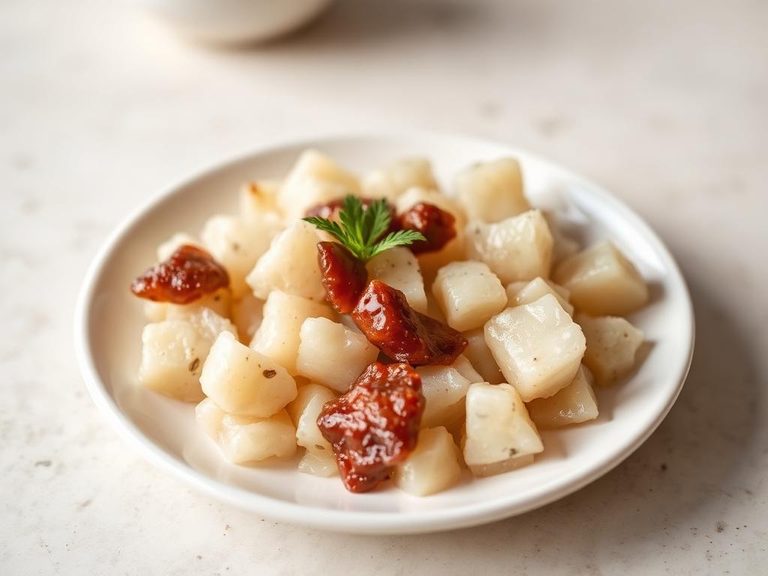
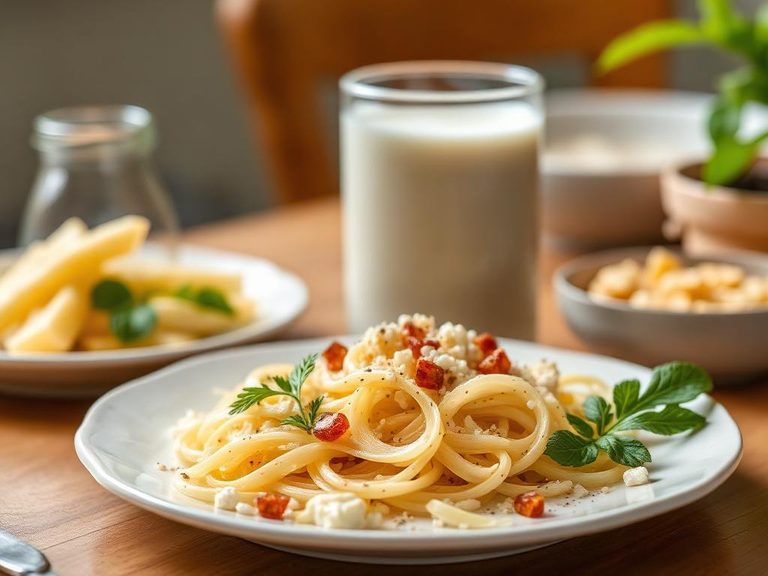
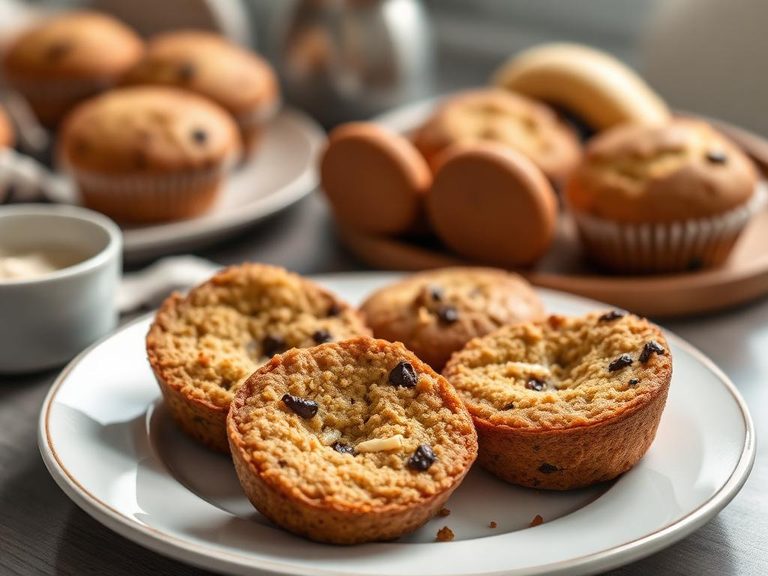
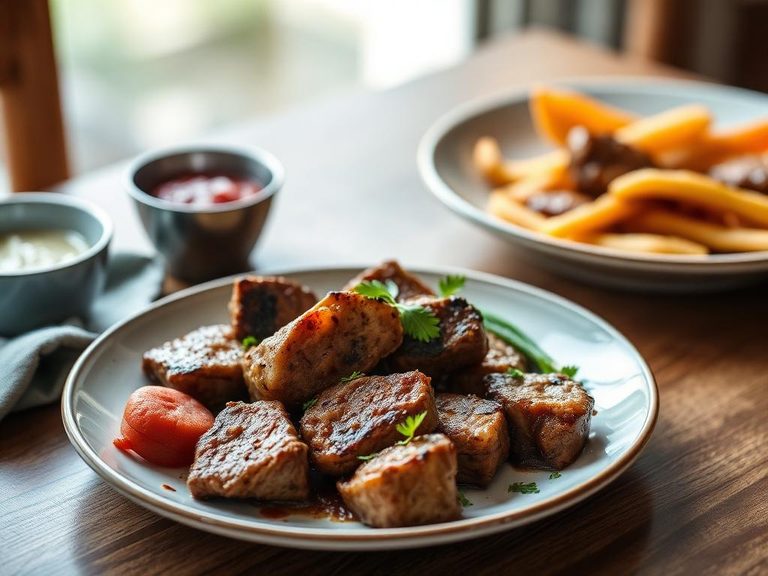
🍽️ Popular dishes
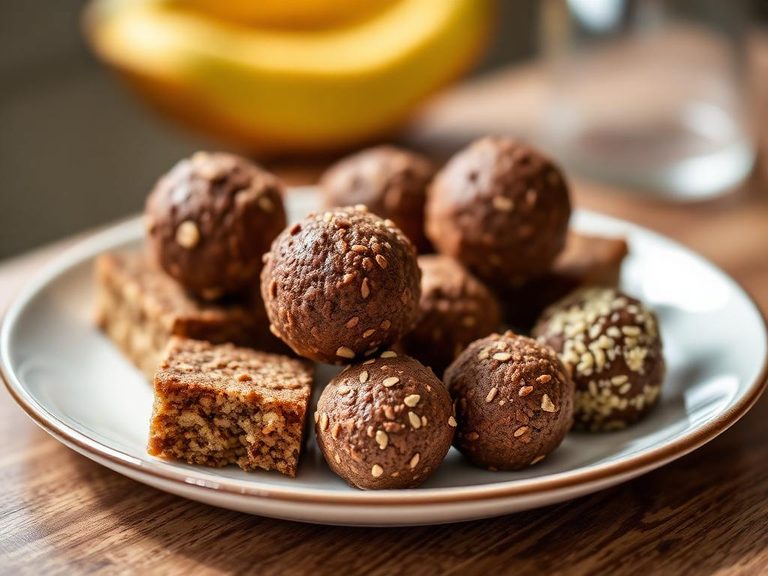
🌍 Where it's eaten
💡 Did you know?
Low-fat soy flour is often a byproduct of soy milk and tofu production, where the ground soybeans are pressed to remove the liquid, leaving behind the nutrient-dense, fiber-rich pulp known as okara.
Full nutrition (USDA data · scales with serving)
| Water | 4.6 g |
| Energy | 372 kcal |
| Energy | 1557 kj |
| Protein | 49.8 g |
| Total lipid (fat) | 8.9 g |
| Ash | 6.0 g |
| Carbohydrate, by difference | 30.6 g |
| Fiber, total dietary | 16.0 g |
| Total Sugars | 9.3 g |
| Starch | 5.3 g |
| Calcium, Ca | 285 mg |
| Iron, Fe | 8.2 mg |
| Magnesium, Mg | 285 mg |
| Phosphorus, P | 675 mg |
| Potassium, K | 2090 mg |
| Sodium, Na | 9.0 mg |
| Zinc, Zn | 4.1 mg |
| Copper, Cu | 1.6 mg |
| Manganese, Mn | 3.1 mg |
| Selenium, Se | 58.9 ug |
| Vitamin C, total ascorbic acid | 0.00 mg |
| Thiamin | 1.1 mg |
| Riboflavin | 0.28 mg |
| Niacin | 3.0 mg |
| Pantothenic acid | 1.6 mg |
| Vitamin B-6 | 1.1 mg |
| Folate, total | 289 ug |
| Folic acid | 0.00 ug |
| Folate, food | 289 ug |
| Folate, DFE | 289 ug |
| Choline, total | 192 mg |
| Betaine | 2.8 mg |
| Vitamin B-12 | 0.00 ug |
| Vitamin B-12, added | 0.00 ug |
| Vitamin A, RAE | 2.0 ug |
| Retinol | 0.00 ug |
| Carotene, beta | 24.0 ug |
| Carotene, alpha | 0.00 ug |
| Cryptoxanthin, beta | 0.00 ug |
| Vitamin A, IU | 40.0 iu |
| Lycopene | 0.00 ug |
| Lutein + zeaxanthin | 0.00 ug |
| Vitamin E (alpha-tocopherol) | 0.55 mg |
| Vitamin E, added | 0.00 mg |
| Tocopherol, beta | 0.05 mg |
| Tocopherol, gamma | 6.0 mg |
| Tocopherol, delta | 2.6 mg |
| Tocotrienol, alpha | 0.00 mg |
| Tocotrienol, beta | 0.00 mg |
| Tocotrienol, gamma | 0.00 mg |
| Tocotrienol, delta | 0.00 mg |
| Vitamin D (D2 + D3), International Units | 0.00 iu |
| Vitamin D (D2 + D3) | 0.00 ug |
| Vitamin K (phylloquinone) | 3.9 ug |
| Alcohol, ethyl | 0.00 g |
| Caffeine | 0.00 mg |
| Theobromine | 0.00 mg |
Fat & fatty acid profile (per 100g)
| Fatty acids, total saturated | 1.3 g |
| SFA 4:0 | 0.00 g |
| SFA 6:0 | 0.00 g |
| SFA 8:0 | 0.00 g |
| SFA 10:0 | 0.00 g |
| SFA 12:0 | 0.00 g |
| SFA 14:0 | 0.00 g |
| SFA 15:0 | 0.00 g |
| SFA 16:0 | 0.89 g |
| SFA 17:0 | 0.00 g |
| SFA 18:0 | 0.35 g |
| SFA 20:0 | 0.03 g |
| SFA 22:0 | 0.02 g |
| SFA 24:0 | 0.01 g |
| Fatty acids, total monounsaturated | 1.5 g |
| MUFA 14:1 | 0.00 g |
| MUFA 15:1 | 0.00 g |
| MUFA 16:1 | 0.00 g |
| MUFA 17:1 | 0.00 g |
| MUFA 18:1 | 1.4 g |
| MUFA 20:1 | 0.01 g |
| MUFA 22:1 | 0.00 g |
| MUFA 24:1 c | 0.00 g |
| Fatty acids, total polyunsaturated | 4.2 g |
| PUFA 18:2 | 3.7 g |
| PUFA 18:3 | 0.56 g |
| PUFA 18:4 | 0.00 g |
| PUFA 20:2 n-6 c,c | 0.00 g |
| PUFA 20:3 | 0.00 g |
| PUFA 20:4 | 0.00 g |
| PUFA 20:5 n-3 (EPA) | 0.00 g |
| PUFA 21:5 | 0.00 g |
| PUFA 22:4 | 0.00 g |
| PUFA 22:5 n-3 (DPA) | 0.00 g |
| PUFA 22:6 n-3 (DHA) | 0.00 g |
| Fatty acids, total trans | 0.00 g |
| Cholesterol | 0.00 mg |
Amino acid profile (per 100g)
Estimated from Soy flour, full-fat, raw — USDA does not publish this profile for Soy flour.
| Tryptophan | 0.50 g |
| Threonine | 1.5 g |
| Isoleucine | 1.7 g |
| Leucine | 2.8 g |
| Lysine | 2.3 g |
| Methionine | 0.47 g |
| Cystine | 0.56 g |
| Phenylalanine | 1.8 g |
| Tyrosine | 1.3 g |
| Valine | 1.7 g |
| Arginine | 2.7 g |
| Histidine | 0.93 g |
| Alanine | 1.6 g |
| Aspartic acid | 4.3 g |
| Glutamic acid | 6.7 g |
| Glycine | 1.6 g |
| Proline | 2.0 g |
| Serine | 2.0 g |
FAQ
How does low-fat soy flour differ from full-fat soy flour?
Low-fat soy flour has most of the oil pressed out, resulting in a higher protein concentration (about 50g vs. 38g per 100g) and lower fat content (9g vs. 22g). It's drier and absorbs more liquid.
Can I substitute it for regular flour in recipes?
It's best used as a partial substitute (15-30% of total flour weight) due to its strong absorption and dense texture. Using it alone can make baked goods heavy and gummy.
Is it gluten-free?
Yes, pure soy flour is naturally gluten-free. However, always check packaging for potential cross-contamination if you have celiac disease.
Nutrient density (calculated · NRF9.3)
Nutrient Rich Foods index: beneficial nutrients (protein, fiber, vitamins, minerals) minus saturated fat, added sugar & sodium, per 100 kcal.
NRF9.3 index — Fulgoni, Keast & Drewnowski, 2009. Computed from USDA nutrients.
Weight-loss friendliness (composite index)
Energy density 3.72 kcal/g · 54% calories from protein · 16.0 g fiber · 9.3 g sugar per 100 g.
Composite of energy density (Rolls et al., 1999), protein & fiber satiety, minus sugar. A calculated heuristic — ranks satiety-per-calorie, not a clinical measure.
Dietary load (calculated from USDA values)
Potential renal acid load. Positive = acid-forming, negative = alkaline-forming.
Sodium-to-potassium ratio: 0.00 (lower is better — aim for ≤ 1)
Sodium:potassium per WHO potassium guidance. Computed from USDA nutrients.