

Soy milk production byproduct
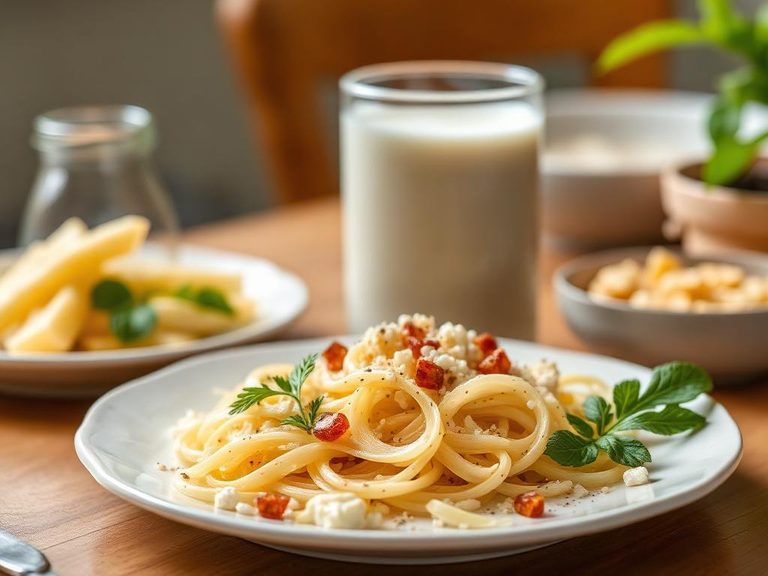
Soy milk production byproduct, commonly known as okara or soy pulp, is the fibrous residue left over after soybeans are filtered to make soy milk or tofu. It consists primarily of the insoluble fiber, some residual protein, and fat from the soybean. This ingredient is widely used in East Asian cuisines, particularly in Japan, Korea, and China, as a nutritious addition to various dishes.
🍽️ Nutrition at a glance
Okara is a low-calorie, high-fiber food that provides a good source of plant-based protein and is rich in minerals like calcium and iron. A typical serving offers significant dietary fiber with minimal fat and carbohydrates.
Nutrition breakdown
| Calories | 75 kcal |
| Protein | 7 g |
| Carbs | 8 g |
| Fat | 3 g |
| Fiber | 6 g |
| Sugar | 1 g |
| Sodium | 10 mg |
| Calcium | 90 mg |
| Iron | 1.5 mg |
| Potassium | 280 mg |
| Magnesium | 40 mg |
| Phosphorus | 100 mg |
| Folate | 30 mcg |
| Manganese | 0.5 mg |
| Copper | 0.2 mg |
Per 1 cup (150 g) · estimated, varies by recipe
💡 What's interesting
Culturally, okara is a prime example of 'mottainai'—the Japanese concept of avoiding waste—turning a byproduct into a valued ingredient. Nutritionally, its high insoluble fiber content supports digestive health, and it's often fermented in some traditions to enhance its nutritional profile and flavor.
🍽️ Related dishes





AI estimate may be inaccurate · Terms