

Cookie dough for mass production
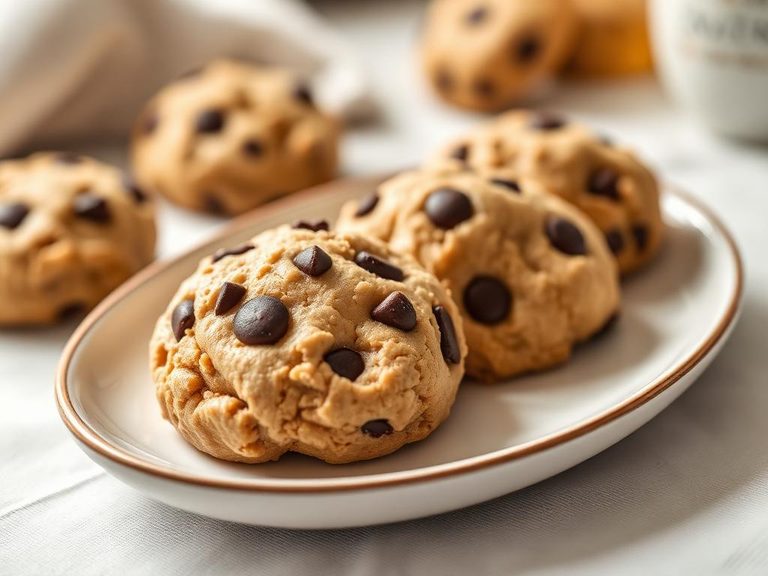
Cookie dough for mass production is a standardized, food-safe version of raw cookie dough designed for large-scale manufacturing. It typically contains flour, sugar, butter, eggs, and flavorings, but is formulated without raw eggs and with heat-treated flour to be safe for direct consumption. While originating from the United States, it is now produced globally for use in snack bars, ice cream mix-ins, and ready-to-eat tubs.
🍽️ Nutrition at a glance
This is a high-carbohydrate and high-fat food, providing quick energy primarily from sugars and fats. A typical serving offers minimal protein and fiber, with a calorie count around 200-300 kcal per 50-gram serving.
Nutrition breakdown
| Calories | 240 kcal |
| Protein | 2 g |
| Carbs | 32 g |
| Fat | 12 g |
| Fiber | 0.5 g |
| Sugar | 22 g |
| Sodium | 150 mg |
| Iron | 1.2 mg |
| Calcium | 20 mg |
| Vitamin D | 0.1 mcg |
| Potassium | 45 mg |
| Thiamin (B1) | 0.1 mg |
| Folate | 15 mcg |
| Phosphorus | 25 mg |
| Magnesium | 5 mg |
Per 50 g (about 1/4 cup) · estimated, varies by recipe
💡 What's interesting
The development of mass-produced, safe-to-eat cookie dough was a direct response to the popular but unsafe trend of eating traditional raw dough. Nutritionally, it is often fortified with vitamins and minerals to improve its profile beyond a simple treat.
🍽️ Related dishes

AI estimate may be inaccurate · Terms