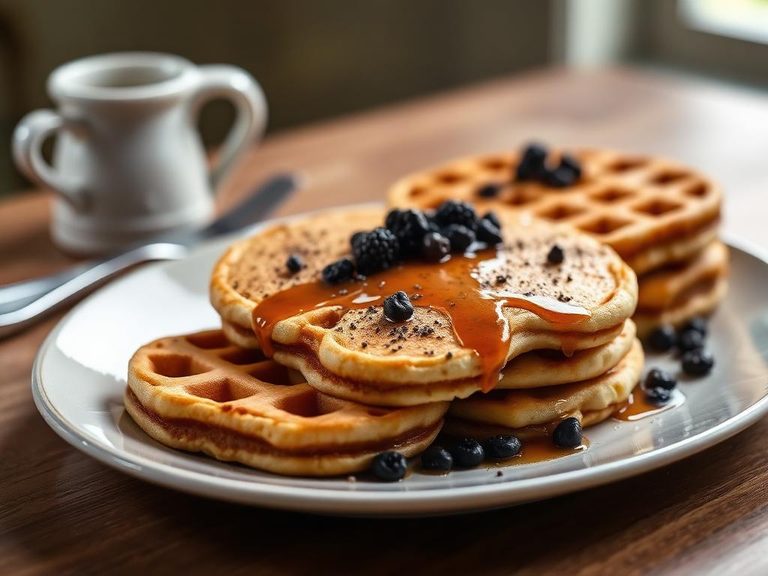
Protein-enriched bread and muffins
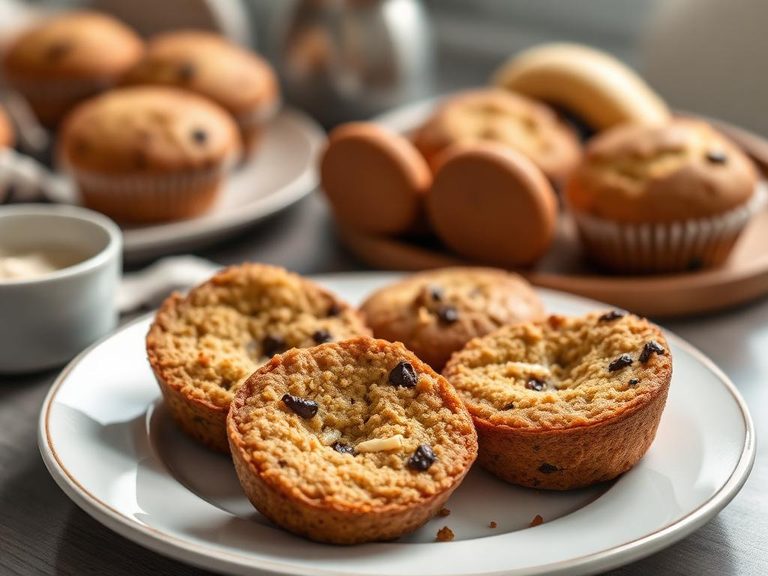
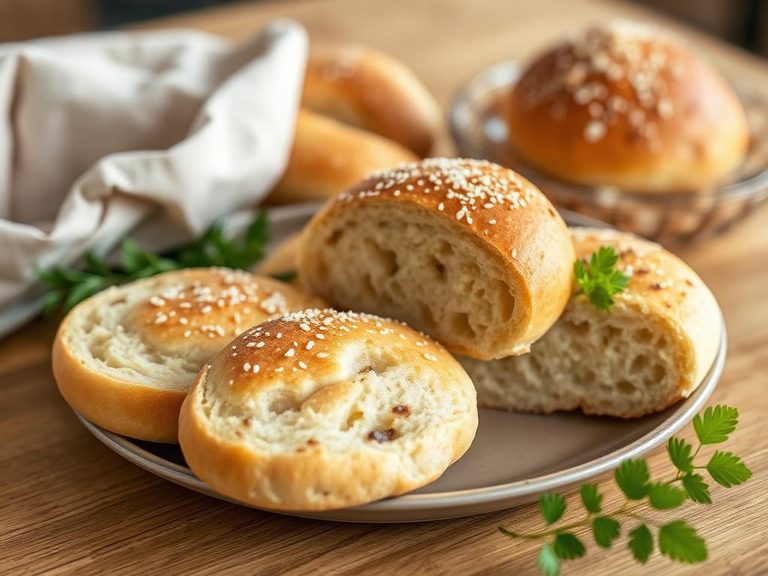
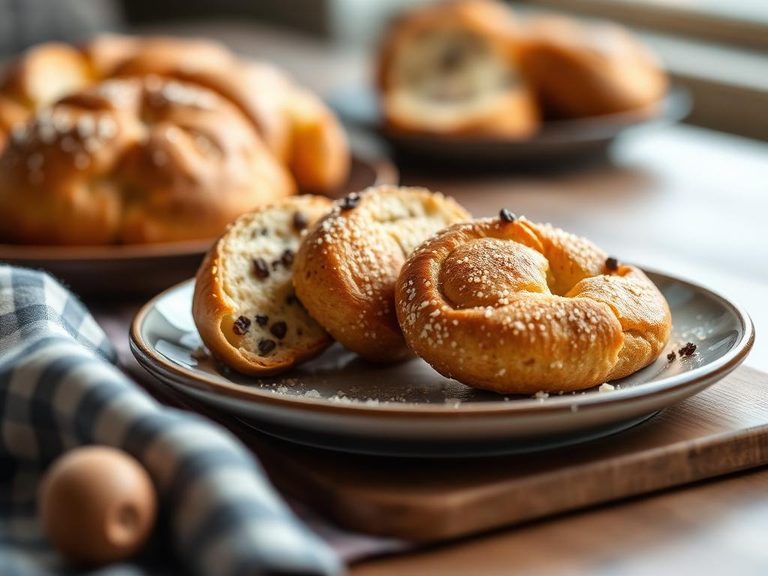
Protein-enriched bread and muffins are baked goods fortified with additional protein sources like whey, pea protein, or Greek yogurt to boost their nutritional profile. They typically use a base of flour, eggs, and a leavening agent, with the protein powder or high-protein ingredient being the key addition. This modern variation on traditional baking is popular in health-conscious kitchens and fitness communities worldwide.
🍽️ Nutrition at a glance
These products are specifically designed to be high in protein, often providing 15-25 grams per serving, while maintaining moderate carbohydrates and fats. They are a good source of essential amino acids and can offer a steady energy release, with a typical serving containing around 200-300 calories.
Nutrition breakdown
| Calories | 250 kcal |
| Protein | 20 g |
| Carbs | 28 g |
| Fat | 7 g |
| Fiber | 3 g |
| Sugar | 8 g |
| Sodium | 320 mg |
| Calcium | 200 mg |
| Iron | 3 mg |
| Potassium | 220 mg |
| Phosphorus | 180 mg |
| Vitamin B12 | 1.2 mcg |
| Vitamin D | 1.5 mcg |
| Magnesium | 40 mg |
| Zinc | 2 mg |
Per 1 medium muffin (113 g) · estimated, varies by recipe
💡 What's interesting
What's unique is that they bridge the gap between a convenient snack and a functional food, often used by athletes for muscle recovery. Culturally, they represent the growing trend of 'protein-fortification' in everyday foods, transforming traditional comfort items into tools for specific dietary goals.