Okara
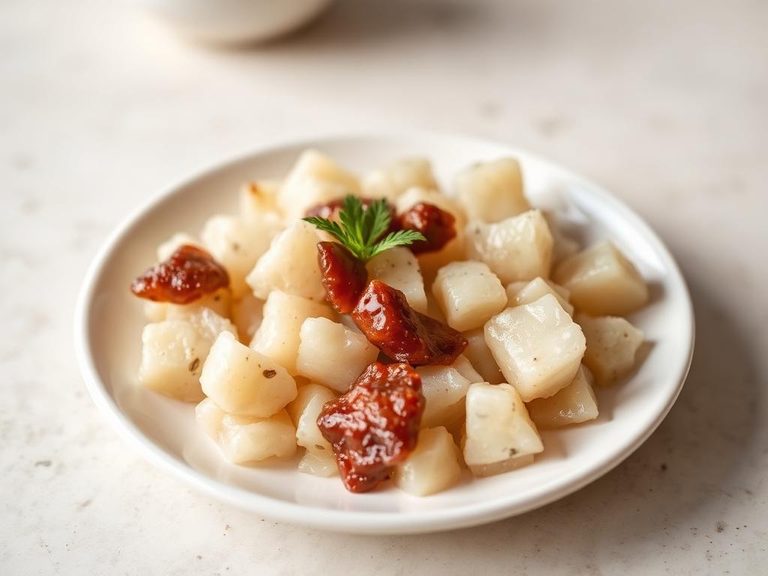
Okara, also known as soy pulp or lees, is the fibrous byproduct left over after soybeans are strained to make soy milk or tofu. It's a versatile ingredient used in both savory and sweet dishes, commonly found in East Asian cuisines, particularly in Japanese, Korean, and Chinese cooking, where it's often stir-fried, added to stews, or incorporated into baked goods.
🍽️ Nutrition at a glance
Okara is low in calories (around 50-70 kcal per 100g) but high in dietary fiber and a good source of plant-based protein, making it a nutritious addition to meals. It also provides essential minerals like calcium, iron, and magnesium.
Nutrition breakdown
| Calories | 110 kcal |
| Protein | 8 g |
| Carbs | 10 g |
| Fat | 4.5 g |
| Fiber | 8 g |
| Sugar | 3 g |
| Sodium | 10 mg |
| Potassium | 240 mg |
| Calcium | 90 mg |
| Iron | 1.5 mg |
| Magnesium | 60 mg |
| Phosphorus | 120 mg |
| Folate | 60 mcg |
| Thiamin (B1) | 0.1 mg |
| Riboflavin (B2) | 0.05 mg |
Per 1 cup (170 g) · estimated, varies by recipe
💡 What's interesting
Culturally, okara is celebrated as a sustainable, zero-waste ingredient that transforms a byproduct into a culinary staple. Nutritionally, its high fiber content supports digestive health and makes it a popular choice for those seeking to add bulk and nutrients to their diet without excess calories.