Okara Gyoza
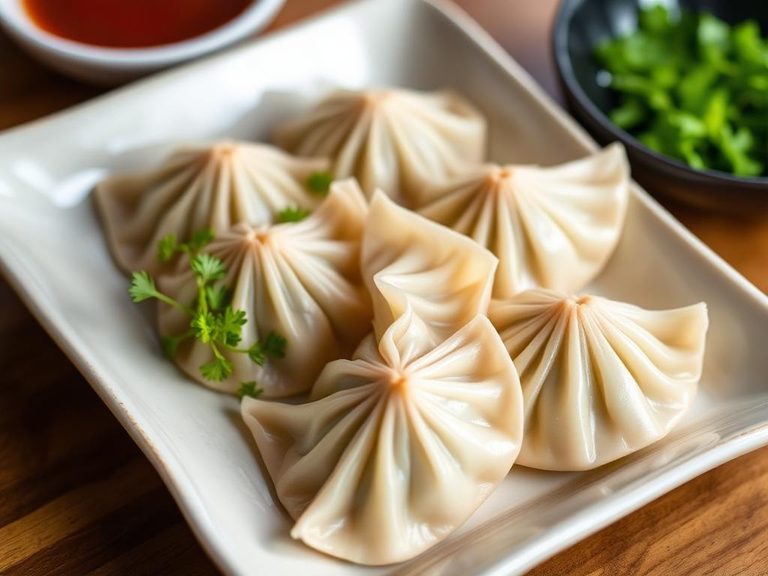
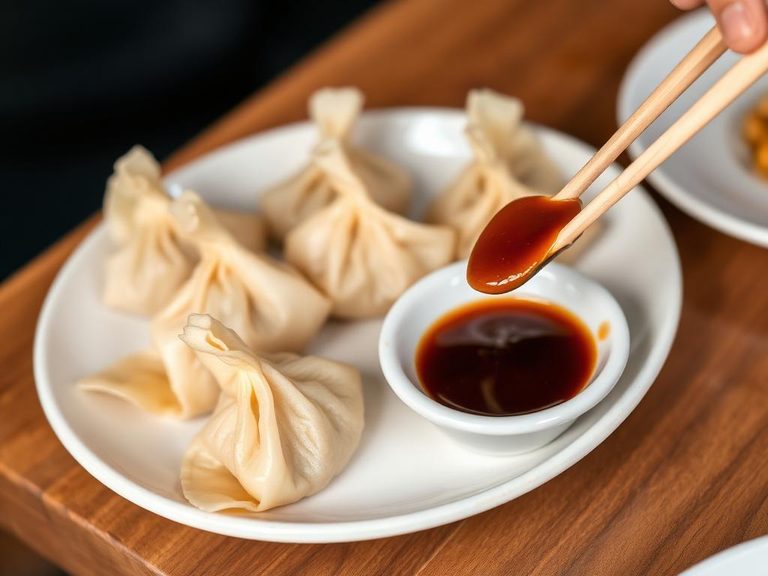
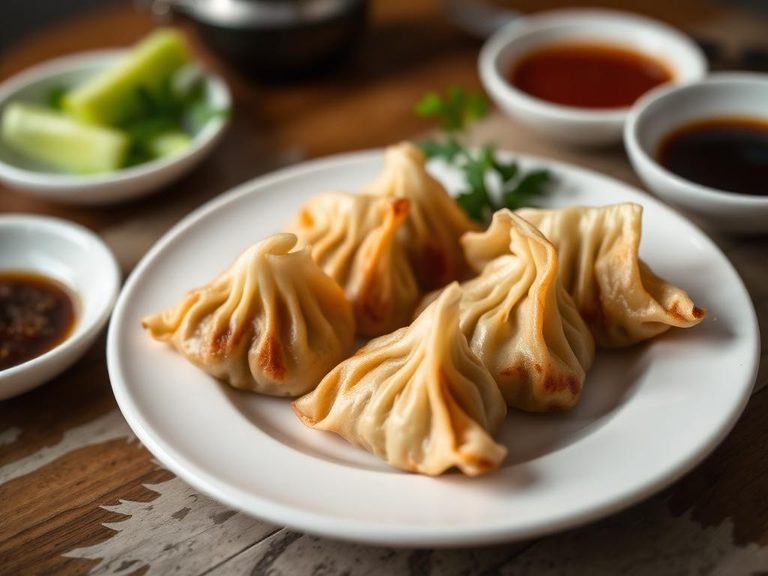
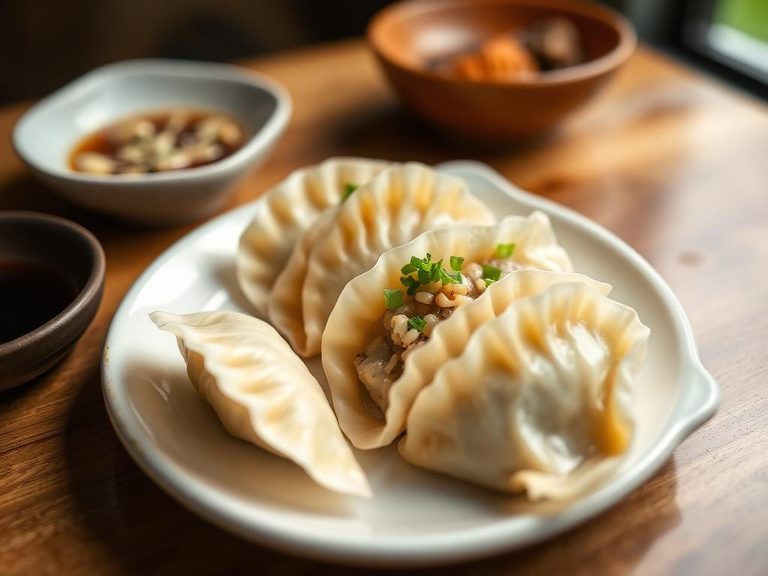
Okara Gyoza are Japanese dumplings that creatively incorporate okara, the fibrous pulp left over from making soy milk or tofu, into the traditional filling. They typically feature a mix of okara with vegetables like cabbage and carrots, and sometimes minced meat, all wrapped in a thin gyoza skin and pan-fried until crispy. This dish is a resourceful and popular way to use a byproduct of tofu production, common in home cooking and some restaurants across Japan.
🍽️ Nutrition at a glance
Okara Gyoza are generally a good source of plant-based protein and dietary fiber due to the okara, while being moderate in carbohydrates from the wrapper and lower in fat than meat-only versions. A typical serving provides key nutrients like iron, calcium, and B vitamins, with a calorie ballpark of around 250-350 kcal for a plate of 6-8 dumplings.
Nutrition breakdown
| Calories | 280 kcal |
| Protein | 14 g |
| Carbs | 28 g |
| Fat | 12 g |
| Fiber | 6 g |
| Sugar | 3 g |
| Sodium | 480 mg |
| Iron | 2.5 mg |
| Calcium | 80 mg |
| Potassium | 220 mg |
| Magnesium | 40 mg |
| Phosphorus | 120 mg |
| Folate (B9) | 45 mcg |
| Manganese | 0.8 mg |
| Zinc | 1.5 mg |
Per 6 pieces (approx. 150 g) · estimated, varies by recipe
💡 What's interesting
Culturally, Okara Gyoza embody the Japanese principle of 'mottainai' (avoiding waste) by transforming a tofu byproduct into a savory dish. Nutritionally, the okara significantly boosts the fiber and protein content compared to standard gyoza, making them a more filling and gut-friendly option.