Okara Soboro
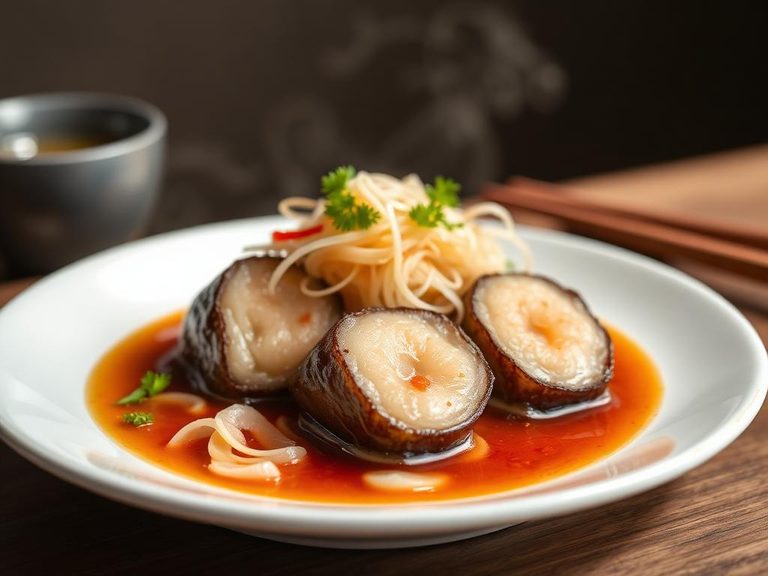
Okara Soboro is a traditional Japanese dish made from crumbled okara (soy pulp) cooked in a savory-sweet style similar to ground meat soboro. It typically features okara, soy sauce, mirin, sugar, and sometimes ginger or mushrooms, and is often served over rice or as a side dish. The dish originated in Japan as a thrifty, plant-based way to use the byproduct of tofu or soy milk production.
🍽️ Nutrition at a glance
Okara Soboro is high in dietary fiber and plant-based protein, with relatively low fat and moderate carbohydrates. A typical serving provides essential nutrients like iron, calcium, and B vitamins, and generally ranges from 150 to 200 calories per serving.
Nutrition breakdown
| Calories | 180 kcal |
| Protein | 12 g |
| Carbs | 22 g |
| Fat | 5 g |
| Fiber | 8 g |
| Sugar | 4 g |
| Sodium | 420 mg |
| Iron | 2.5 mg |
| Calcium | 90 mg |
| Potassium | 280 mg |
| Magnesium | 45 mg |
| Folate | 60 µg |
| Vitamin B6 | 0.2 mg |
| Manganese | 1.0 mg |
| Phosphorus | 150 mg |
Per 1 cup (180 g) · estimated, varies by recipe
💡 What's interesting
Culturally, Okara Soboro is a classic example of Japanese 'mottainai' (waste-not) cooking, transforming a byproduct into a flavorful, nutritious staple. Nutritionally, it's unique for its high fiber content from okara, which supports gut health and provides a meat-like texture without animal products.