Gyoza
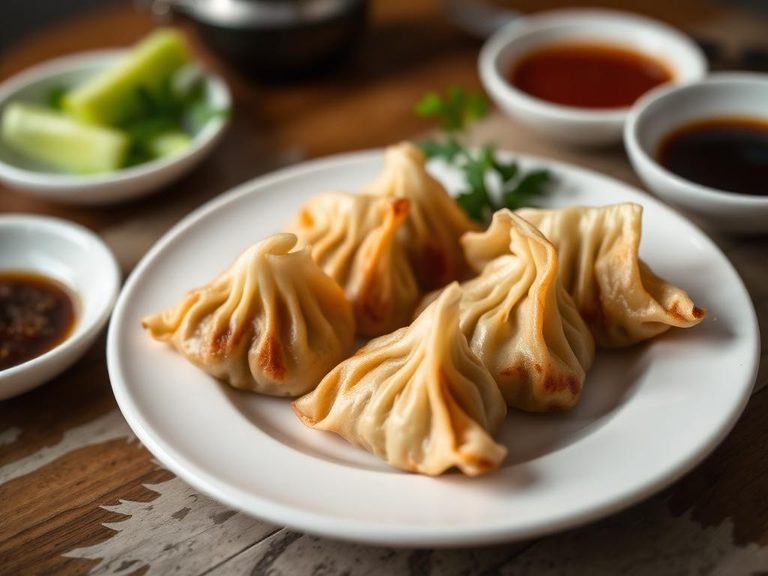
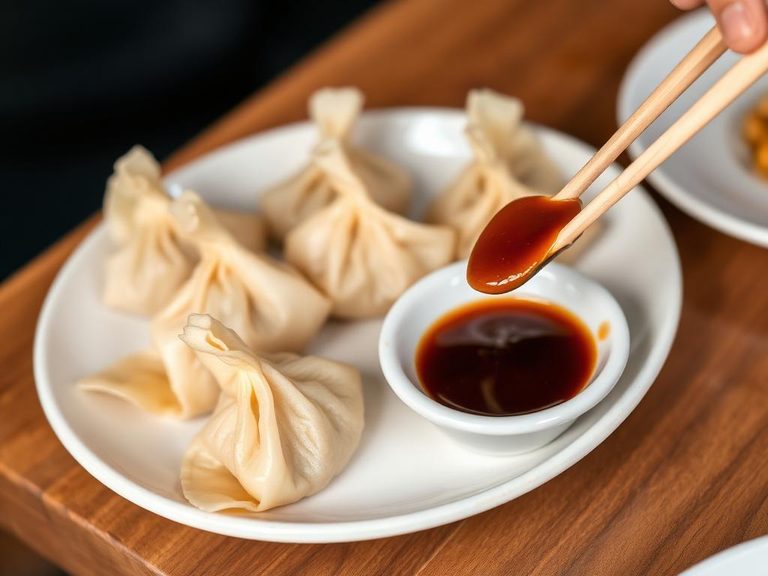
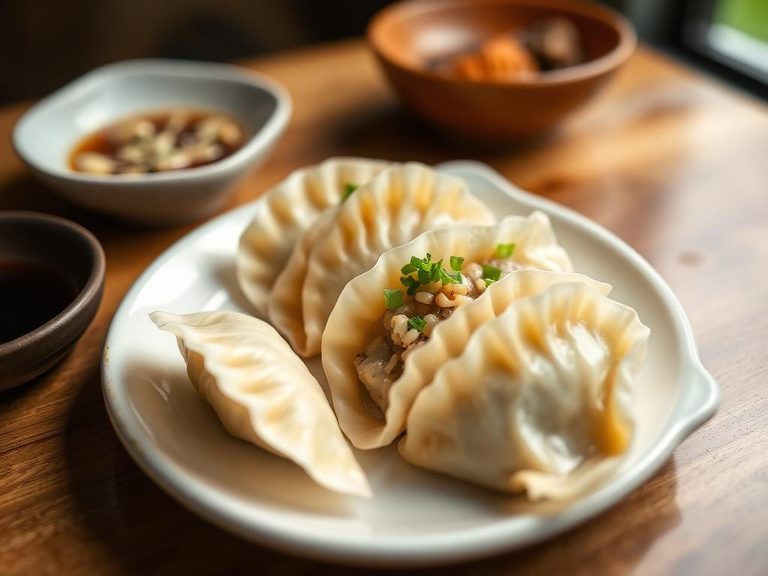
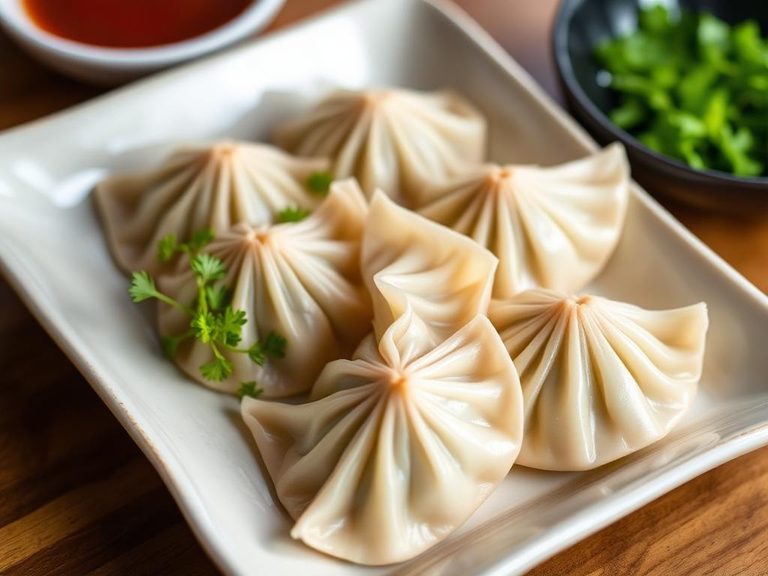
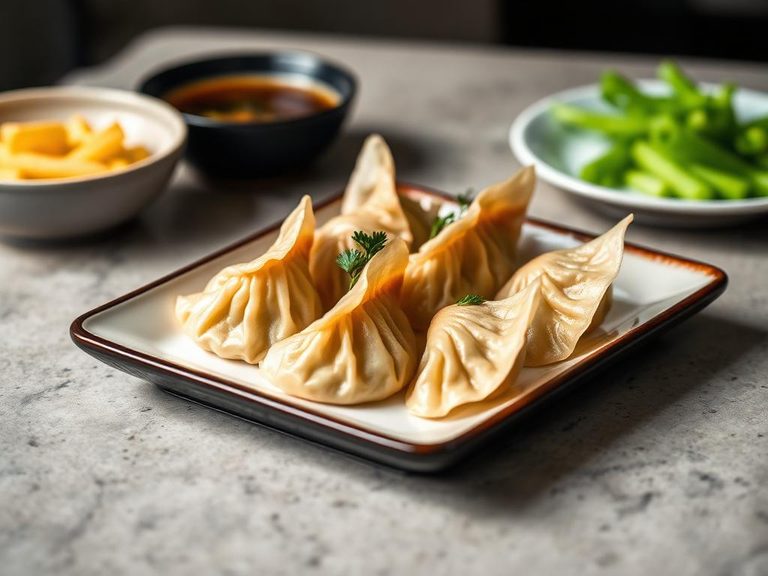
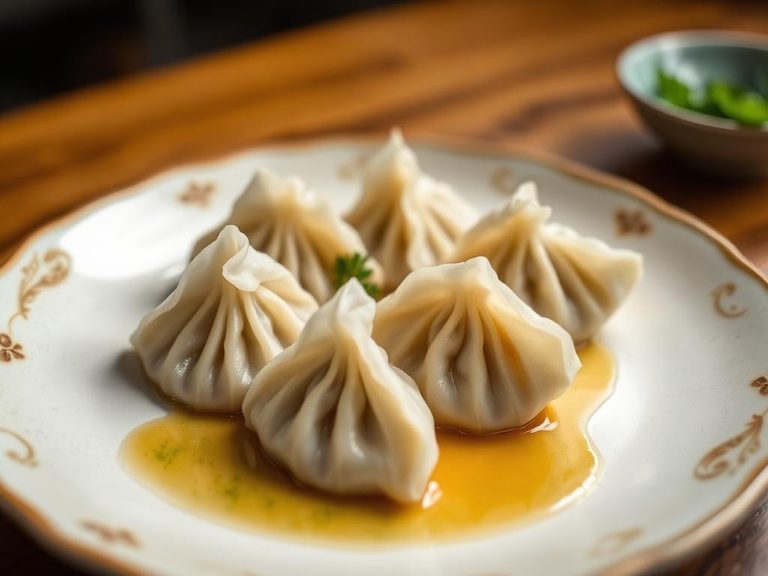
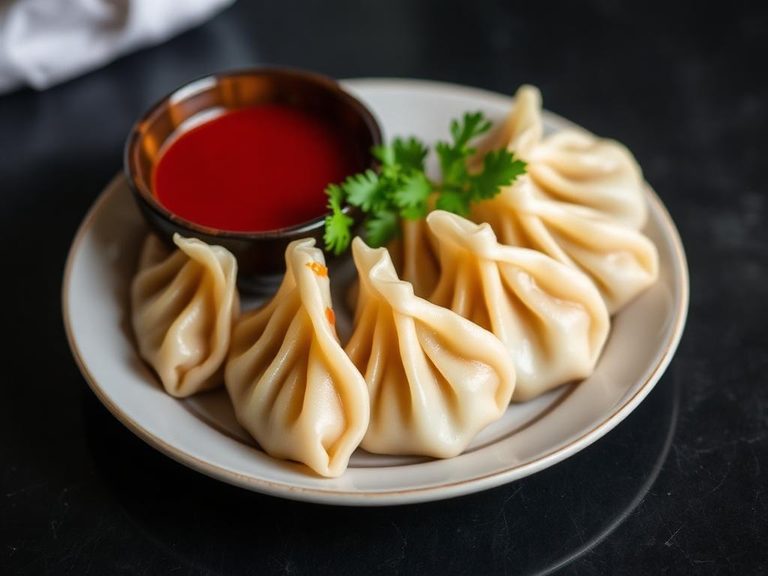
Gyoza are Japanese pan-fried dumplings, typically filled with a savory mixture of ground pork, finely chopped cabbage, garlic, ginger, and green onions, all wrapped in a thin wheat-based dough. They are known for their signature crispy, golden-brown bottom and tender, steamed top, often served with a dipping sauce of soy sauce, rice vinegar, and chili oil. This popular dish originated from Chinese jiaozi but was adapted and popularized in Japan after World War II.
🍳 View the full Gyoza recipe →
🍽️ Nutrition at a glance
Gyoza are a balanced dish providing a good mix of protein from the pork, carbohydrates from the wrapper, and some fat from the cooking oil and filling. A typical serving of about 6-8 pieces contains roughly 250-350 calories, along with key nutrients like iron, B vitamins, and some fiber from the vegetable filling.
Nutrition breakdown
| Calories | 260 kcal |
| Protein | 12 g |
| Carbs | 28 g |
| Fat | 11 g |
| Fiber | 2 g |
| Sugar | 3 g |
| Sodium | 680 mg |
| Iron | 2.5 mg |
| Potassium | 220 mg |
| Vitamin B1 (Thiamin) | 0.2 mg |
| Vitamin B2 (Riboflavin) | 0.1 mg |
| Niacin (B3) | 3.0 mg |
| Vitamin C | 4 mg |
| Calcium | 40 mg |
| Phosphorus | 110 mg |
Per 6 pieces (150 g) · estimated, varies by recipe
💡 What's interesting
Culturally, gyoza represent a fascinating example of culinary adaptation, evolving from a Chinese staple into a distinct Japanese comfort food and izakaya (pub) favorite. Nutritionally, the cooking method of pan-frying followed by steaming creates a unique textural contrast while allowing for a relatively balanced meal in a convenient, handheld package.