Japanese Gyoza
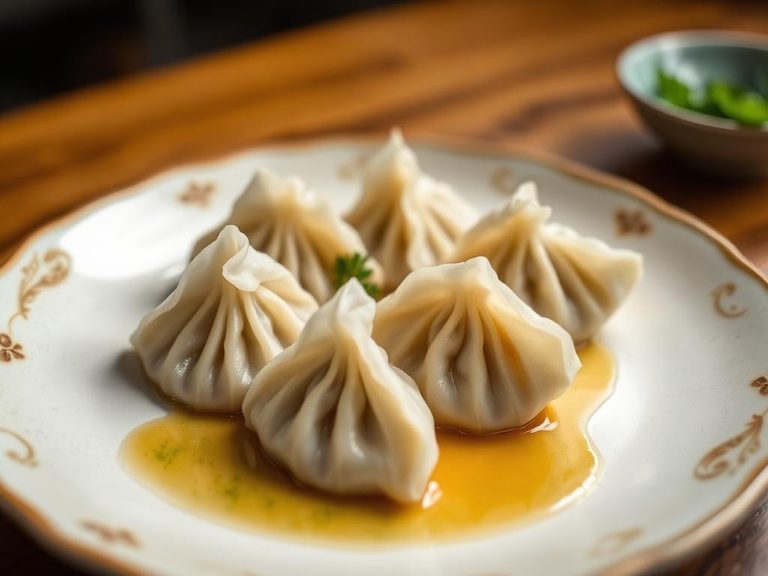
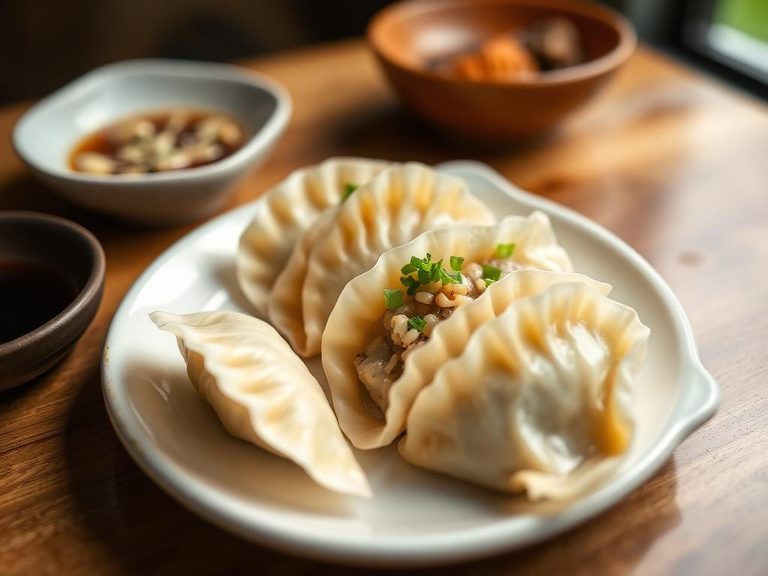
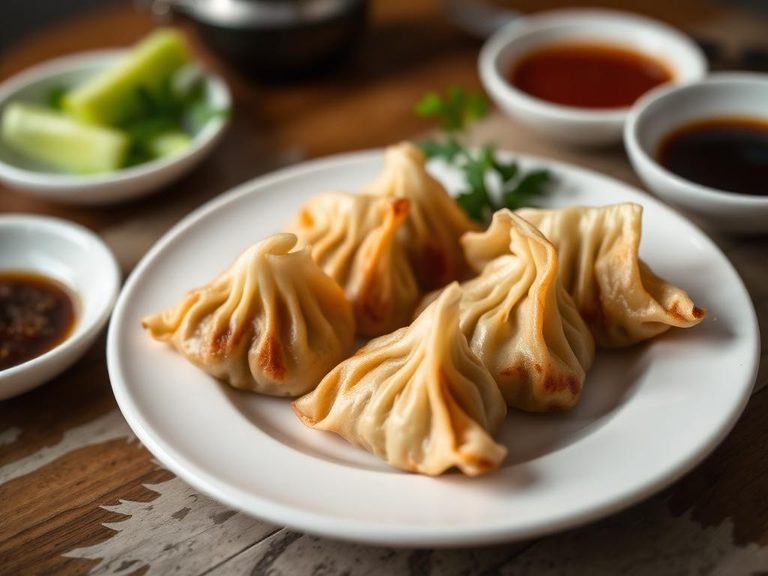
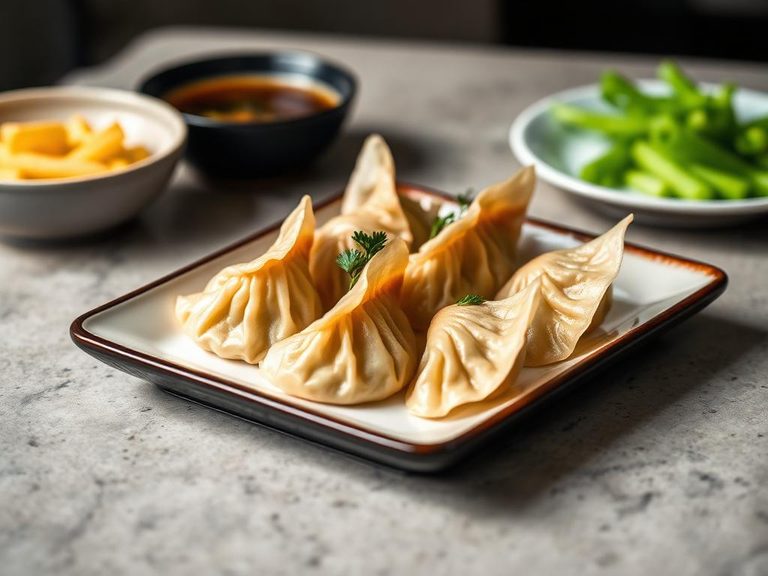
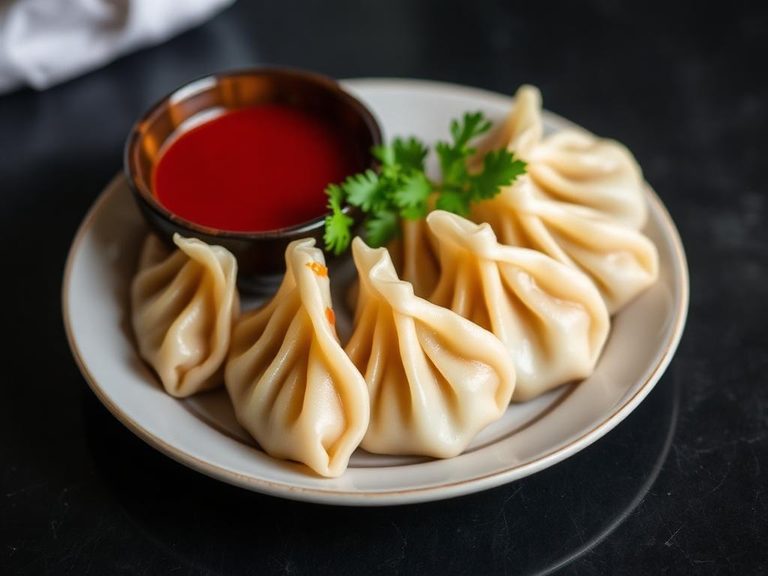
Japanese gyoza are savory pan-fried dumplings, typically filled with a mixture of ground pork, finely chopped cabbage, garlic, ginger, and green onions, all wrapped in a thin wheat-based dough. They are a beloved staple in Japanese cuisine, often served as an appetizer or side dish alongside ramen or rice. The dish originated from Chinese jiaozi but was adapted in Japan after World War II, becoming a distinct and popular comfort food.
🍽️ Nutrition at a glance
Gyoza are a balanced food, offering a good source of protein from the meat filling and carbohydrates from the wrapper, with some fat from the cooking oil and pork. A typical serving of about 6-8 pieces provides roughly 300-400 calories, along with key nutrients like iron, B vitamins, and some fiber from the vegetable filling.
Nutrition breakdown
| Calories | 280 kcal |
| Protein | 12 g |
| Carbs | 30 g |
| Fat | 12 g |
| Fiber | 2 g |
| Sugar | 3 g |
| Sodium | 650 mg |
| Iron | 2.5 mg |
| Potassium | 200 mg |
| Vitamin B1 (Thiamine) | 0.2 mg |
| Vitamin B2 (Riboflavin) | 0.1 mg |
| Niacin (B3) | 3 mg |
| Vitamin B6 | 0.15 mg |
| Folate | 40 mcg |
| Phosphorus | 100 mg |
Per 6 pieces (150 g) · estimated, varies by recipe
💡 What's interesting
Culturally, gyoza represent a delicious example of culinary fusion, evolving from Chinese roots into a uniquely Japanese dish with a focus on a crispier, garlicky profile. Nutritionally, the combination of steaming and pan-frying creates a textural contrast while helping to retain more nutrients compared to deep-frying alone.