

Soy flour, full-fat, raw
Whole food · Legumes and Legume Products

Photo: Wikipedia
Full-fat soy flour is a finely milled, pale yellow powder made from roasted, de-hulled soybeans. It has a distinctive nutty, beany flavor and a dense, slightly oily texture due to its high natural fat content. Nutritionally, it's a powerhouse, packing nearly 38 grams of protein and over 20 grams of healthy fats per 100 grams.
Calorie split: 33% protein · 27% carbs · 40% fat
↓ Full nutrition💚 Why it's loved
People love it for its incredible nutritional density and its ability to add a protein and fiber boost to baked goods, smoothies, and sauces. It's a staple in many vegetarian and vegan kitchens for its versatility and hearty, satisfying flavor.
⚠️ Watch-outs & how to enjoy it better
The strong, raw beany taste can be off-putting if not properly cooked or masked with other flavors. As a common allergen, soy must be avoided by those with soy allergies. To mitigate the flavor, always use it in cooked applications like pancakes or stews, or choose a roasted variety.
Key benefits
- Exceptionally high in complete plant protein.
- Rich in dietary fiber, supporting digestive health.
- Good source of essential minerals like iron and potassium.
- Contains healthy polyunsaturated fats, including omega-3s.
- Naturally cholesterol-free and low in saturated fat.
🍽️ Popular dishes
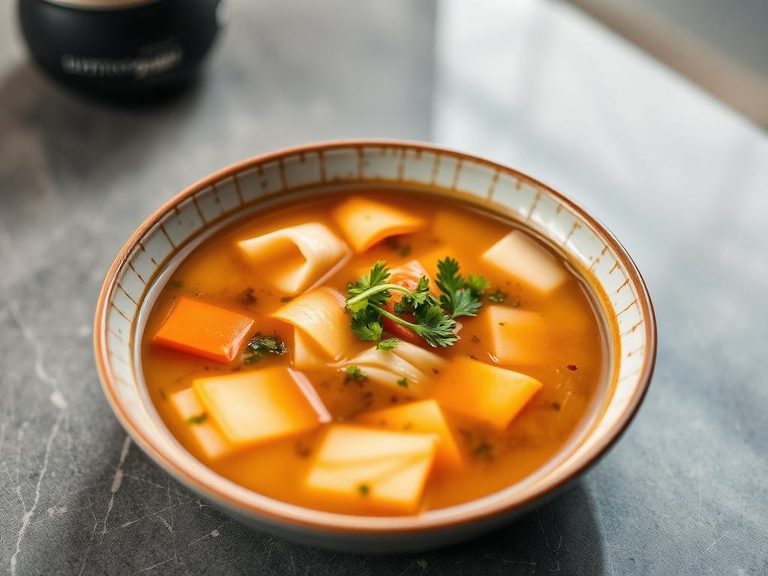
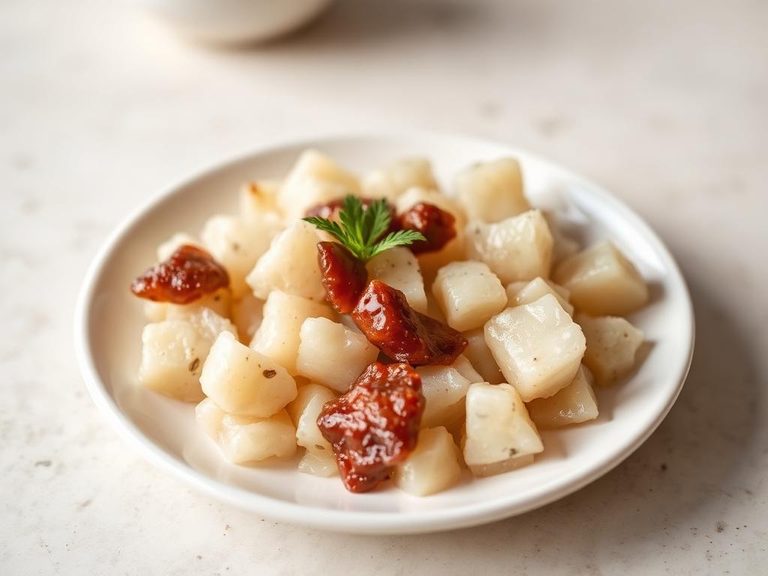
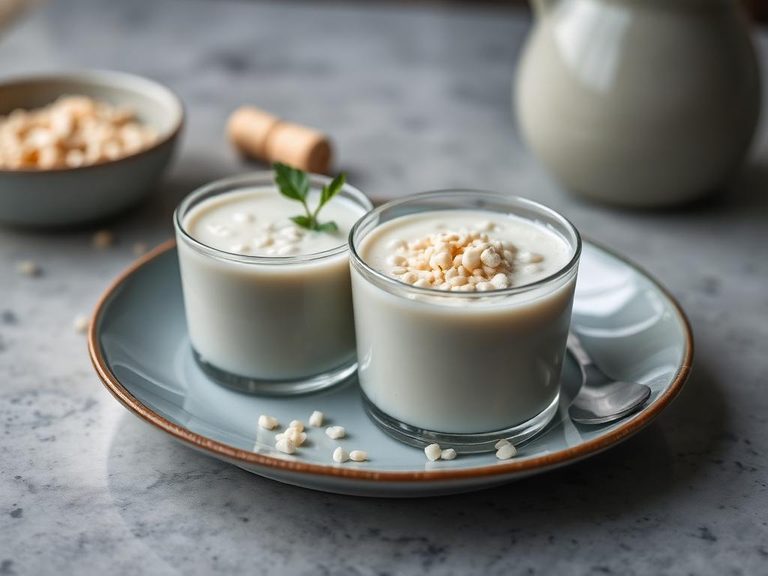
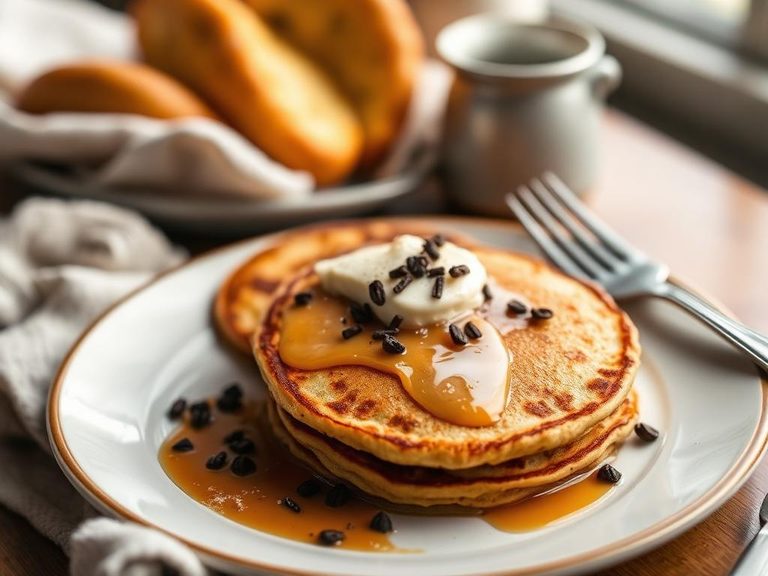
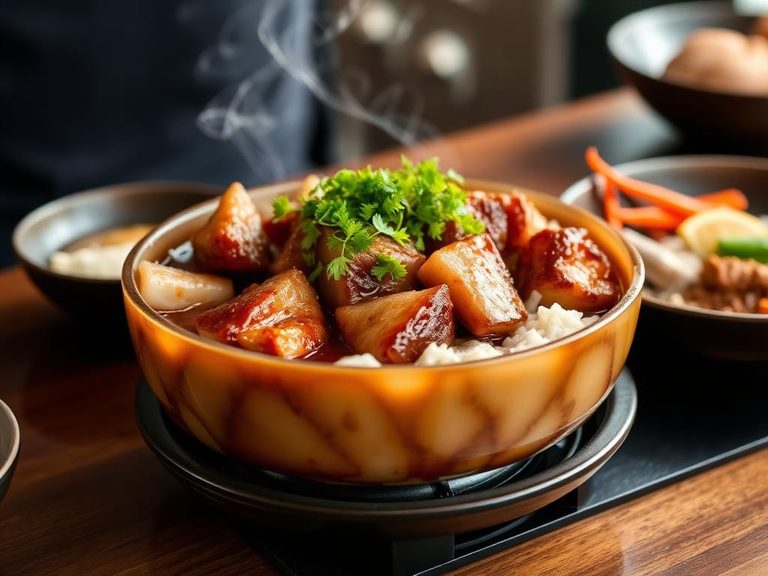
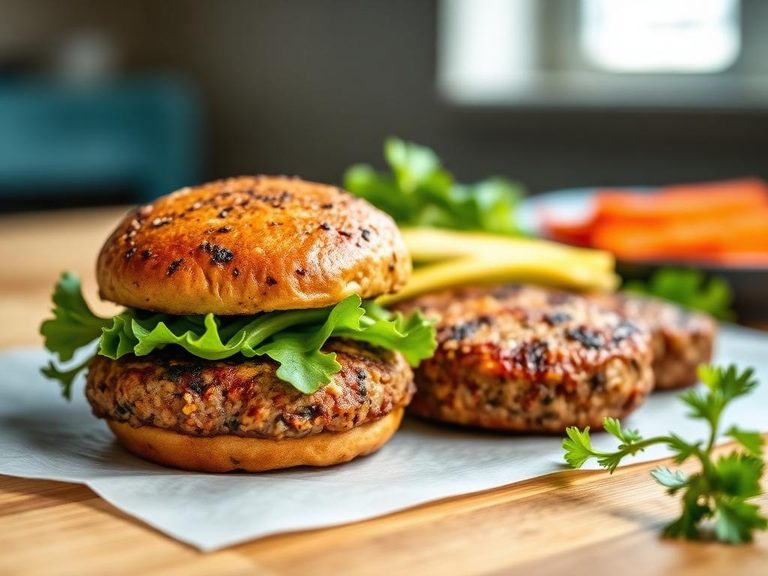
🌍 Where it's eaten
💡 Did you know?
The residue left after making soy milk, called okara, is essentially wet soy flour and is a traditional ingredient in Japanese and Korean cuisine, often stir-fried or pickled.
Full nutrition (USDA data · scales with serving)
| Water | 5.2 g |
| Energy | 434 kcal |
| Energy | 1816 kj |
| Protein | 37.8 g |
| Total lipid (fat) | 20.6 g |
| Ash | 4.5 g |
| Carbohydrate, by difference | 31.9 g |
| Fiber, total dietary | 9.6 g |
| Total Sugars | 7.5 g |
| Calcium, Ca | 206 mg |
| Iron, Fe | 6.4 mg |
| Magnesium, Mg | 429 mg |
| Phosphorus, P | 494 mg |
| Potassium, K | 2515 mg |
| Sodium, Na | 13.0 mg |
| Zinc, Zn | 3.9 mg |
| Copper, Cu | 2.9 mg |
| Manganese, Mn | 2.3 mg |
| Selenium, Se | 7.5 ug |
| Vitamin C, total ascorbic acid | 0.00 mg |
| Thiamin | 0.58 mg |
| Riboflavin | 1.2 mg |
| Niacin | 4.3 mg |
| Pantothenic acid | 1.6 mg |
| Vitamin B-6 | 0.46 mg |
| Folate, total | 345 ug |
| Folic acid | 0.00 ug |
| Folate, food | 345 ug |
| Folate, DFE | 345 ug |
| Choline, total | 191 mg |
| Vitamin B-12 | 0.00 ug |
| Vitamin B-12, added | 0.00 ug |
| Vitamin A, RAE | 6.0 ug |
| Retinol | 0.00 ug |
| Carotene, beta | 72.0 ug |
| Carotene, alpha | 0.00 ug |
| Cryptoxanthin, beta | 0.00 ug |
| Vitamin A, IU | 120 iu |
| Lycopene | 0.00 ug |
| Lutein + zeaxanthin | 0.00 ug |
| Vitamin E (alpha-tocopherol) | 1.9 mg |
| Vitamin E, added | 0.00 mg |
| Vitamin D (D2 + D3), International Units | 0.00 iu |
| Vitamin D (D2 + D3) | 0.00 ug |
| Vitamin K (phylloquinone) | 70.0 ug |
| Alcohol, ethyl | 0.00 g |
| Caffeine | 0.00 mg |
| Theobromine | 0.00 mg |
Fat & fatty acid profile (per 100g)
| Fatty acids, total saturated | 3.0 g |
| SFA 4:0 | 0.00 g |
| SFA 6:0 | 0.00 g |
| SFA 8:0 | 0.00 g |
| SFA 10:0 | 0.00 g |
| SFA 12:0 | 0.00 g |
| SFA 14:0 | 0.06 g |
| SFA 16:0 | 2.2 g |
| SFA 18:0 | 0.74 g |
| Fatty acids, total monounsaturated | 4.6 g |
| MUFA 16:1 | 0.06 g |
| MUFA 18:1 | 4.5 g |
| MUFA 20:1 | 0.00 g |
| MUFA 22:1 | 0.00 g |
| Fatty acids, total polyunsaturated | 11.7 g |
| PUFA 18:2 | 10.3 g |
| PUFA 18:3 | 1.4 g |
| PUFA 18:4 | 0.00 g |
| PUFA 20:4 | 0.00 g |
| PUFA 20:5 n-3 (EPA) | 0.00 g |
| PUFA 22:5 n-3 (DPA) | 0.00 g |
| PUFA 22:6 n-3 (DHA) | 0.00 g |
| Fatty acids, total trans | 0.00 g |
| Cholesterol | 0.00 mg |
Amino acid profile (per 100g)
| Tryptophan | 0.50 g |
| Threonine | 1.5 g |
| Isoleucine | 1.7 g |
| Leucine | 2.8 g |
| Lysine | 2.3 g |
| Methionine | 0.47 g |
| Cystine | 0.56 g |
| Phenylalanine | 1.8 g |
| Tyrosine | 1.3 g |
| Valine | 1.7 g |
| Arginine | 2.7 g |
| Histidine | 0.93 g |
| Alanine | 1.6 g |
| Aspartic acid | 4.3 g |
| Glutamic acid | 6.7 g |
| Glycine | 1.6 g |
| Proline | 2.0 g |
| Serine | 2.0 g |
FAQ
What's the difference between full-fat and defatted soy flour?
Full-fat soy flour retains the natural oils from the soybean, giving it a richer flavor, higher calorie count, and more fat-soluble vitamins. Defatted soy flour has the oil extracted, resulting in a higher protein concentration by weight but a drier texture.
Can I eat full-fat soy flour raw?
While some sources list it as 'raw,' consuming large amounts of uncooked soy flour is not recommended. It contains trypsin inhibitors that can interfere with protein digestion and may cause digestive discomfort. It's best used in cooked foods.
How does it affect baking?
It adds significant protein, fat, and moisture, creating a denser, more tender crumb. It can replace up to 1/4 of the wheat flour in recipes to boost nutrition without drastically altering texture.
Nutrient density (calculated · NRF9.3)
Nutrient Rich Foods index: beneficial nutrients (protein, fiber, vitamins, minerals) minus saturated fat, added sugar & sodium, per 100 kcal.
NRF9.3 index — Fulgoni, Keast & Drewnowski, 2009. Computed from USDA nutrients.
Weight-loss friendliness (composite index)
Energy density 4.34 kcal/g · 35% calories from protein · 9.6 g fiber · 7.5 g sugar per 100 g.
Composite of energy density (Rolls et al., 1999), protein & fiber satiety, minus sugar. A calculated heuristic — ranks satiety-per-calorie, not a clinical measure.
Dietary load (calculated from USDA values)
Potential renal acid load. Positive = acid-forming, negative = alkaline-forming.
Sodium-to-potassium ratio: 0.01 (lower is better — aim for ≤ 1)
Sodium:potassium per WHO potassium guidance. Computed from USDA nutrients.