Homemade meat analogues
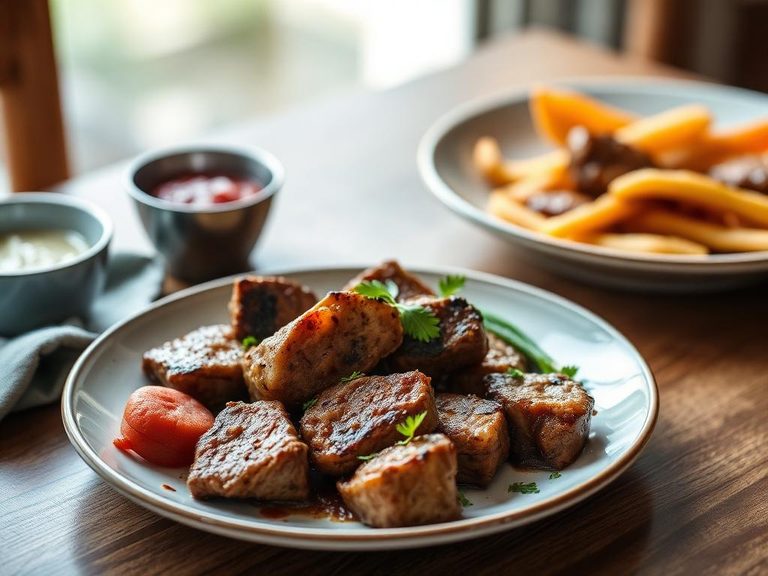
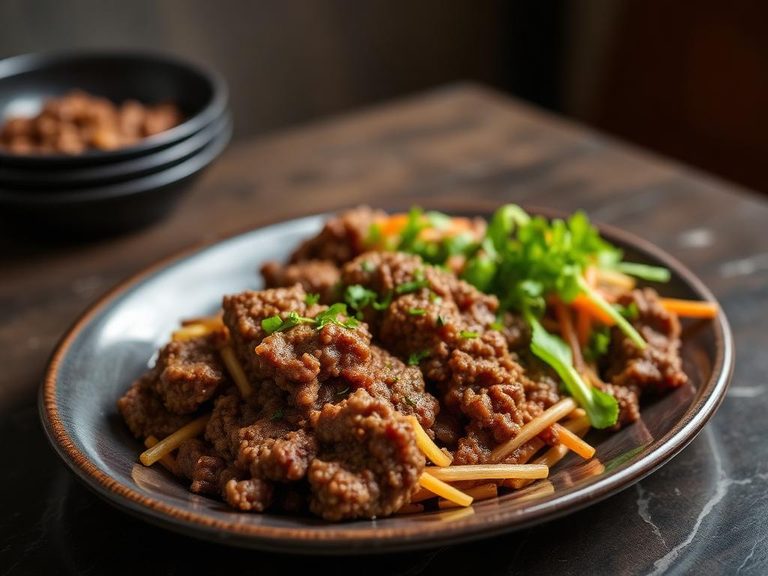
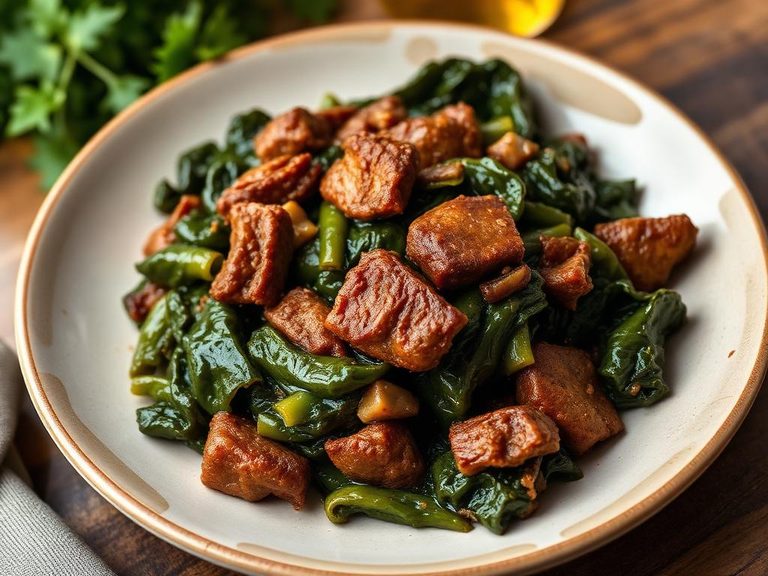
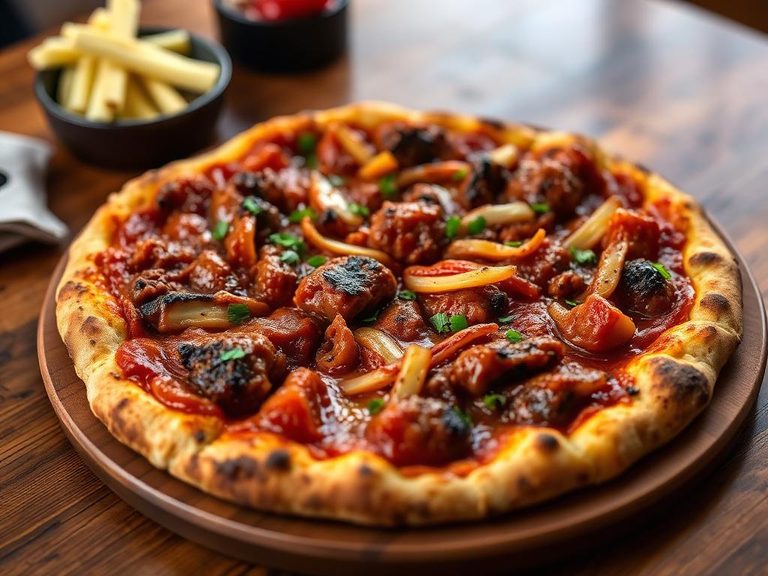
Homemade meat analogues are plant-based dishes crafted to mimic the taste, texture, and appearance of meat, often using ingredients like soy, wheat gluten, mushrooms, or legumes. They are a global phenomenon, with roots in Asian cuisines (like Buddhist temple food) and modern Western vegetarian cooking. The goal is to create a satisfying, protein-rich centerpiece for a meal.
🍽️ Nutrition at a glance
These dishes are typically high in protein and can be moderate in fat, with carbs varying based on the base ingredient. They are excellent sources of fiber, iron, and B vitamins (especially if fortified), and a standard serving generally falls between 200-350 calories.
Nutrition breakdown
| Calories | 240 kcal |
| Protein | 20 g |
| Carbs | 8 g |
| Fat | 14 g |
| Fiber | 4 g |
| Sugar | 1 g |
| Sodium | 380 mg |
| Iron | 4.5 mg |
| Potassium | 300 mg |
| Calcium | 120 mg |
| Vitamin B12 | 2.4 µg |
| Niacin (B3) | 5 mg |
| Phosphorus | 180 mg |
| Magnesium | 45 mg |
| Zinc | 2.5 mg |
Per 1 patty (113 g) · estimated, varies by recipe
💡 What's interesting
Culturally, they represent a fascinating intersection of ancient culinary tradition and modern food technology, often developed for ethical, religious, or health reasons. Nutritionally, they can be engineered to be a complete protein source while being naturally free of cholesterol.