Meat extenders in ground meat dishes
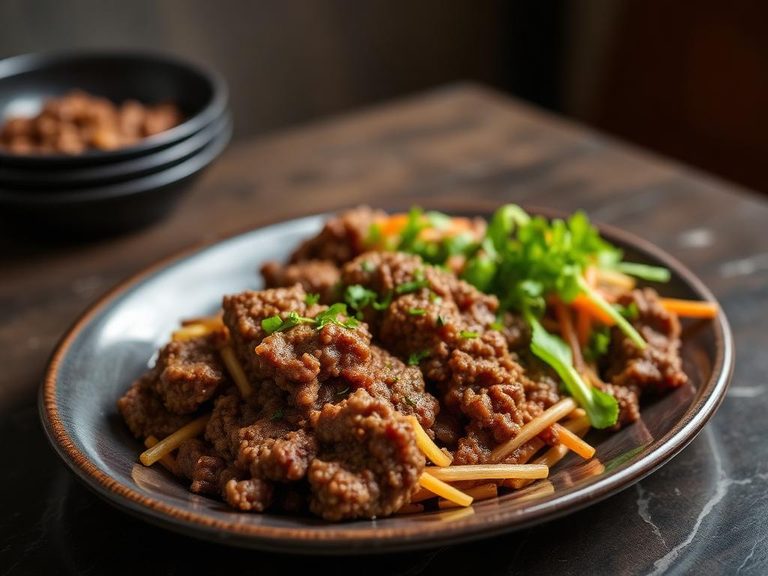
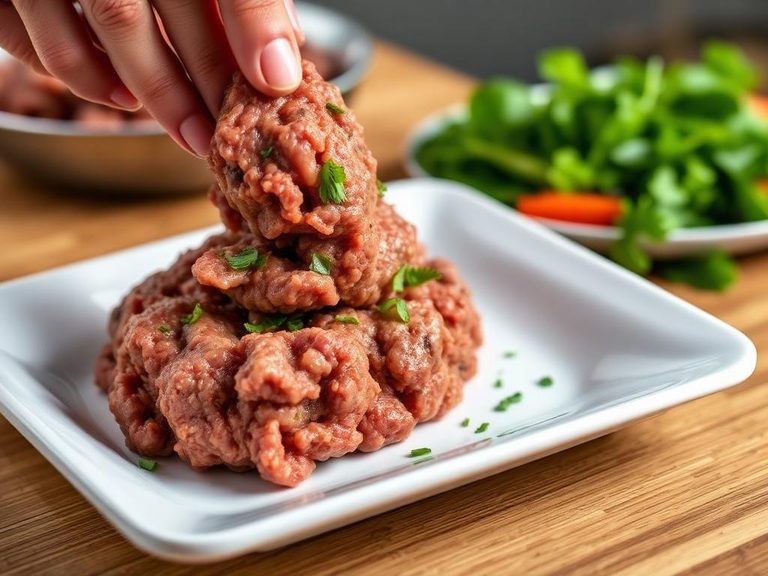
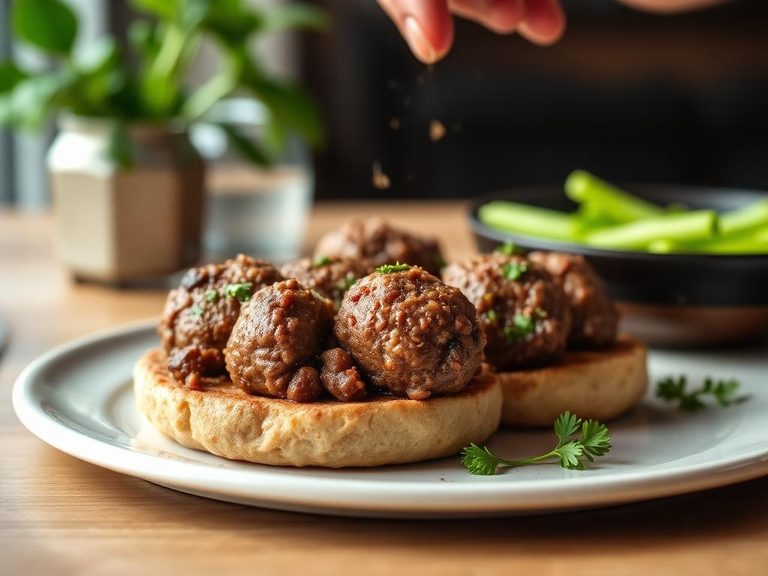
Meat extenders are ingredients like textured vegetable protein (TVP), breadcrumbs, or mushrooms added to ground meat dishes to increase volume, reduce cost, and alter texture. Common in home cooking and processed foods worldwide, they are mixed into burgers, meatballs, and sauces. The practice is especially prevalent in budget-conscious cooking and in cuisines like American, German, and Asian.
🍽️ Nutrition at a glance
Dishes with meat extenders are typically high in protein but lower in fat and calories than pure meat versions, depending on the extender used. They provide key nutrients like iron, B vitamins, and fiber if plant-based extenders are included.
Nutrition breakdown
| Calories | 210 kcal |
| Protein | 18 g |
| Carbs | 8 g |
| Fat | 12 g |
| Fiber | 2 g |
| Sugar | 1 g |
| Sodium | 320 mg |
| Iron | 2.5 mg |
| Zinc | 3.2 mg |
| Niacin (B3) | 4.8 mg |
| Vitamin B12 | 1.5 mcg |
| Potassium | 280 mg |
| Phosphorus | 150 mg |
| Selenium | 12 mcg |
| Folate | 30 mcg |
Per 1 burger patty (113 g) · estimated, varies by recipe
💡 What's interesting
The use of extenders is a fascinating example of culinary resourcefulness, stretching ingredients during times of scarcity or for economic efficiency. Nutritionally, they can boost fiber and reduce saturated fat, making traditional meat dishes more plant-forward.