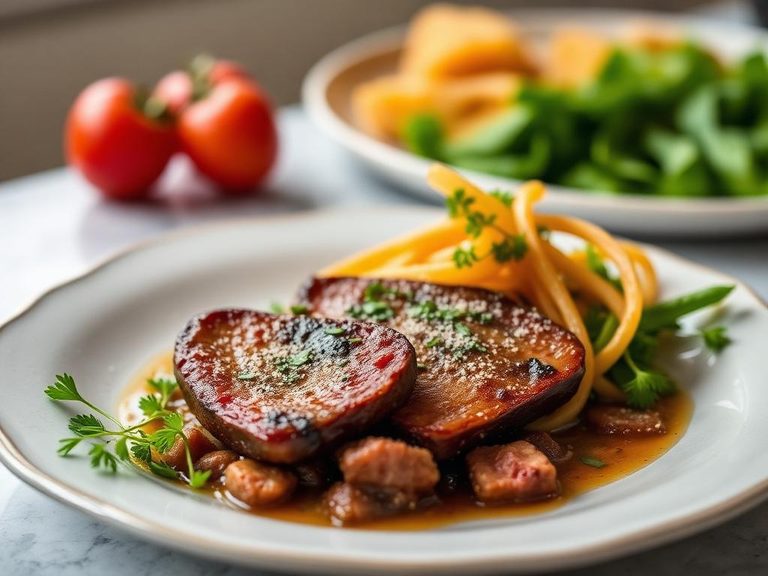
Ground lamb heart for burgers or meatballs
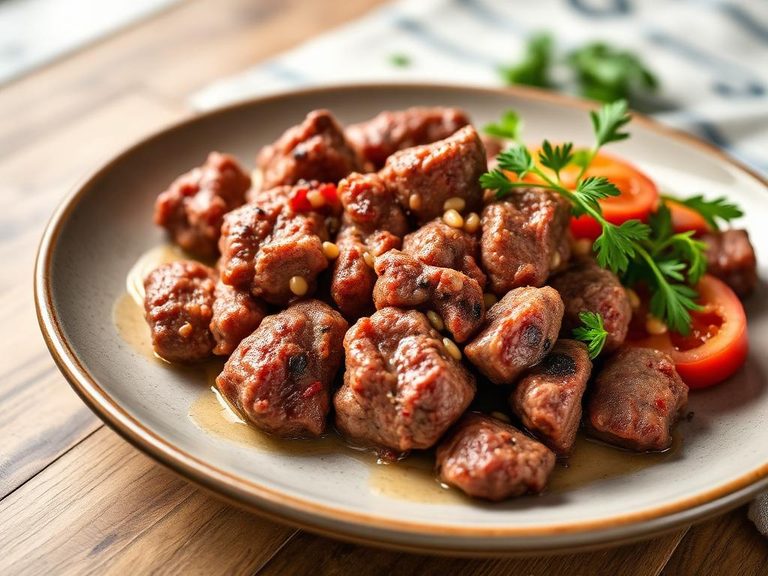
Ground lamb heart is a nutrient-dense organ meat used as a base for burgers or meatballs, often seasoned with herbs like rosemary and garlic. It is a traditional ingredient in many cuisines, particularly in Mediterranean, Middle Eastern, and pastoral cultures where nose-to-tail eating is practiced.
🍽️ Nutrition at a glance
This dish is extremely high in protein and very low in carbohydrates, with a moderate amount of healthy fats. It is a powerhouse of essential nutrients, providing a rich source of iron, B vitamins (especially B12), and CoQ10, with a typical serving containing roughly 200-250 calories.
Nutrition breakdown
| Calories | 210 kcal |
| Protein | 26 g |
| Carbs | 0 g |
| Fat | 11 g |
| Fiber | 0 g |
| Sugar | 0 g |
| Sodium | 80 mg |
| Iron | 5.5 mg |
| Vitamin B12 | 12.5 mcg |
| Zinc | 4.0 mg |
| Phosphorus | 250 mg |
| Selenium | 35 mcg |
| Riboflavin (B2) | 0.5 mg |
| Niacin (B3) | 6.0 mg |
| CoQ10 | 11 mg |
Per 4 oz (113 g) · estimated, varies by recipe
💡 What's interesting
Lamb heart is a 'functional food' prized for its high concentration of CoQ10, an antioxidant crucial for heart health and energy production. Culturally, it represents a sustainable, whole-animal approach to cooking that is both economical and deeply nutritious.