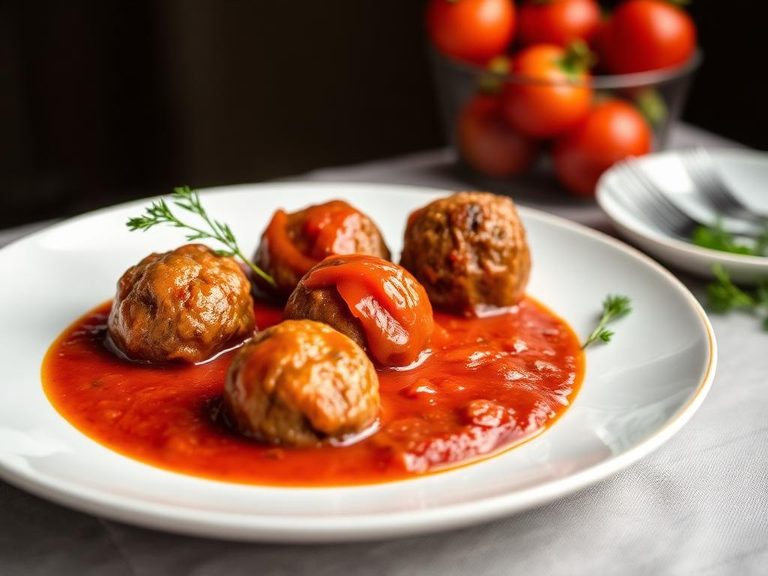
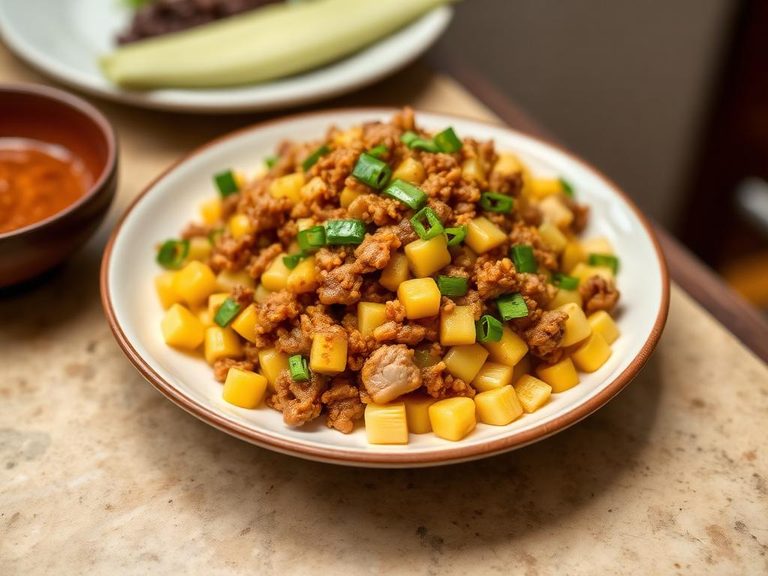
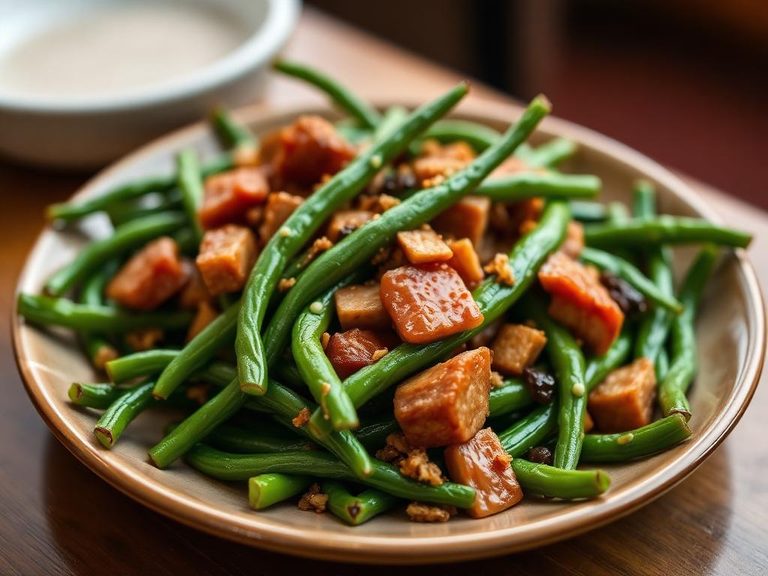
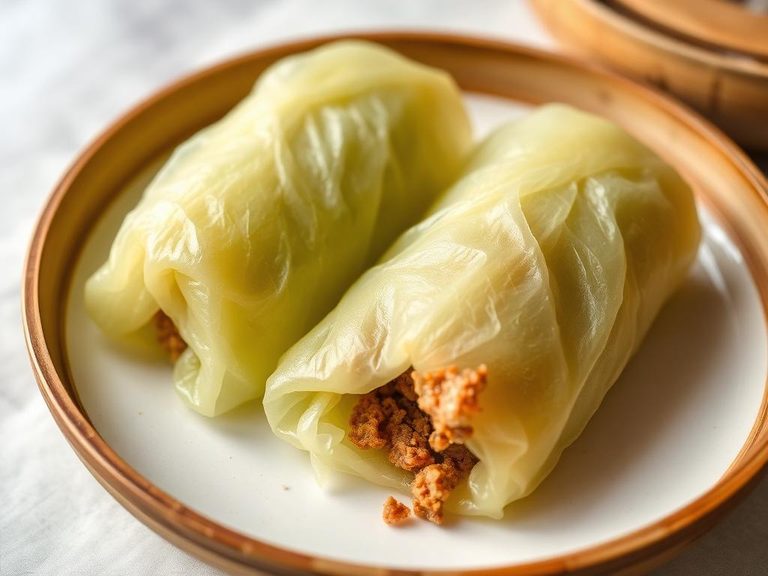
Minced heart for rich pâtés or meatballs
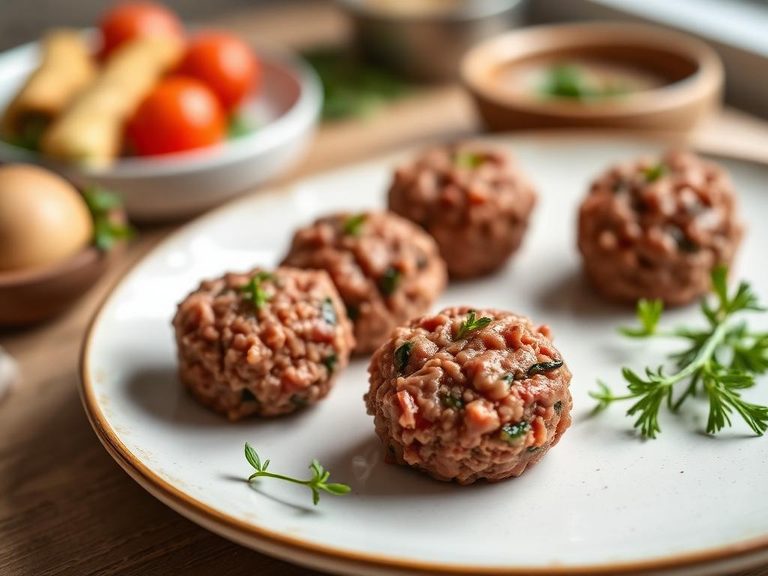
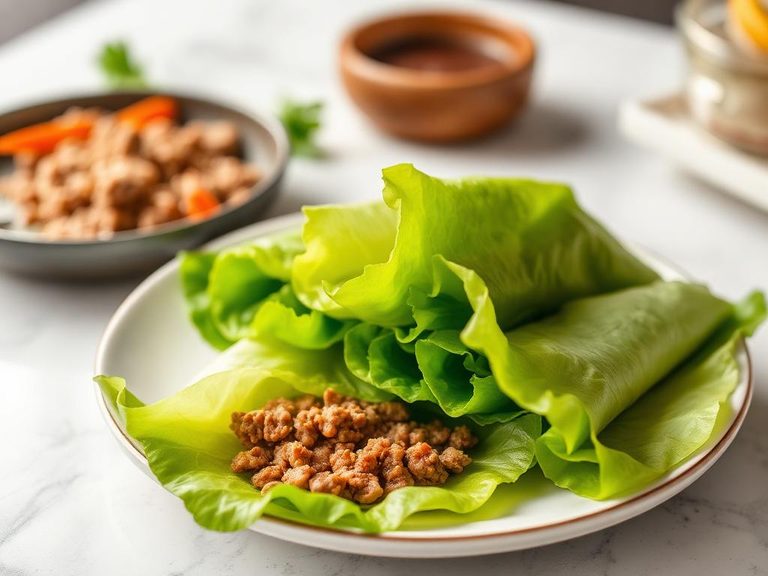
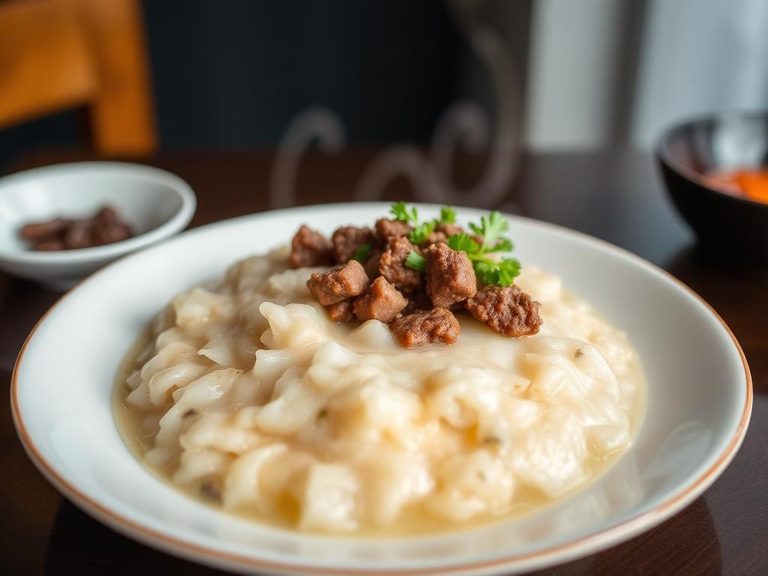
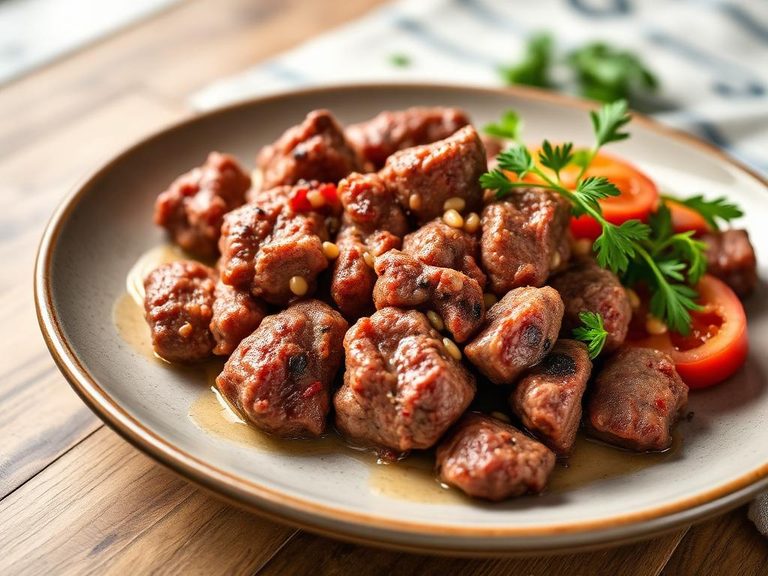
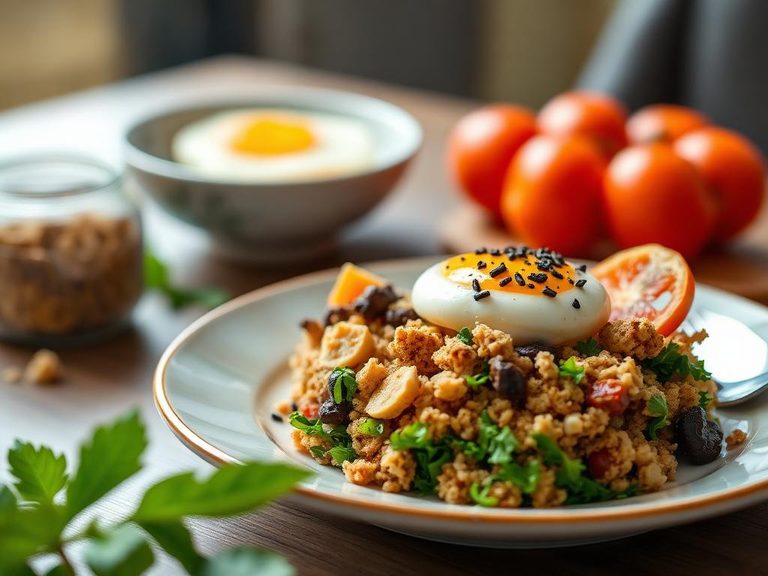
Minced heart is a culinary preparation of finely chopped or ground animal heart, typically from beef, pork, or lamb. It is a versatile base ingredient used to create rich, savory dishes like pâtés, terrines, and hearty meatballs. This preparation method is found in various cuisines worldwide, particularly in European and North American cooking traditions.
🍽️ Nutrition at a glance
This dish is exceptionally high in protein and very low in carbohydrates, making it a nutrient-dense option. It provides significant amounts of B vitamins, iron, and zinc, with a calorie count that varies based on the specific heart used and added fats, generally ranging from 150-200 kcal per 100g serving.
Nutrition breakdown
| Calories | 165 kcal |
| Protein | 24 g |
| Carbs | 0 g |
| Fat | 7 g |
| Fiber | 0 g |
| Sugar | 0 g |
| Sodium | 60 mg |
| Iron | 4.5 mg |
| Zinc | 2.0 mg |
| Vitamin B12 | 8.5 µg |
| Niacin (B3) | 7.0 mg |
| Riboflavin (B2) | 0.3 mg |
| Selenium | 40 µg |
| Phosphorus | 220 mg |
| Potassium | 290 mg |
Per 100 grams (cooked, lean only) · estimated, varies by recipe
💡 What's interesting
Nutritionally, heart is a unique muscle meat that is exceptionally rich in Coenzyme Q10 (CoQ10), a compound vital for cellular energy production. Culturally, using organ meats like heart reflects a traditional 'nose-to-tail' eating philosophy that values whole-animal utilization and minimizes waste.