Added to ground meat for juiciness in burgers or meatballs
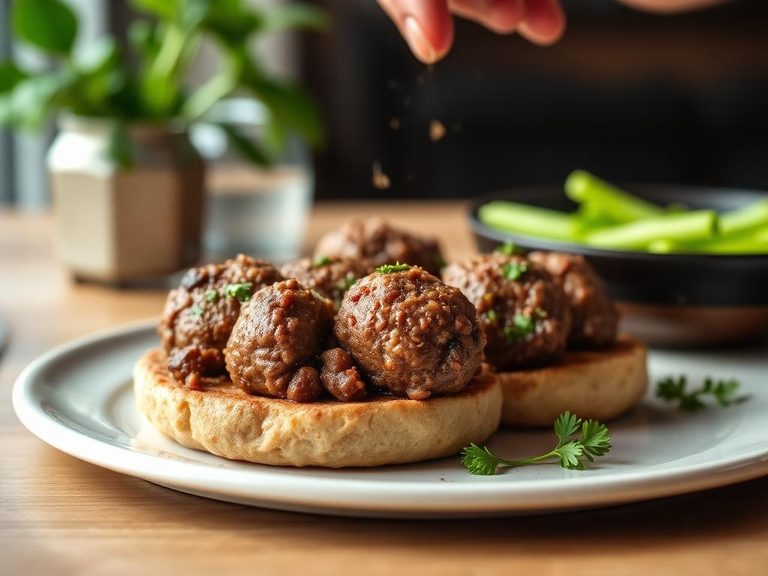
This is not a standalone dish, but a common preparation technique where finely grated or minced vegetables, like onions, mushrooms, or zucchini, are mixed into ground meat. The added ingredients release moisture during cooking, resulting in juicier burgers, meatballs, or meatloaf. This method is a popular culinary trick used in home kitchens and restaurants worldwide.
🍽️ Nutrition at a glance
The nutritional profile is primarily determined by the base meat, but the added vegetables contribute fiber, vitamins, and minerals while slightly reducing the overall calorie and fat density per gram of the final mixture. A typical serving of the final cooked meatball or burger patty would be a significant source of protein.
Nutrition breakdown
| Calories | 120 kcal |
| Protein | 10 g |
| Carbs | 2 g |
| Fat | 8 g |
| Fiber | 0.5 g |
| Sugar | 1 g |
| Sodium | 200 mg |
| Iron | 1.2 mg |
| Zinc | 2.5 mg |
| Vitamin B12 | 1.5 µg |
| Potassium | 180 mg |
| Niacin (B3) | 3 mg |
| Phosphorus | 95 mg |
| Selenium | 10 µg |
| Vitamin C | 2 mg |
Per 1 cooked meatball (approx. 60 g) · estimated, varies by recipe
💡 What's interesting
This technique is a form of 'stealth health,' allowing for the incorporation of extra vegetables into a meat-centric dish, often unnoticed by picky eaters. Nutritionally, it can help lower the saturated fat content of the meal while adding beneficial micronutrients.
🍽️ Related dishes
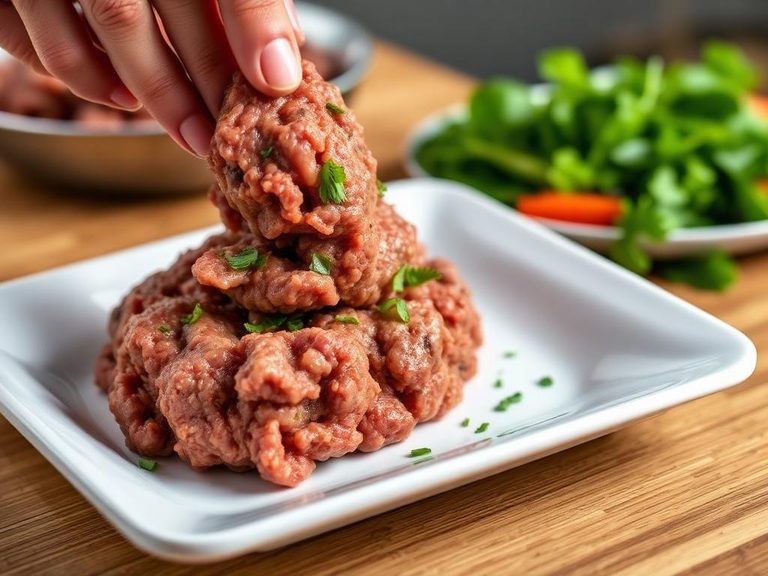 Added to Ground Meat for Burgers or Meatballs
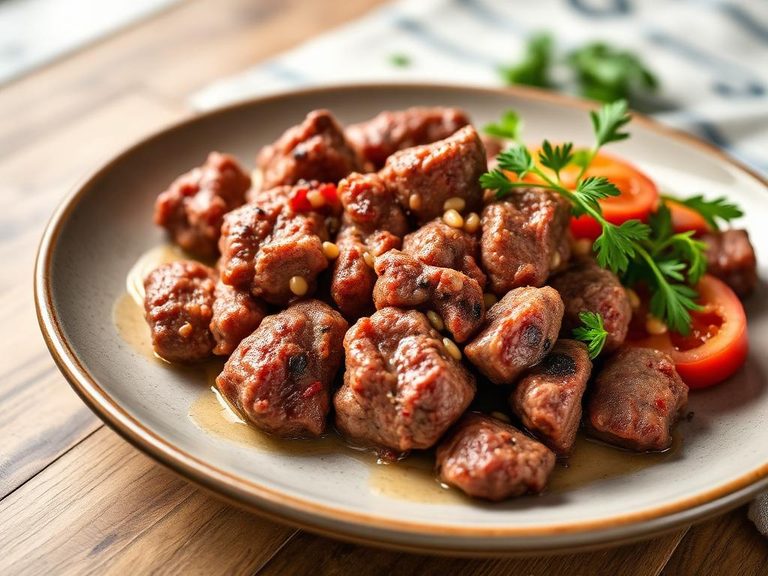 Ground lamb heart for burgers or meatballs
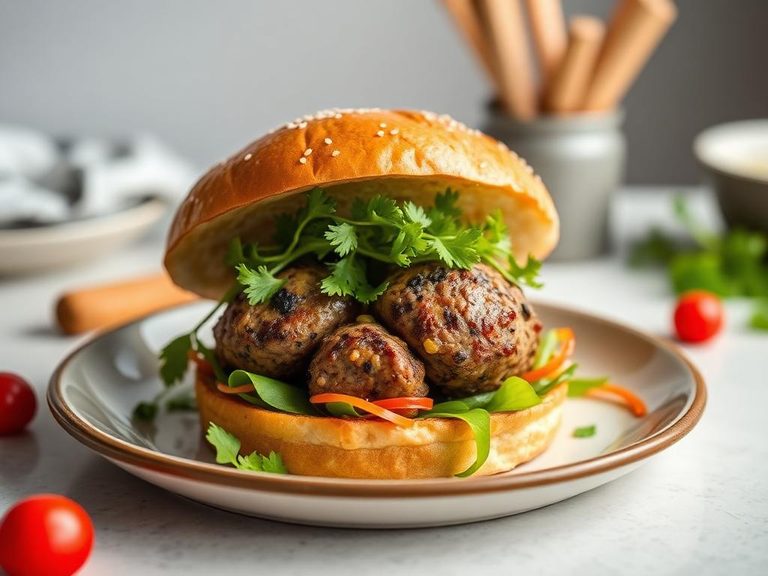 Okara Burgers or Meatballs
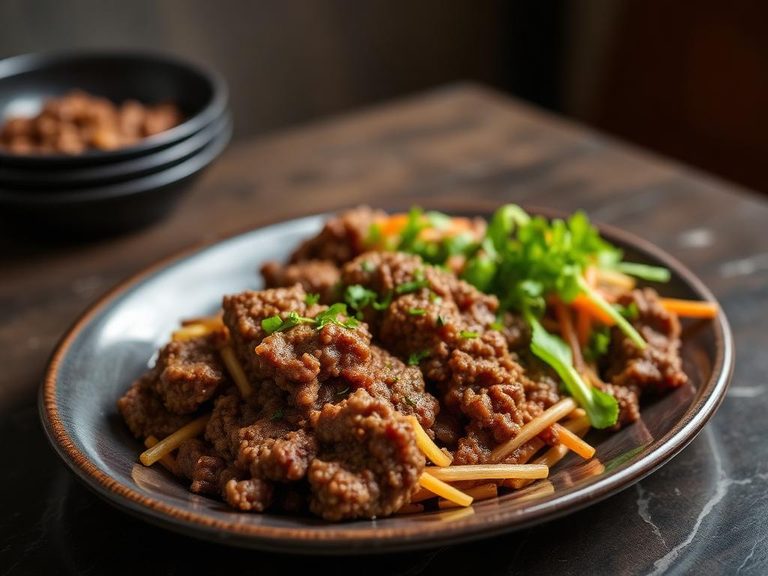 Meat extenders in ground meat dishes
 Added to Homemade Baby Formula
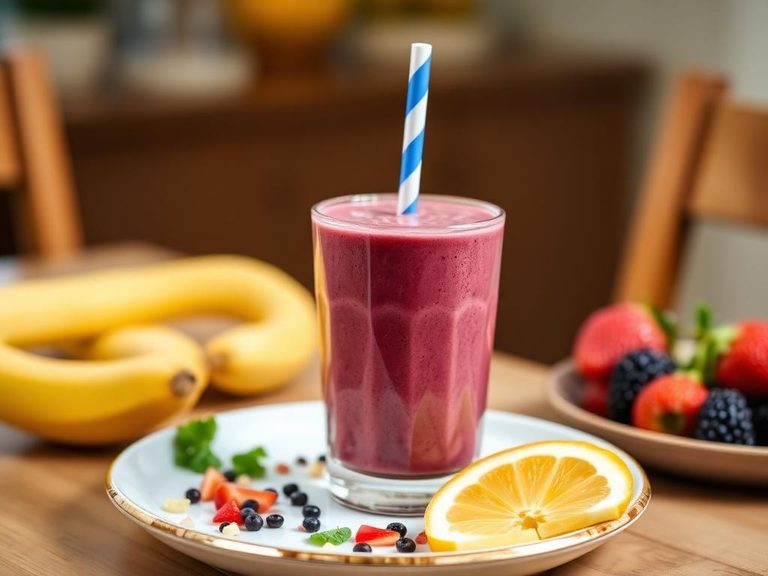 Added to smoothies for toddlers transitioning off formula
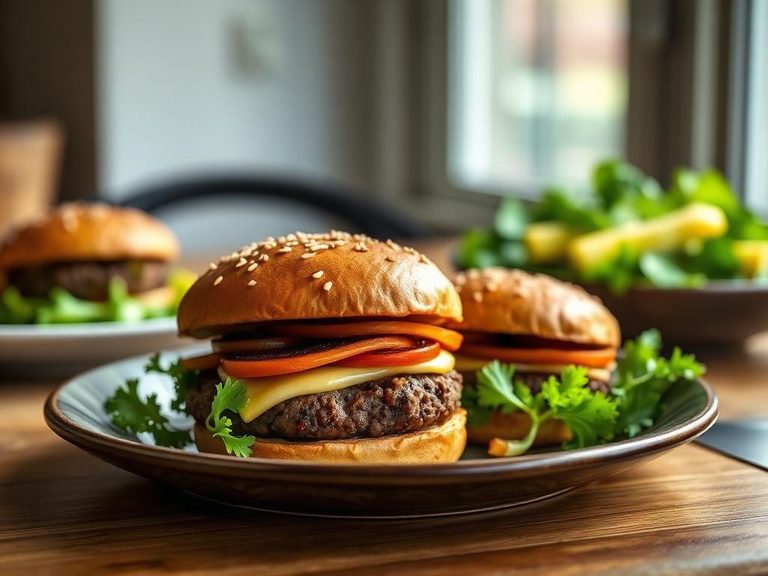 Soy-based meat analogues and veggie burgers
 Meat extenders in burgers or sausages