Added to smoothies for toddlers transitioning off formula
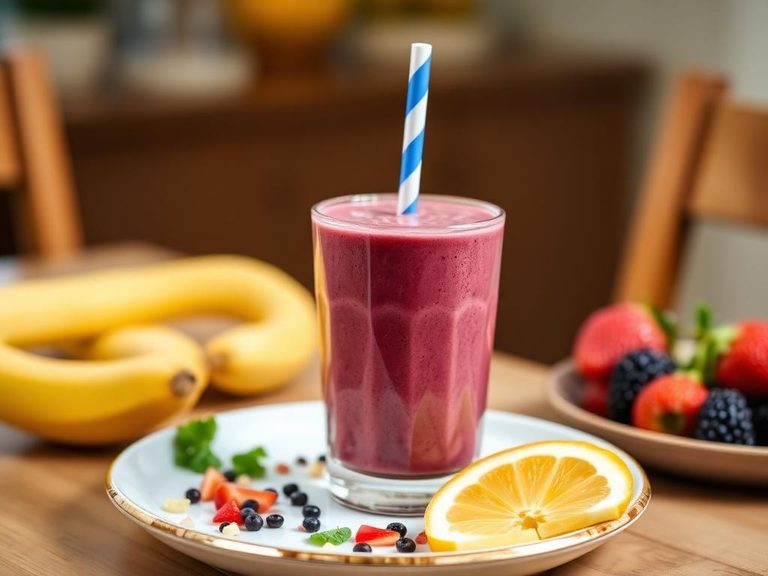
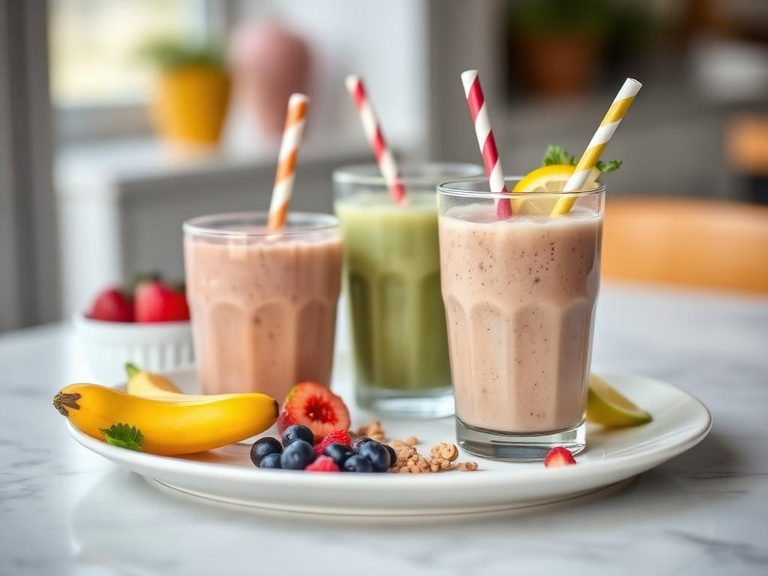
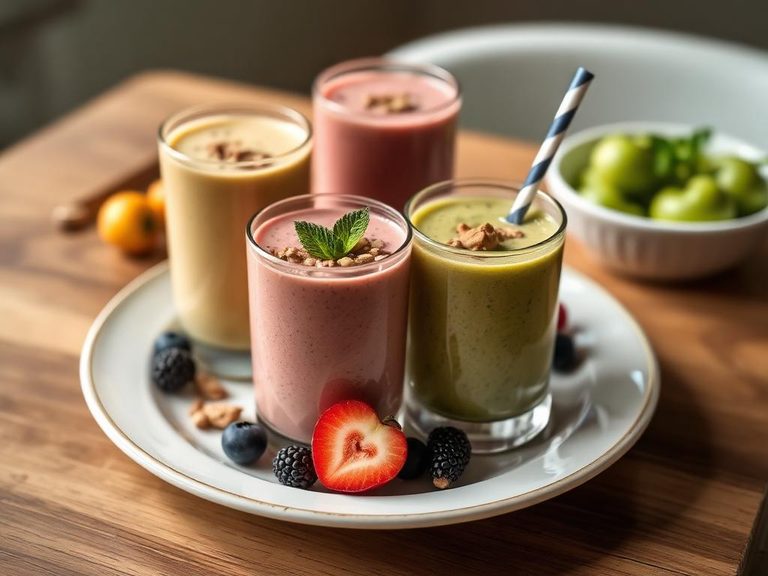
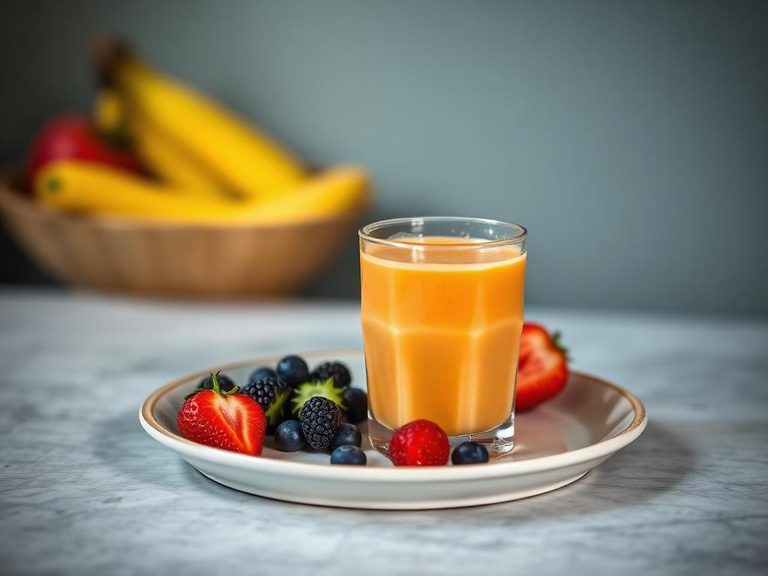
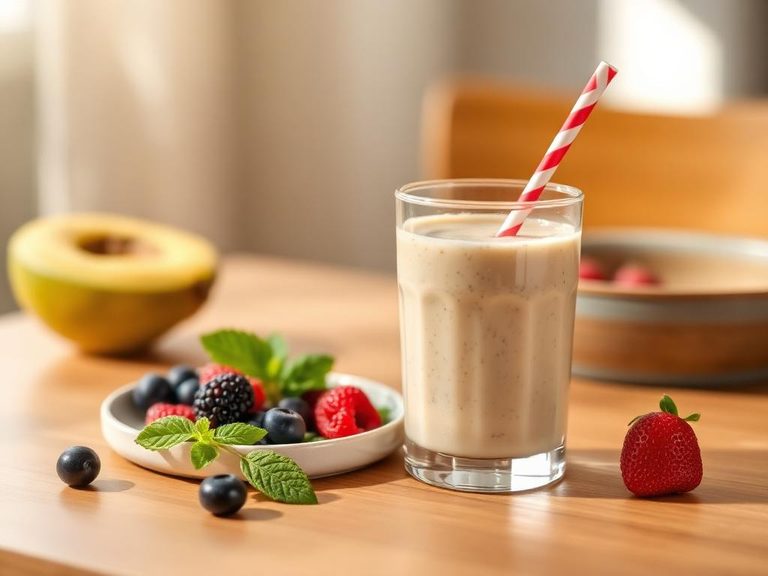
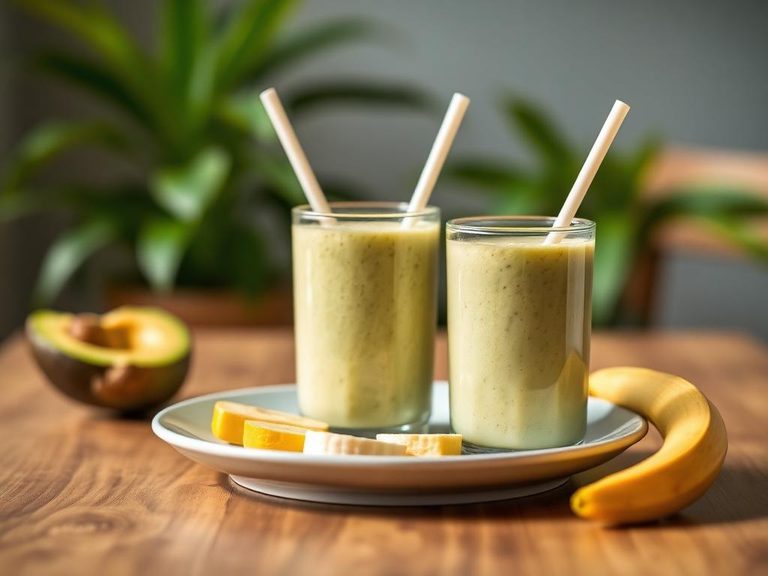
This is a nutrient-dense smoothie blend designed for toddlers transitioning from formula, typically made with a base of whole milk or fortified plant milk, banana, avocado, and a mild protein source like Greek yogurt or silken tofu. It often includes iron-fortified infant cereal or a handful of spinach for added nutrition without a strong taste. The dish is a modern, adaptable staple in many households, particularly popular in North America and Europe as a practical way to ensure balanced nutrition during weaning.
🍽️ Nutrition at a glance
This smoothie is balanced, providing healthy fats, moderate carbohydrates, and protein crucial for growth. A typical serving is a good source of calcium, potassium, and often added iron and vitamin D, with a calorie range of 180-220 kcal per cup.
Nutrition breakdown
| Calories | 200 kcal |
| Protein | 8 g |
| Carbs | 24 g |
| Fat | 9 g |
| Fiber | 3 g |
| Sugar | 14 g |
| Sodium | 80 mg |
| Calcium | 200 mg |
| Potassium | 400 mg |
| Vitamin D | 2.5 mcg |
| Iron | 2 mg |
| Vitamin A | 120 mcg |
| Vitamin C | 15 mg |
| Phosphorus | 180 mg |
| Magnesium | 30 mg |
Per 1 cup (240 g) · estimated, varies by recipe
💡 What's interesting
Nutritionally, it's a clever 'stealth health' vehicle, allowing caregivers to pack in vegetables like spinach or kale without a noticeable change in taste or color for picky eaters. Culturally, it represents the modern, science-informed approach to infant feeding, prioritizing nutrient density and allergen introduction in a familiar, drinkable form.