Added to smoothies for toddlers
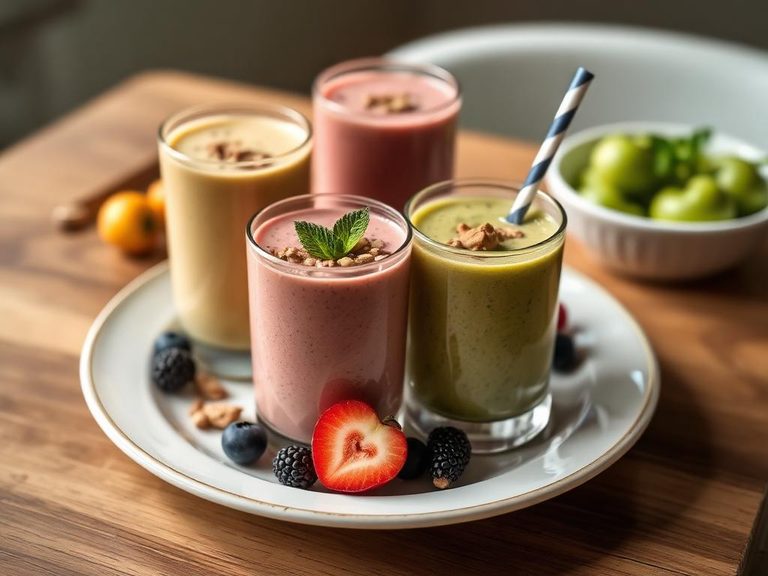
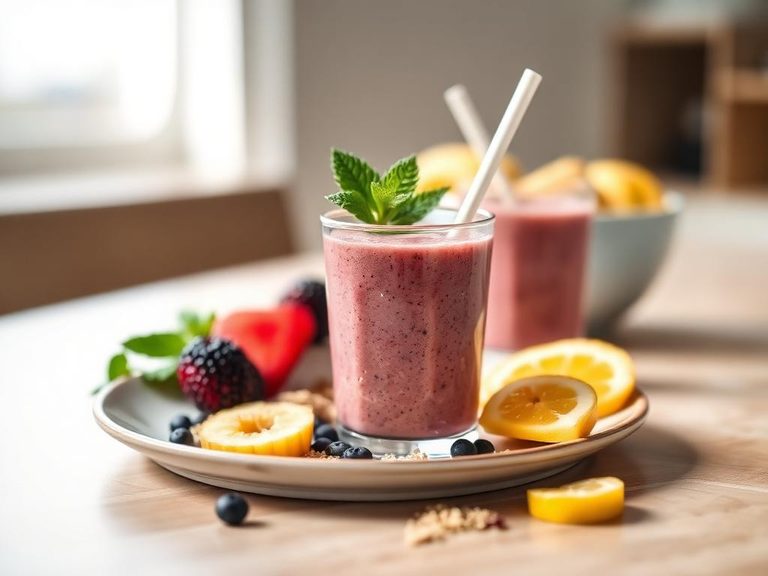
This isn't a standalone dish, but a common practice of blending nutrient-dense ingredients into smoothies for toddlers. Popular additions include fruits like bananas, mangoes, or berries, vegetables like spinach or avocado, and bases like yogurt or milk. The concept is universal, with parents worldwide customizing blends to suit local tastes and nutritional needs.
🍽️ Nutrition at a glance
A typical toddler smoothie is a balanced mix of carbohydrates from fruit, protein from yogurt or milk, and healthy fats from ingredients like avocado or nut butter. It's a calorie-efficient way to pack in vitamins, minerals, and fiber, with a single serving often providing 150-250 calories depending on the specific ingredients.
Nutrition breakdown
| Calories | 180 kcal |
| Protein | 6 g |
| Carbs | 30 g |
| Fat | 4 g |
| Fiber | 4 g |
| Sugar | 18 g |
| Sodium | 60 mg |
| Potassium | 450 mg |
| Calcium | 150 mg |
| Vitamin A | 120 mcg |
| Vitamin C | 15 mg |
| Magnesium | 40 mg |
| Phosphorus | 120 mg |
| Vitamin B6 | 0.3 mg |
| Folate | 40 mcg |
Per 1 cup (240 g) of a typical banana-spinach-yogurt blend · estimated, varies by recipe
💡 What's interesting
The practice of blending foods for young children is a modern adaptation of age-old feeding traditions, making nutrients more accessible and palatable. Nutritionally, it's unique because it allows for the strategic combination of ingredients (e.g., vitamin C from fruit to boost iron absorption from spinach) in a format toddlers often enjoy.
🍽️ Related dishes
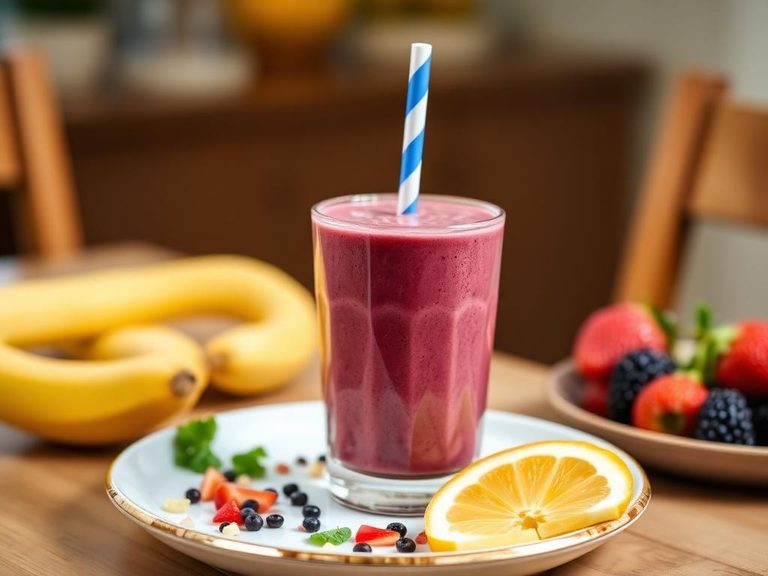 Added to smoothies for toddlers transitioning off formula
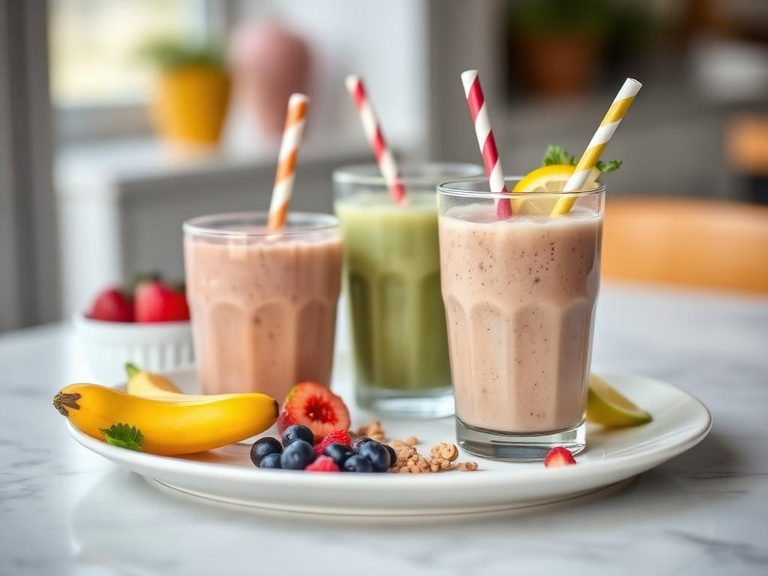 Added to smoothies for older toddlers
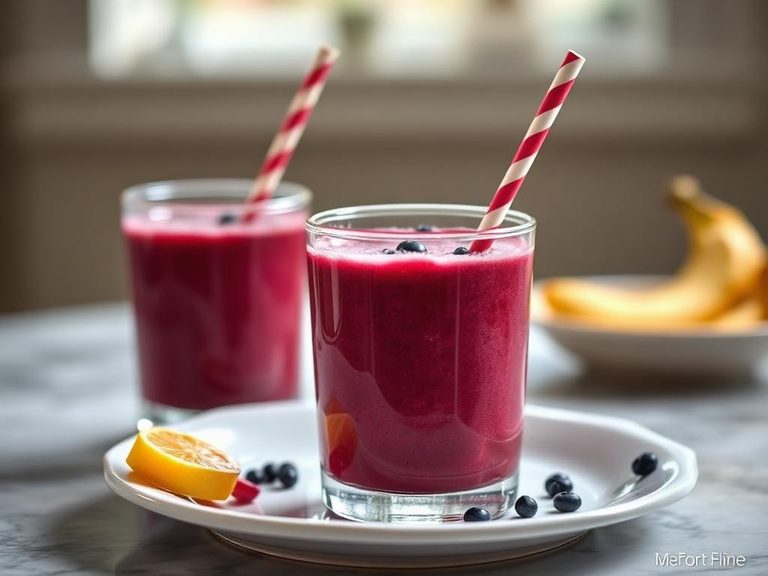 Fortified smoothies for toddlers
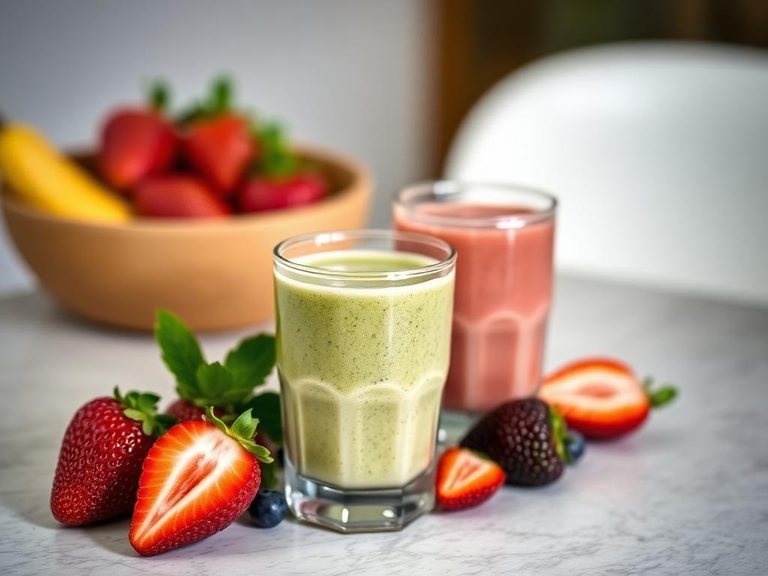 Blended into fruit smoothies for older toddlers
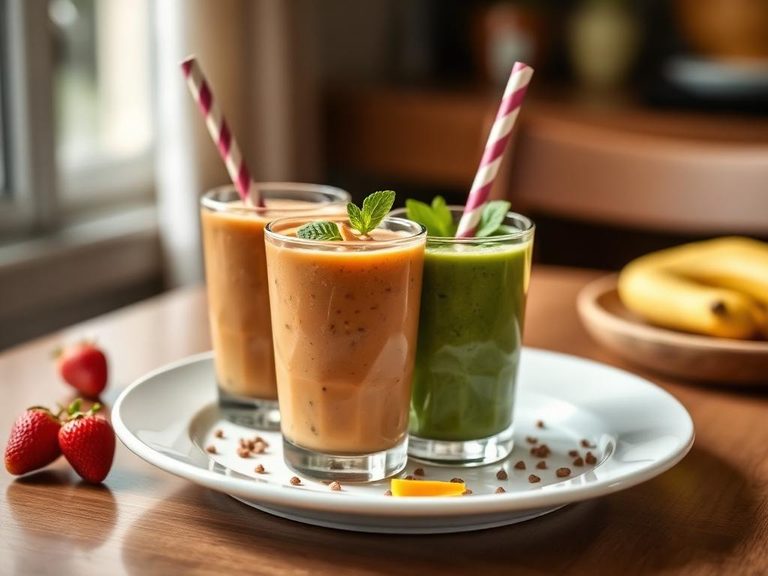 Stirred into smoothies for toddlers
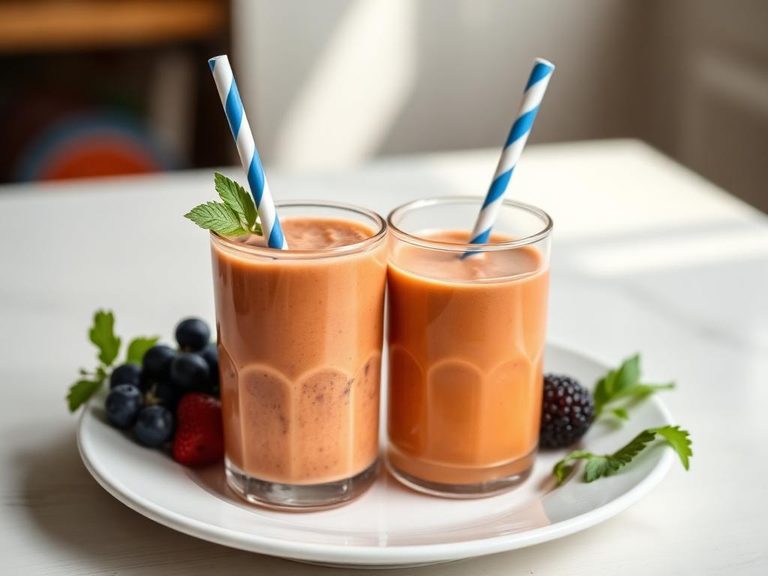 Used as a base for smoothies for older toddlers
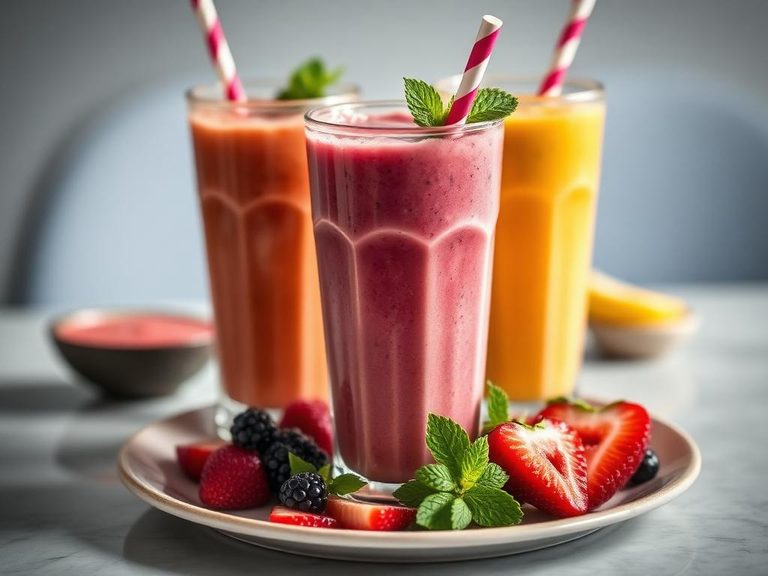 Blended into smoothies for toddlers
 As a base for soothing smoothies for older toddlers