Blended into fruit smoothies for older toddlers
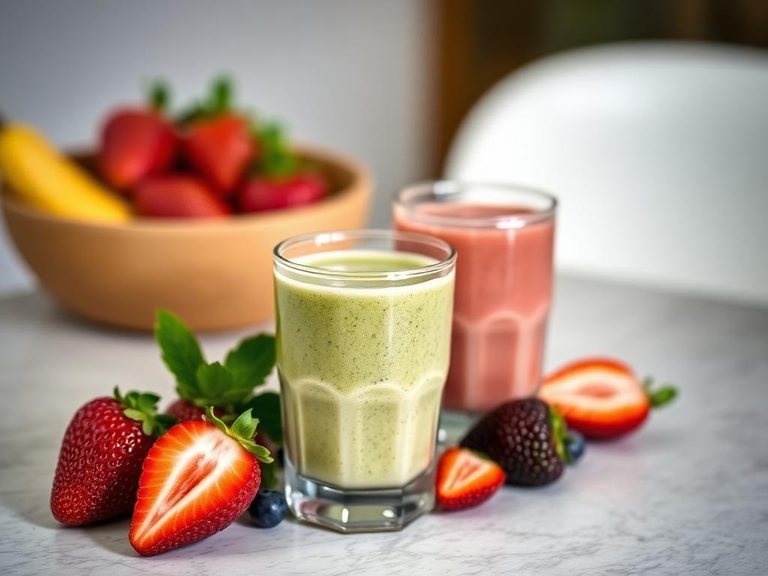
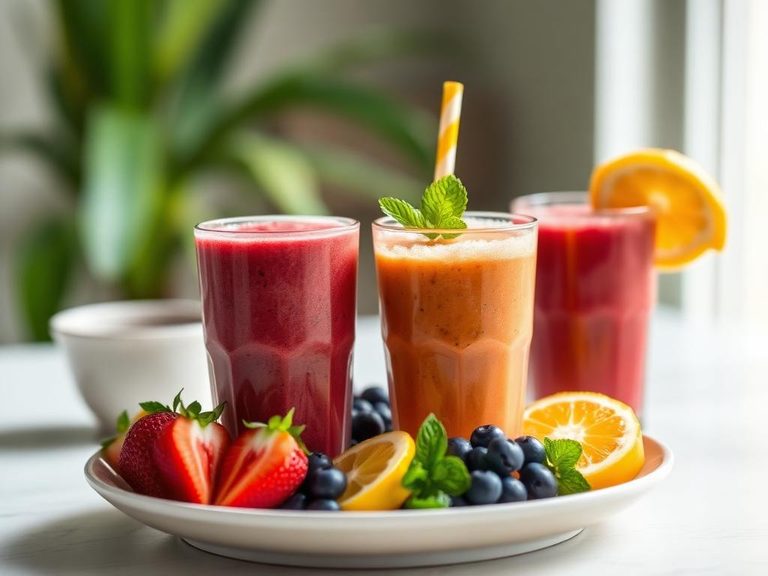
This is a nutrient-dense fruit smoothie specifically formulated for older toddlers, typically featuring a base of mashed or blended ripe fruits like banana, mango, and berries. It often includes a creamy element such as full-fat yogurt or avocado for healthy fats and may incorporate mild-flavored vegetables like spinach for added nutrition. The dish is a modern, child-friendly adaptation of the global smoothie trend, designed to be palatable and easy for young children to consume.
🍽️ Nutrition at a glance
This smoothie is primarily a source of carbohydrates from natural fruit sugars and fiber, with moderate healthy fats if yogurt or avocado is included. It provides key nutrients like potassium, vitamin C, and vitamin A, and a typical 1-cup serving generally ranges from 150 to 200 calories.
Nutrition breakdown
| Calories | 175 kcal |
| Protein | 5 g |
| Carbs | 32 g |
| Fat | 4 g |
| Fiber | 4 g |
| Sugar | 24 g |
| Sodium | 45 mg |
| Vitamin C | 45 mg |
| Potassium | 420 mg |
| Vitamin A | 180 mcg RAE |
| Calcium | 100 mg |
| Vitamin B6 | 0.3 mg |
| Magnesium | 30 mg |
| Folate | 50 mcg DFE |
| Vitamin K | 15 mcg |
Per 1 cup (240 g) · estimated, varies by recipe
💡 What's interesting
Culturally, this represents the adaptation of adult wellness trends into pediatric nutrition, focusing on whole-food ingredients. Nutritionally, it's a strategic way to combine multiple food groups into a single, palatable serving, helping toddlers meet their daily fruit and vegetable intake goals.
🍽️ Related dishes
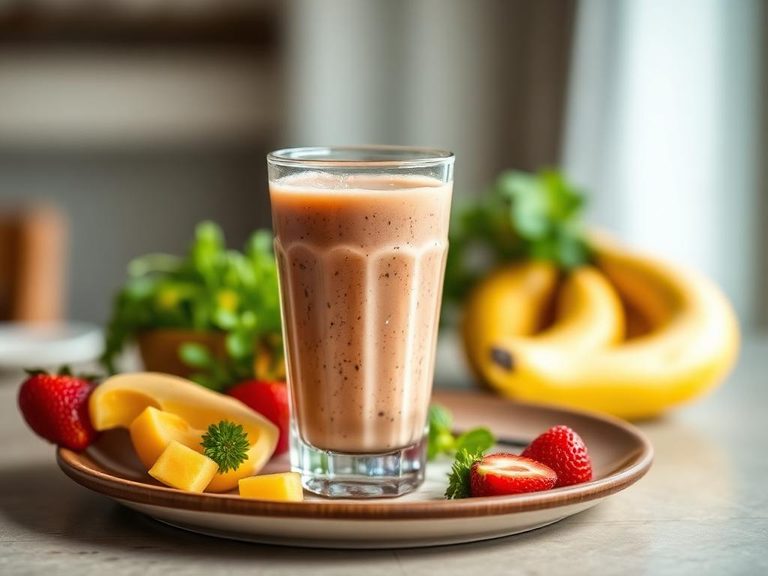 Blended into a smoothie for older toddlers
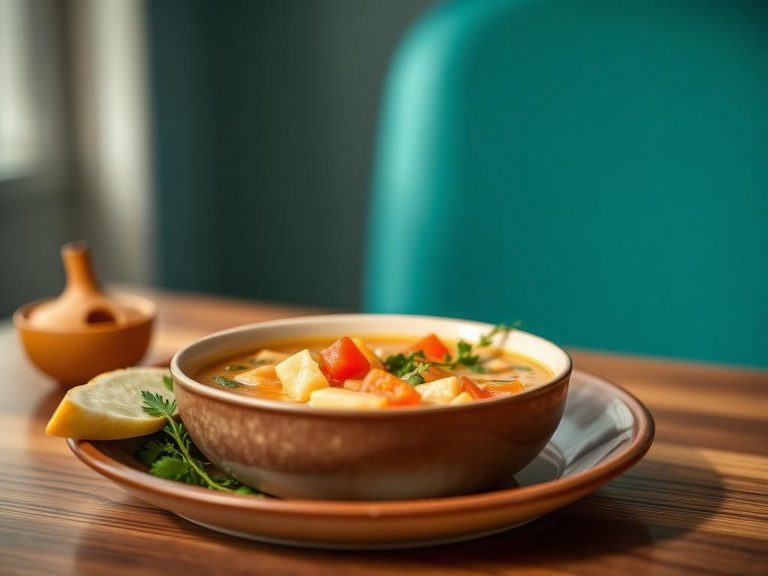 Blended into a mild soup for older toddlers
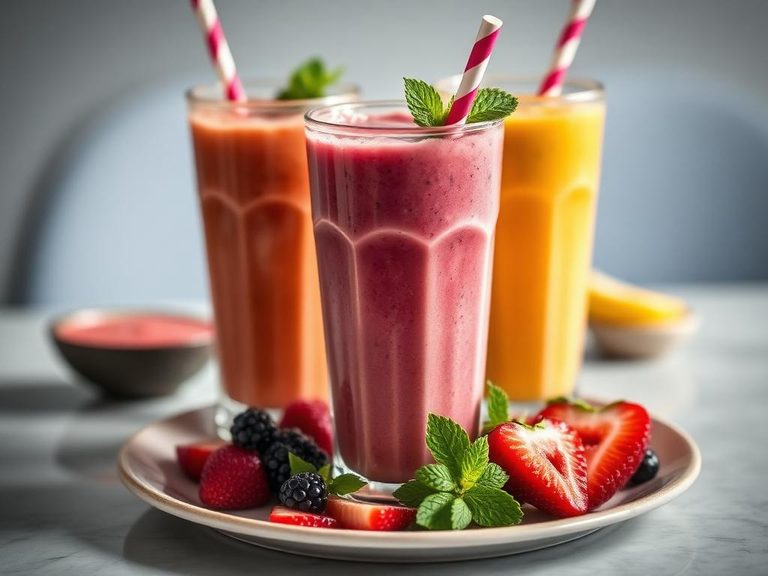 Blended into smoothies for toddlers
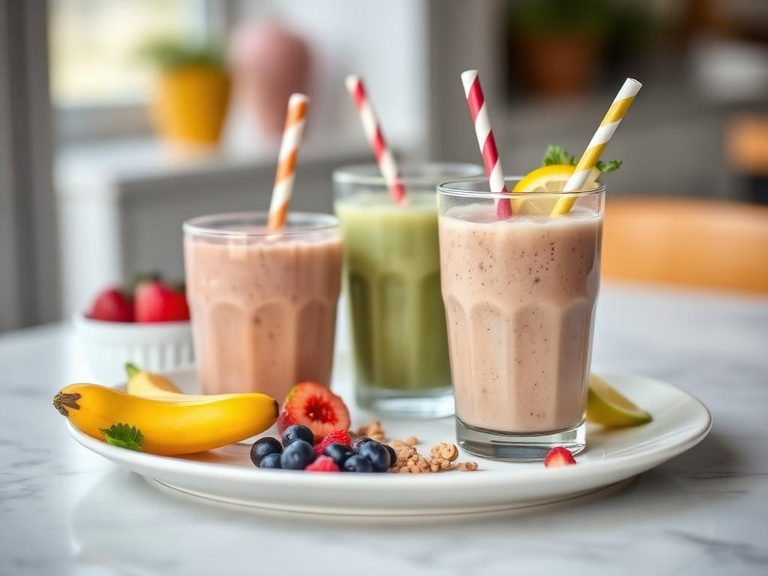 Added to smoothies for older toddlers
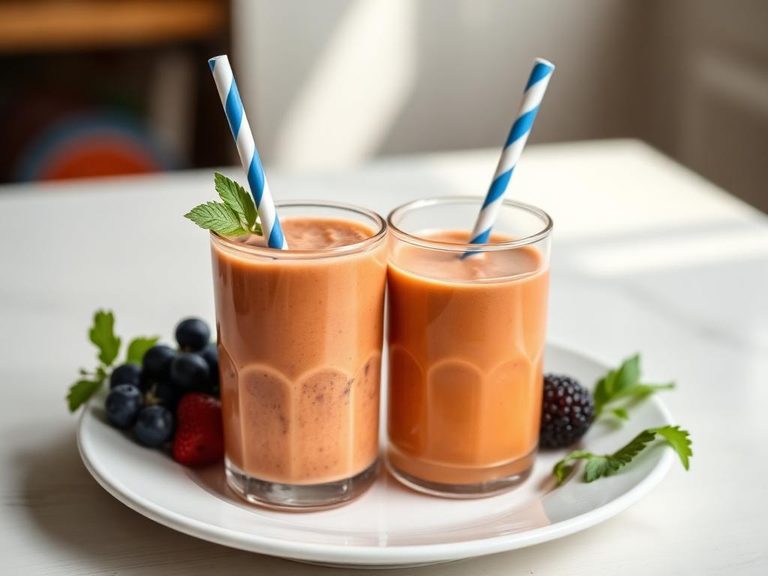 Used as a base for smoothies for older toddlers
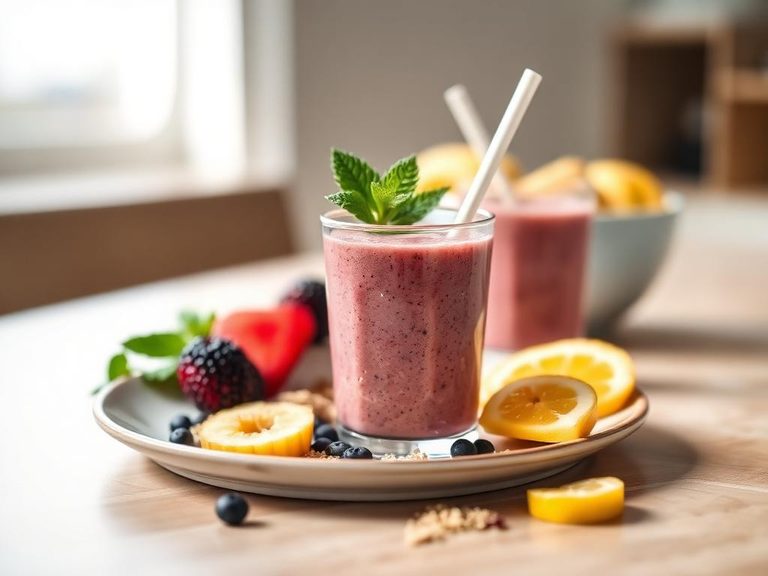 As a base for soothing smoothies for older toddlers
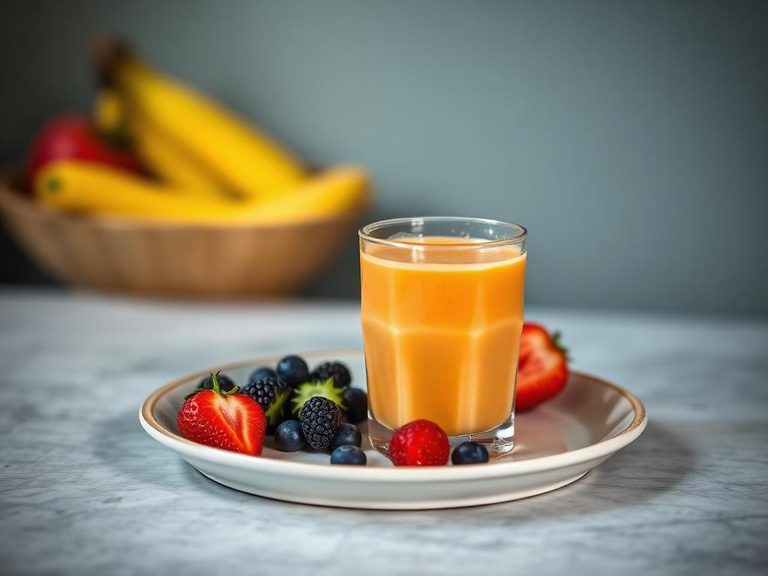 Formula-based smoothie for older toddlers
 Blended into fruit smoothies