Added to smoothies for older toddlers
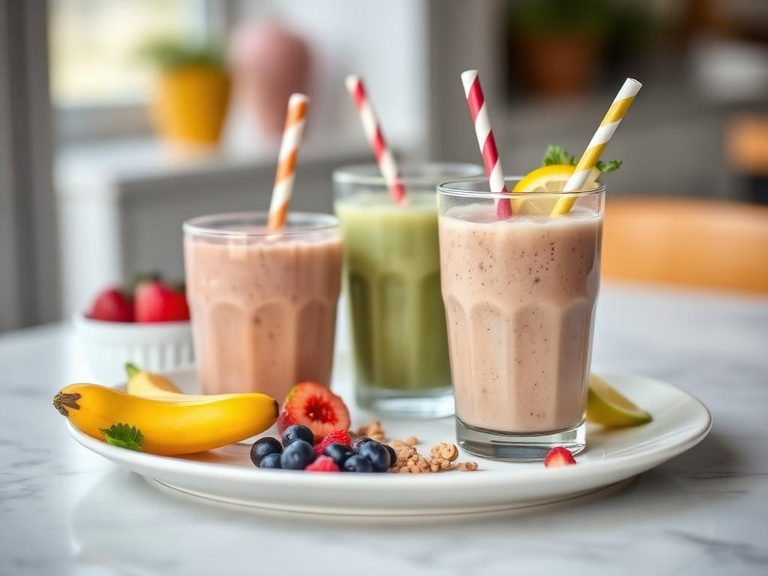
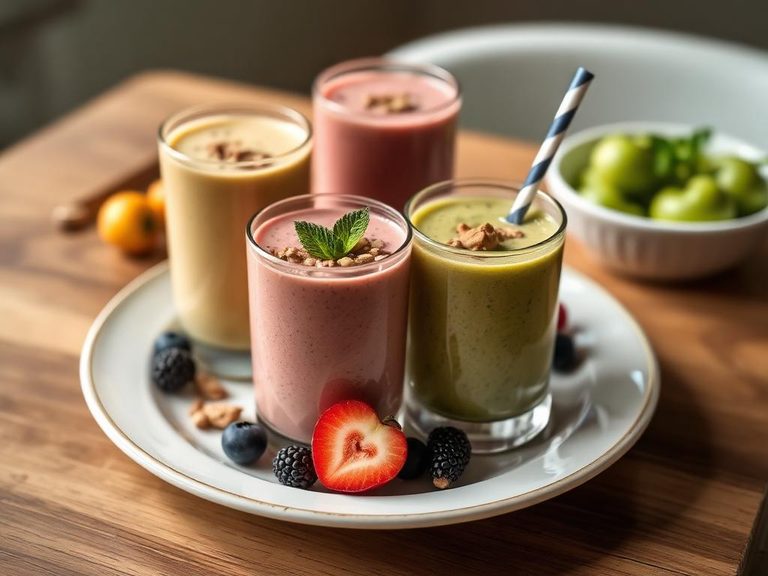
This is not a single dish, but a popular nutritional strategy for older toddlers (ages 1-3) where nutrient-dense foods are blended into smoothies. Common additions include avocado, nut butters, spinach, and full-fat yogurt to boost calorie and nutrient content without altering the familiar sweet taste. The practice is widespread in modern parenting, particularly in Western countries, to help meet the high energy demands of active toddlers.
🍽️ Nutrition at a glance
These additions significantly increase the smoothie's healthy fats, protein, and fiber content, making it a more balanced and satiating meal or snack. A typical serving can range from 150 to 300 calories, providing key nutrients like potassium, calcium, and healthy fats crucial for brain development.
Nutrition breakdown
| Calories | 90 kcal |
| Protein | 1.5 g |
| Carbs | 20 g |
| Fat | 0.5 g |
| Fiber | 2.5 g |
| Sugar | 12 g |
| Sodium | 5 mg |
| Potassium | 350 mg |
| Vitamin C | 15 mg |
| Vitamin A | 120 mcg RAE |
| Folate | 40 mcg |
| Vitamin K | 15 mcg |
| Magnesium | 20 mg |
| Manganese | 0.3 mg |
| Vitamin B6 | 0.1 mg |
Per 1/2 cup (120 g) · estimated, varies by recipe
💡 What's interesting
This approach cleverly uses a toddler's preference for sweet, drinkable foods to sneak in vegetables and healthy fats, a practice often called 'food blending' or 'stealth health.' It reflects a modern nutritional focus on nutrient density and healthy fats for early childhood development, moving beyond simple fruit-based purees.
🍽️ Related dishes
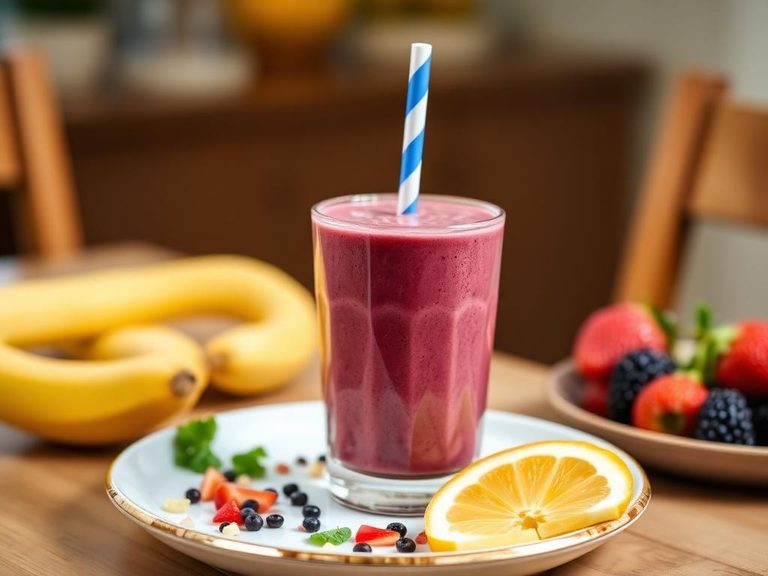 Added to smoothies for toddlers transitioning off formula
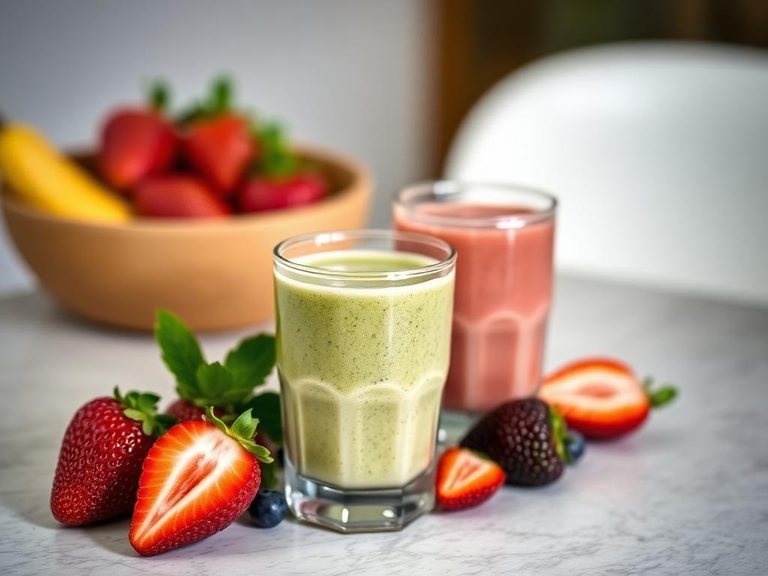 Blended into fruit smoothies for older toddlers
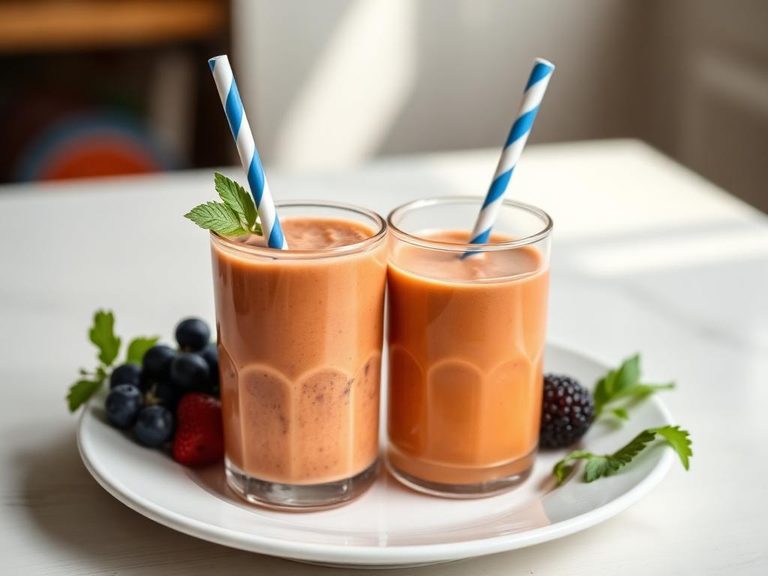 Used as a base for smoothies for older toddlers
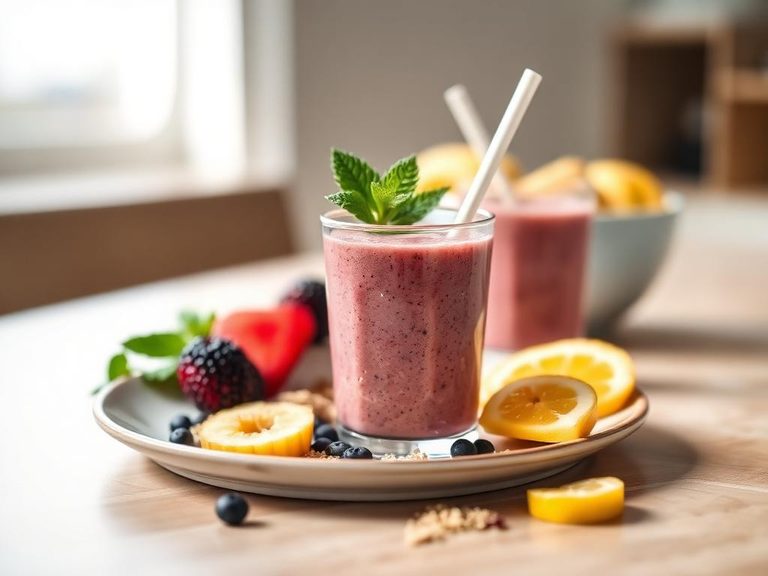 As a base for soothing smoothies for older toddlers
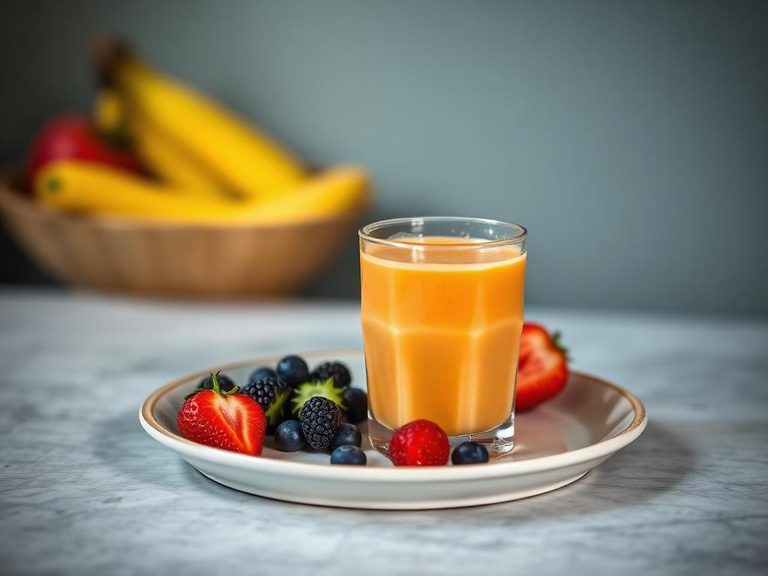 Formula-based smoothie for older toddlers
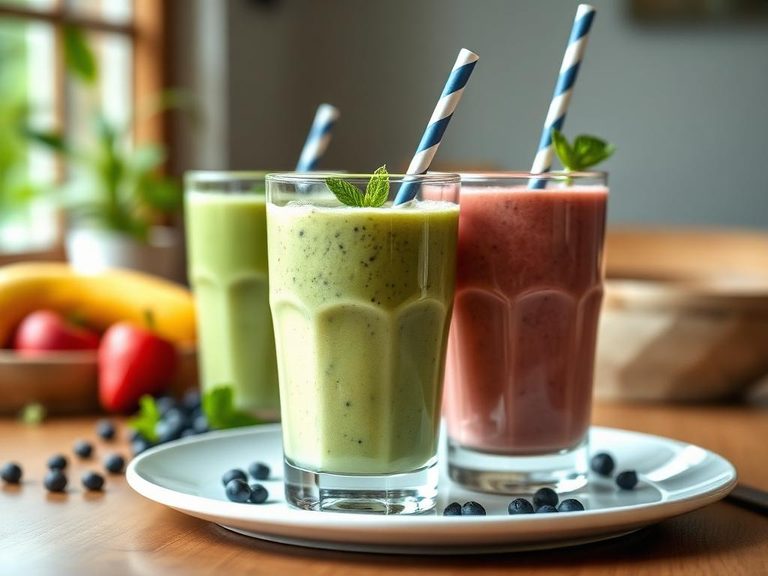 Added to smoothies for older babies
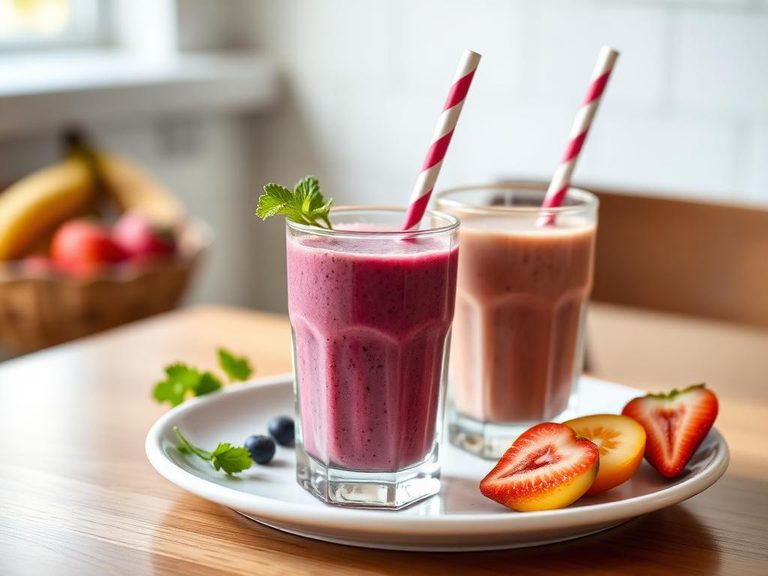 Added to smoothies for older children
 Added to smoothies for toddlers