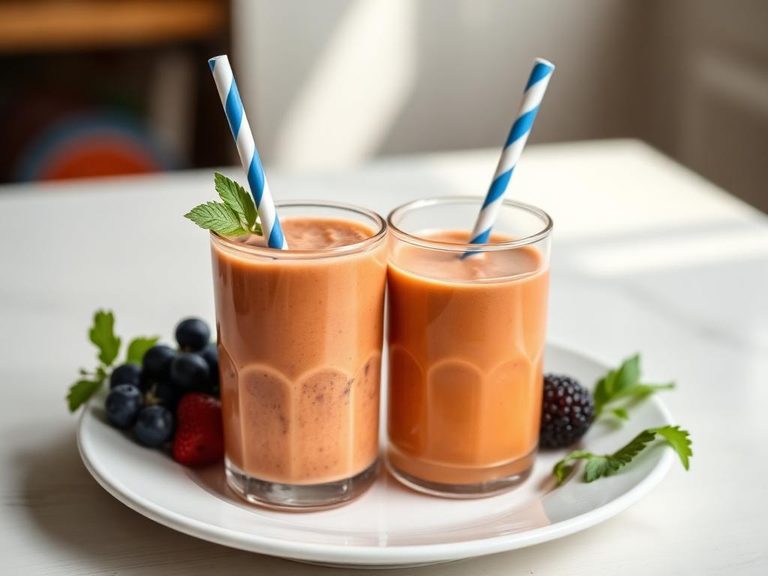
Added to smoothies for older children
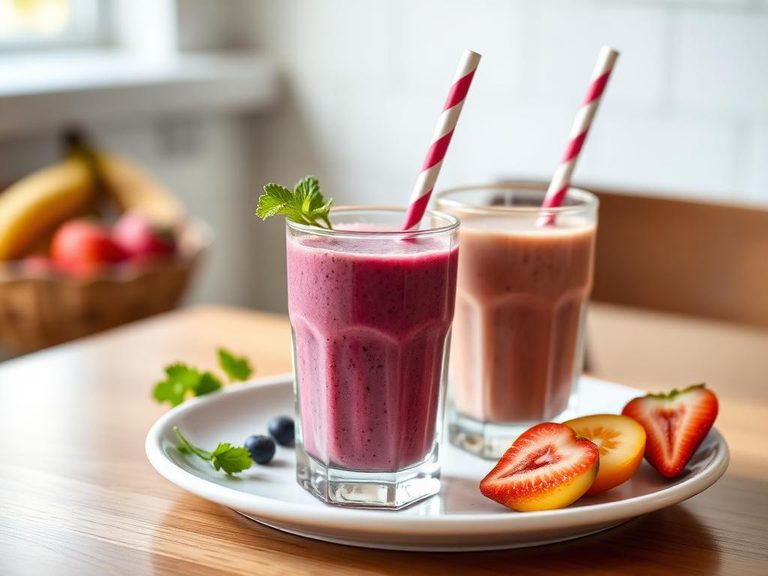
This is not a single dish but a versatile smoothie base or additive, typically a fruit or vegetable puree, designed to boost nutrition for older children. Common ingredients include mild-tasting fruits like bananas, mangoes, or pears, and nutrient-dense greens like spinach, often blended with a liquid such as milk or yogurt. It's a modern, adaptable concept popular in health-conscious households worldwide.
🍽️ Nutrition at a glance
This additive is generally high in carbohydrates from natural sugars and fiber, with minimal fat and protein unless combined with dairy or protein-rich ingredients. It provides a concentrated source of vitamins (like A, C, and K), minerals (like potassium), and antioxidants, with a typical 1-cup serving ranging from 80 to 150 calories depending on the specific ingredients.
Nutrition breakdown
| Calories | 120 kcal |
| Protein | 3 g |
| Carbs | 27 g |
| Fat | 1 g |
| Fiber | 4 g |
| Sugar | 18 g |
| Sodium | 40 mg |
| Potassium | 450 mg |
| Vitamin A | 180 mcg RAE |
| Vitamin C | 15 mg |
| Vitamin K | 90 mcg |
| Folate | 60 mcg DFE |
| Magnesium | 40 mg |
| Manganese | 0.5 mg |
| Vitamin B6 | 0.3 mg |
Per 1 cup (240 g) of a typical banana-spinach smoothie blend · estimated, varies by recipe
💡 What's interesting
Nutritionally interesting because it's a stealthy way to increase a child's intake of fruits and vegetables, leveraging the natural sweetness of fruit to mask greens. Culturally, it reflects a modern focus on functional foods and personalized nutrition, allowing parents to tailor nutrient profiles to a child's specific needs with pediatrician guidance.
🍽️ Related dishes
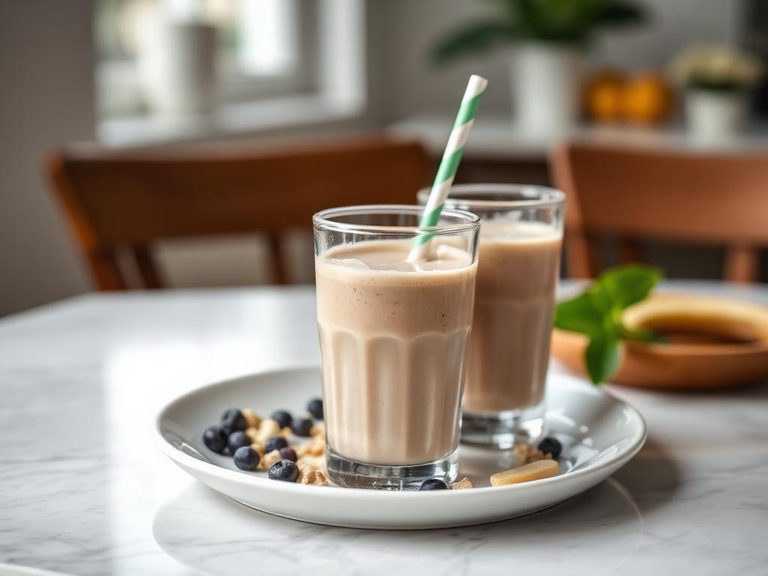 Used in specialized medical nutrition shakes for older children
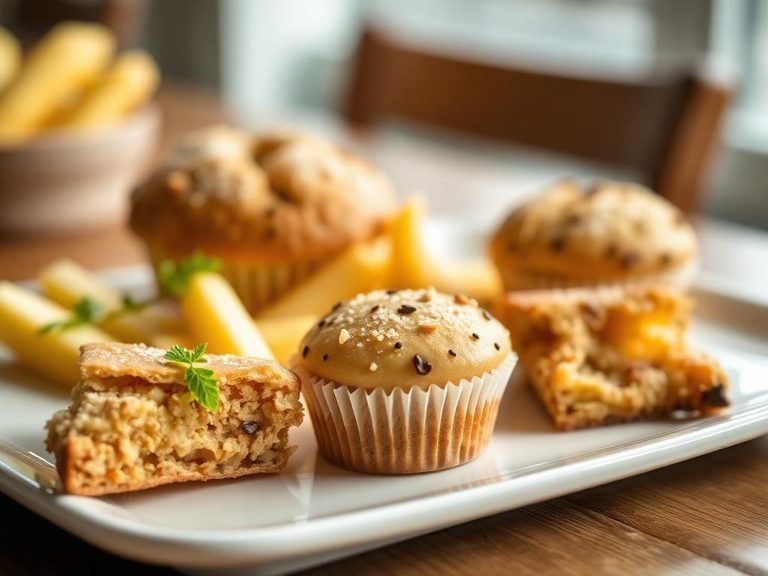 Ingredient in baked goods for older children
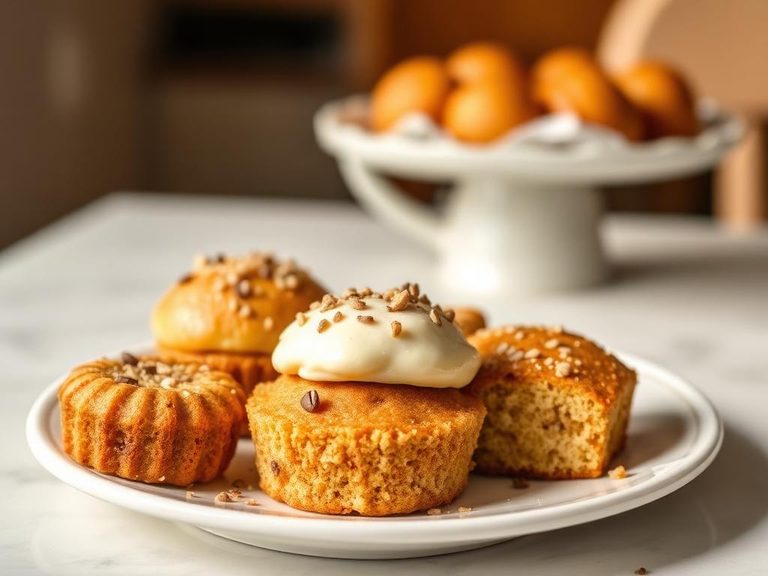 Incorporated into baked goods for older children
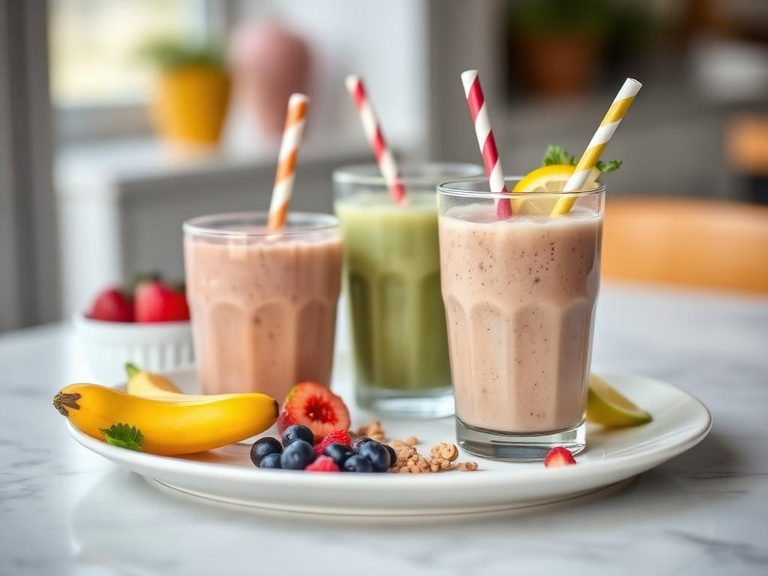 Added to smoothies for older toddlers
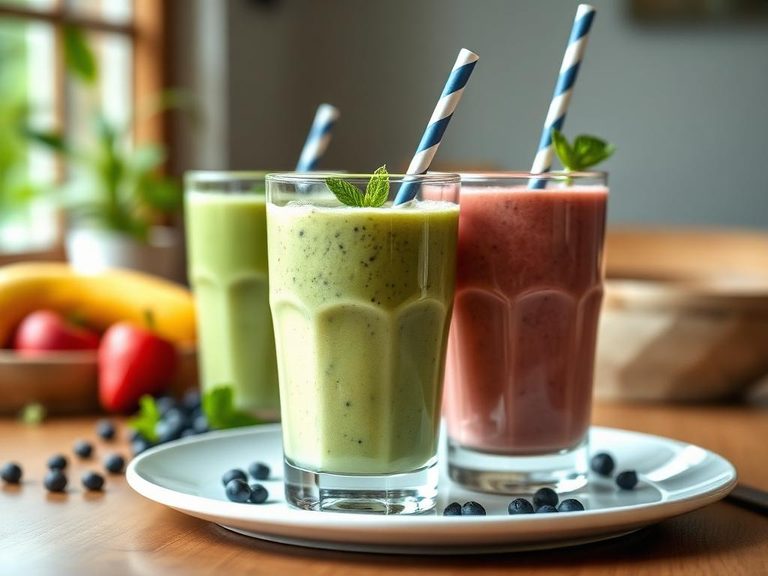 Added to smoothies for older babies
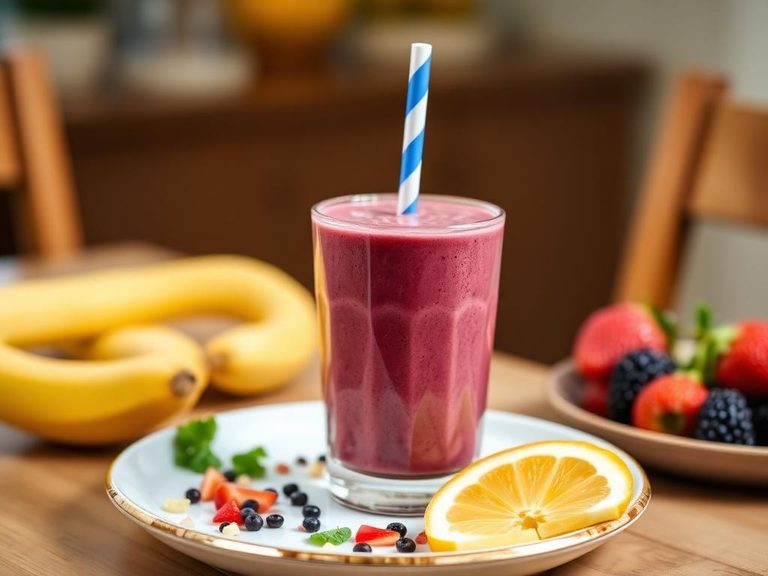 Added to smoothies for toddlers transitioning off formula
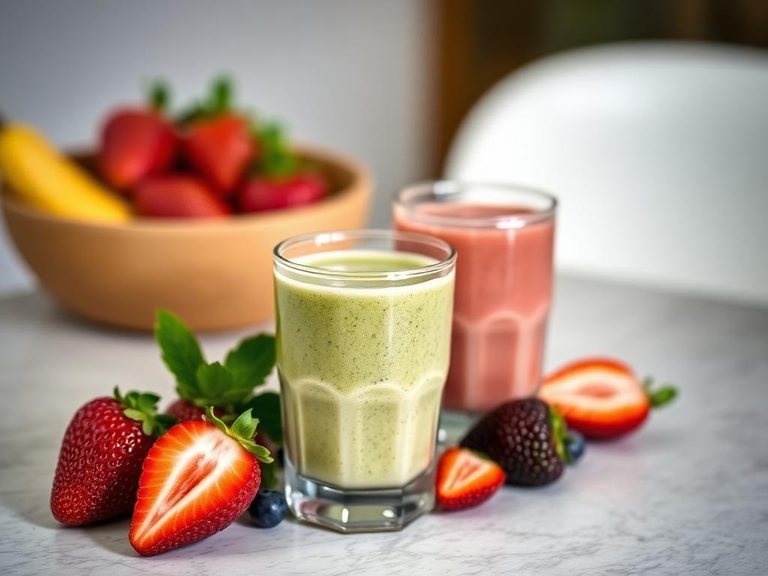 Blended into fruit smoothies for older toddlers
 Used as a base for smoothies for older toddlers