Incorporated into baked goods for older children
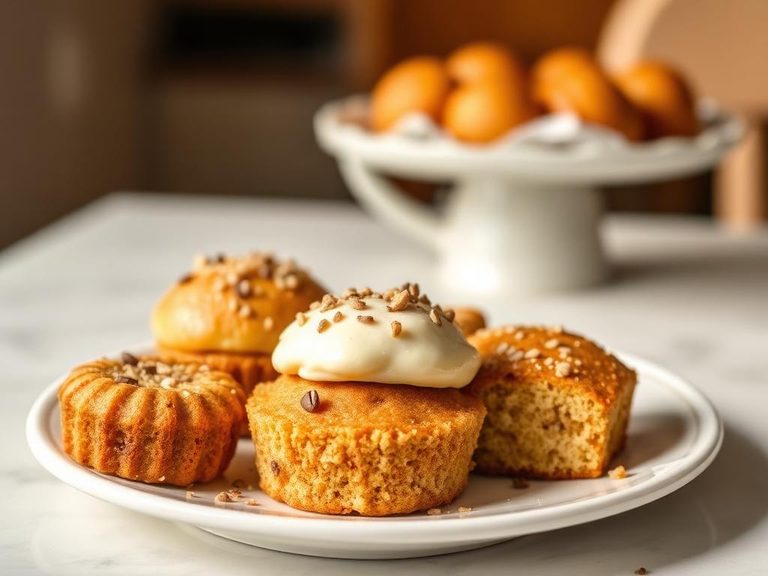
This dish refers to a variety of baked goods, such as muffins, bars, or cookies, specifically designed for older children (typically ages 8-12). They are made with wholesome ingredients like whole grain flours, oats, nuts, seeds, and often incorporate fruits or vegetables like carrots, applesauce, or pumpkin for added nutrition and flavor. The concept is popular in many Western countries, especially in home baking and school lunch programs.
🍽️ Nutrition at a glance
These baked goods are generally high in carbohydrates from whole grains and natural sugars, with a moderate amount of fat from nuts or oils, and a boost of protein from ingredients like eggs, nuts, or seeds. They provide key nutrients like fiber, iron, and B vitamins, with a typical homemade muffin or bar ranging from 150 to 250 calories per serving.
Nutrition breakdown
| Calories | 190 kcal |
| Protein | 5 g |
| Carbs | 28 g |
| Fat | 7 g |
| Fiber | 3 g |
| Sugar | 9 g |
| Sodium | 150 mg |
| Iron | 1.5 mg |
| Calcium | 60 mg |
| Potassium | 120 mg |
| Vitamin A | 45 mcg |
| Vitamin C | 2 mg |
| Magnesium | 25 mg |
| Phosphorus | 80 mg |
| Manganese | 0.4 mg |
Per 1 medium muffin (110 g) · estimated, varies by recipe
💡 What's interesting
Culturally, these recipes reflect a growing trend towards 'stealth health' in children's food, where nutritious ingredients are cleverly hidden in appealing treats. Nutritionally unique is the focus on sustained energy from complex carbs and fiber, making them a smarter snack choice than many commercial alternatives.
🍽️ Related dishes
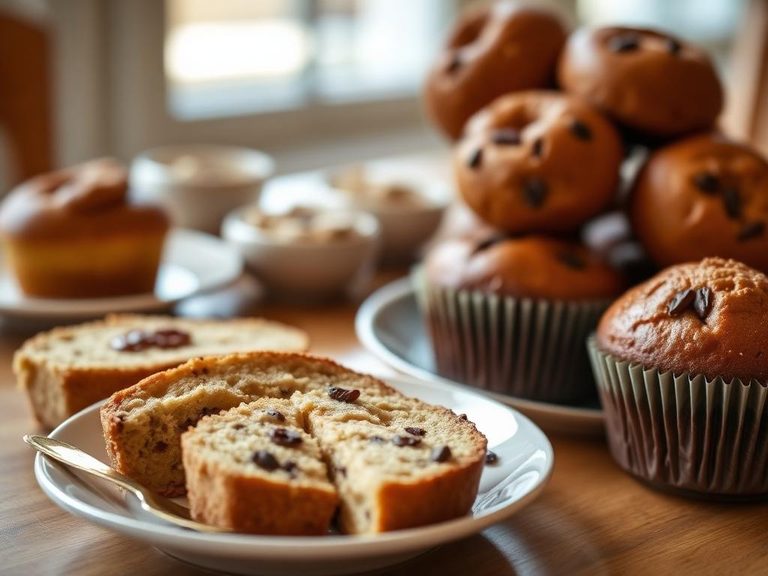 Incorporated into baked goods for children with allergies
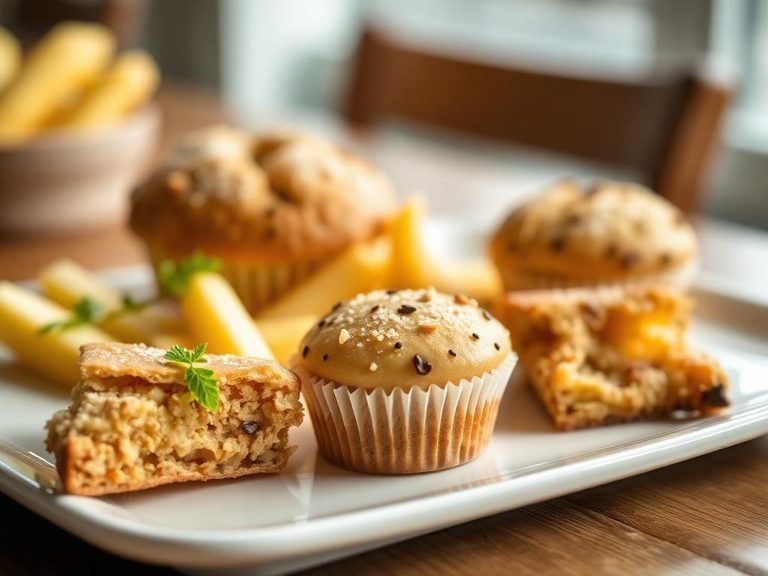 Ingredient in baked goods for older children
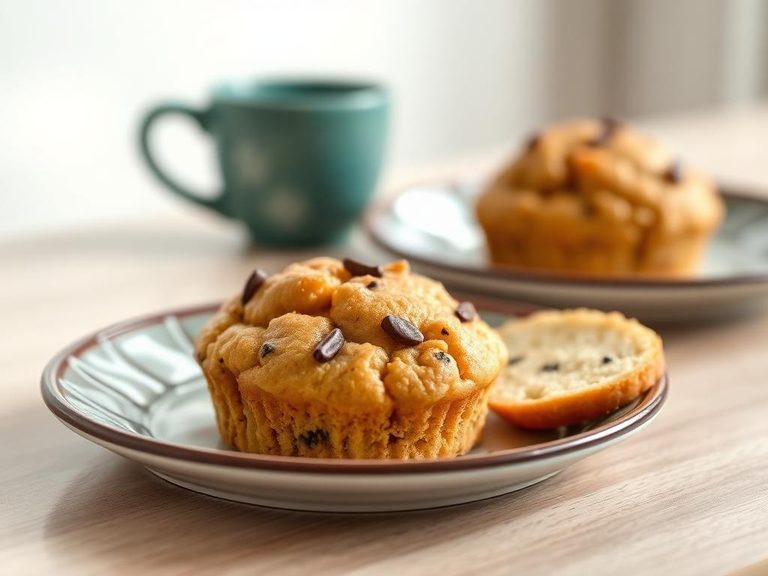 Formula incorporated into baked goods for toddlers
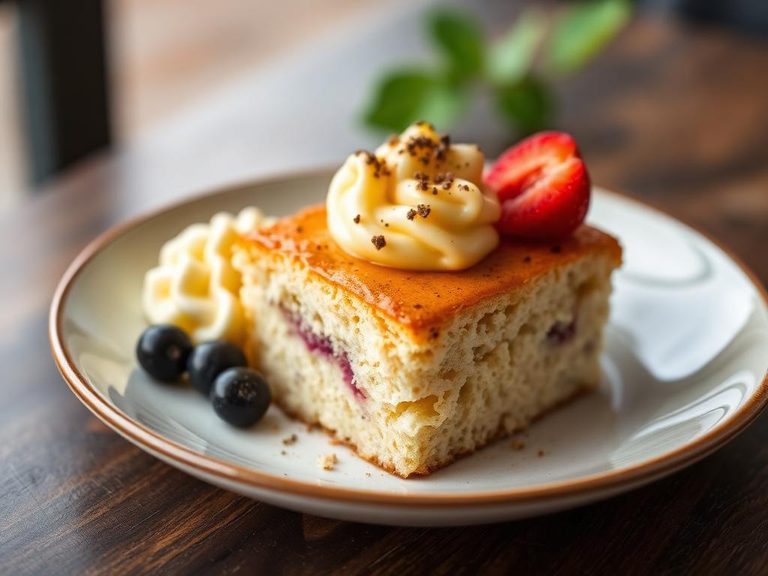 Incorporated into baked goods or desserts for a creamy, sweet flavor .
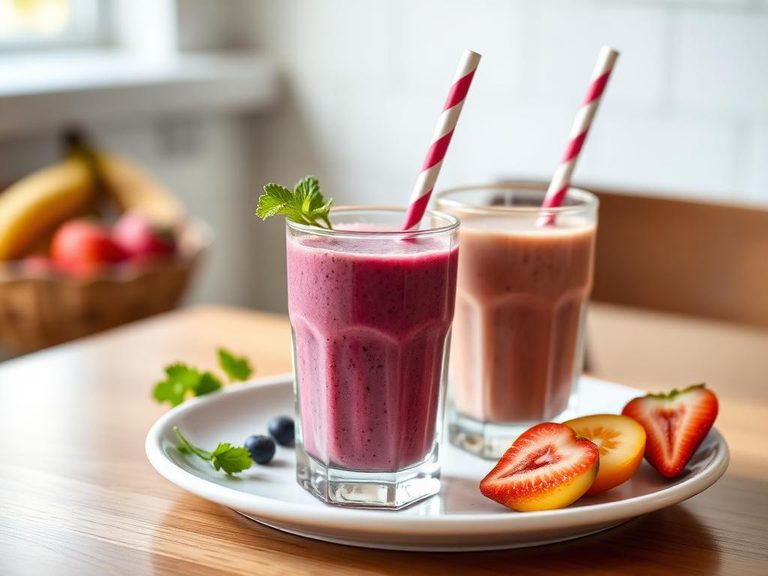 Added to smoothies for older children
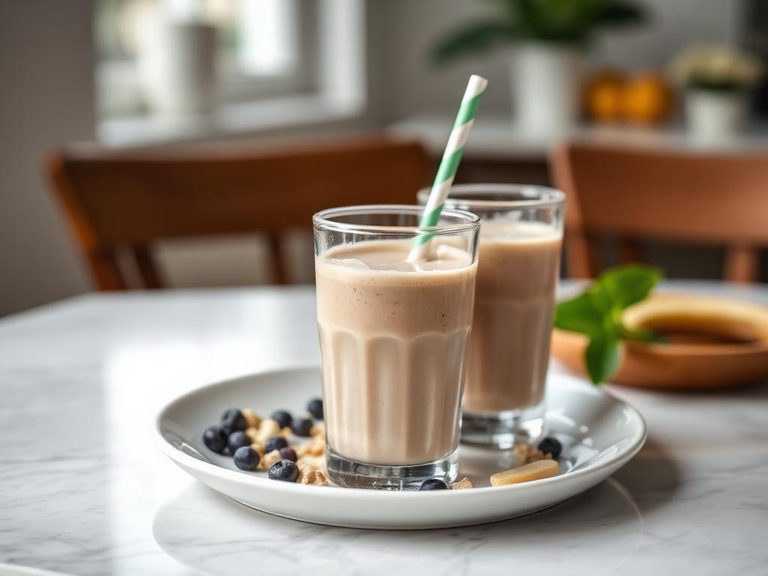 Used in specialized medical nutrition shakes for older children
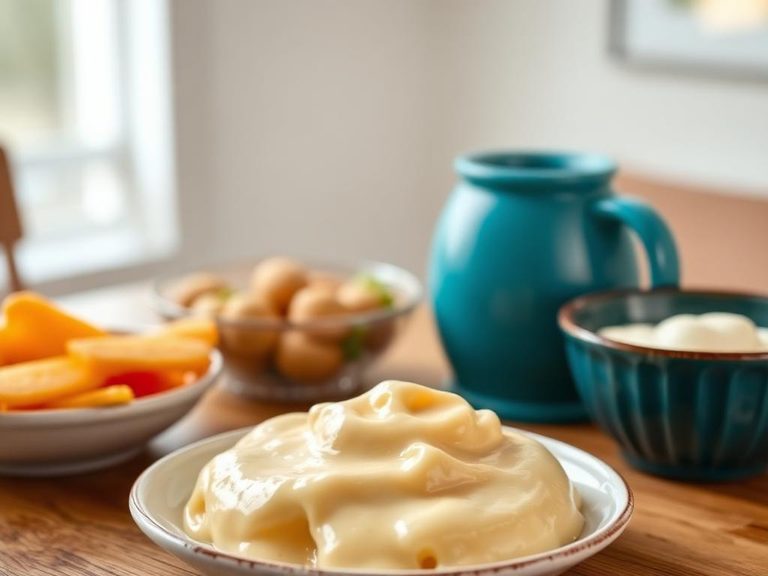 Incorporated into homemade infant formula recipes
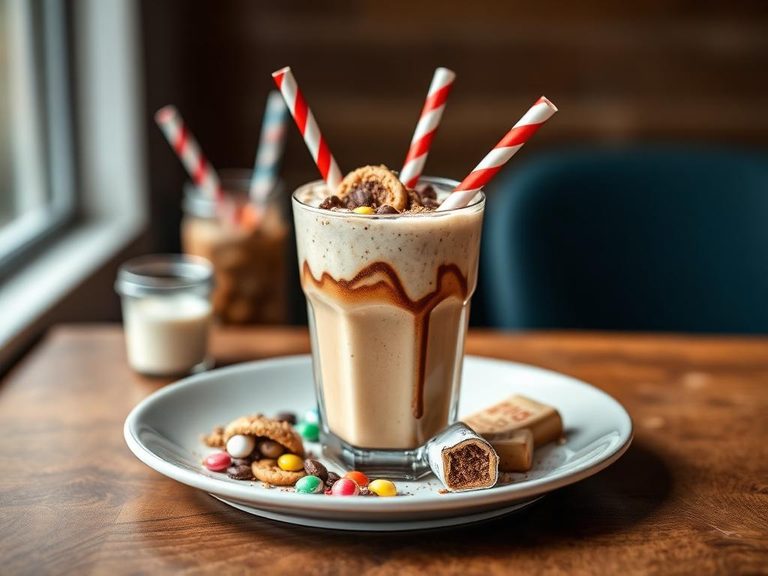 Incorporated into a candy bar milkshake