Incorporated into baked goods or desserts for a creamy, sweet flavor .

Sweetened condensed milk is a thick, viscous dairy product made by removing most of the water from regular milk and adding a significant amount of sugar. It is a staple ingredient in many desserts and baked goods, providing a rich, sweet, and creamy flavor. Originally popularized in Europe and North America, it is now a key component in cuisines worldwide, especially in Latin America and Southeast Asia.
🍽️ Nutrition at a glance
This ingredient is very high in carbohydrates (primarily sugar) and fat, with a moderate amount of protein. It is a calorie-dense food, with a single serving containing roughly 130 calories, and provides calcium and some vitamin A.
Nutrition breakdown
| Calories | 130 kcal |
| Protein | 2 g |
| Carbs | 22 g |
| Fat | 3.5 g |
| Fiber | 0 g |
| Sugar | 22 g |
| Sodium | 35 mg |
| Calcium | 80 mg |
| Vitamin A | 40 mcg |
| Phosphorus | 60 mg |
| Riboflavin (B2) | 0.05 mg |
| Vitamin B12 | 0.1 mcg |
| Selenium | 1.5 mcg |
| Zinc | 0.3 mg |
Per 2 tablespoons (36 g) · estimated, varies by recipe
💡 What's interesting
Sweetened condensed milk was invented in the mid-19th century as a way to preserve milk without refrigeration, making it a crucial food for soldiers and travelers. It is the essential ingredient in classic desserts like Vietnamese coffee, Brazilian brigadeiros, and key lime pie.
🍽️ Related dishes
 Formula incorporated into baked goods for toddlers
 Incorporated into baked goods for children with allergies
 Incorporated into baked goods for older children
 Incorporated into homemade infant formula recipes
 Incorporated into a candy bar milkshake
 Incorporated into specialized infant purees
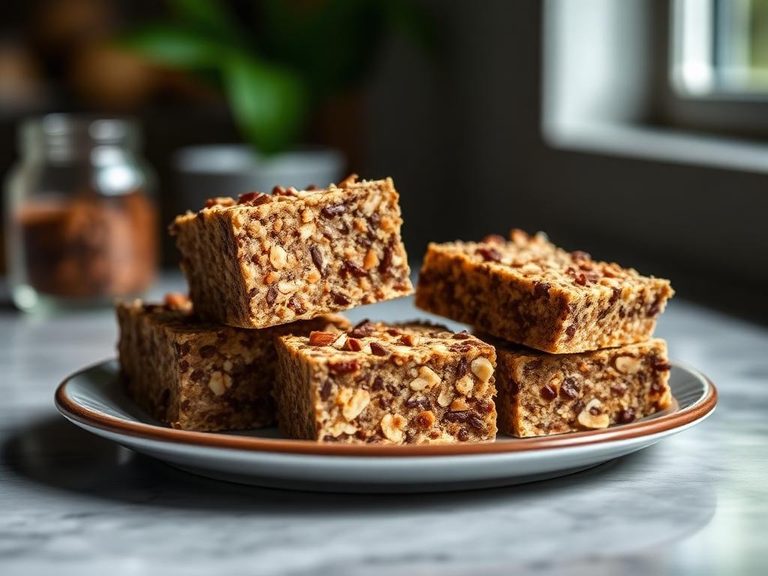 Incorporated into energy bars
 Incorporated into pemmican