Incorporated into energy bars
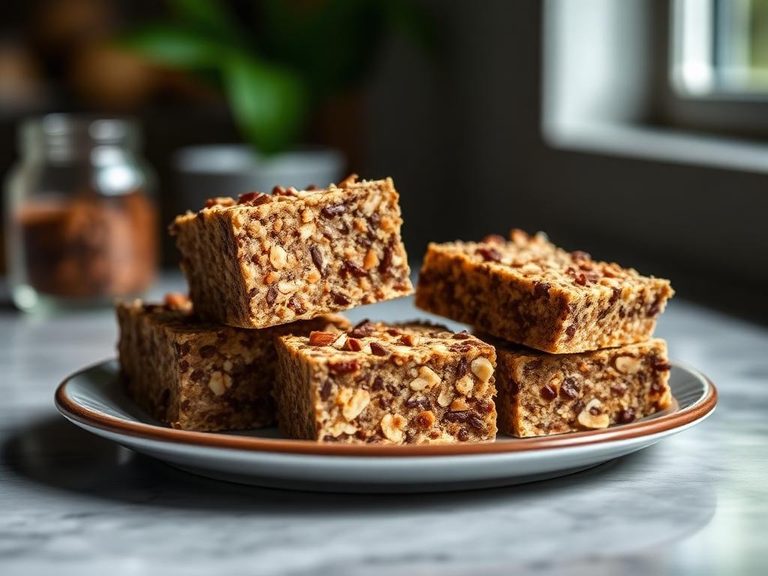
Incorporated into energy bars is not a standalone dish, but rather a description of how various ingredients are combined into a convenient, portable snack. These bars typically feature a base of oats, nuts, seeds, and dried fruits, bound together with sweeteners like honey or syrup. They are a modern, global invention designed for quick energy, popular among hikers, athletes, and busy individuals.
🍽️ Nutrition at a glance
Energy bars are generally high in carbohydrates for quick fuel, with moderate protein and fat depending on the specific recipe. They provide a concentrated source of calories, key nutrients like iron, magnesium, and B vitamins from the grains and nuts, and typically range from 150 to 300 calories per bar.
Nutrition breakdown
| Calories | 250 kcal |
| Protein | 8 g |
| Carbs | 35 g |
| Fat | 10 g |
| Fiber | 4 g |
| Sugar | 14 g |
| Sodium | 120 mg |
| Iron | 2.5 mg |
| Magnesium | 60 mg |
| Phosphorus | 120 mg |
| Thiamin (B1) | 0.3 mg |
| Niacin (B3) | 4 mg |
| Vitamin B6 | 0.4 mg |
| Manganese | 1.2 mg |
| Copper | 0.3 mg |
Per 1 bar (65 g) · estimated, varies by recipe
💡 What's interesting
Culturally, energy bars represent the fusion of traditional portable foods (like trail mix or granola) with modern nutritional science and marketing. Their unique aspect lies in their engineered convenience and the vast variety of formulations tailored for specific dietary needs, from vegan to high-protein.
🍽️ Related dishes
 Incorporated into a candy bar milkshake
 Incorporated into specialized infant purees
 Incorporated into homemade infant formula recipes
 Incorporated into baked goods for children with allergies
 Formula incorporated into baked goods for toddlers
 Incorporated into pemmican
 Incorporated into omelets or frittatas
 Incorporated into baked goods for older children