Incorporated into omelets or frittatas
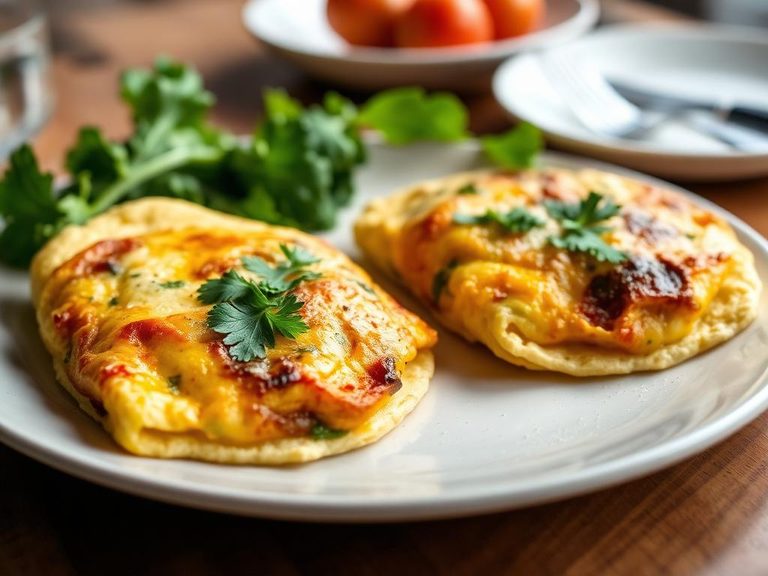
An omelet or frittata is a versatile egg-based dish where beaten eggs are cooked with a wide variety of added ingredients. The eggs act as a binder, incorporating fillings like vegetables, cheeses, meats, and herbs into a cohesive, savory meal. While the omelet is a classic French preparation, the frittata is its Italian cousin, often finished in the oven.
🍽️ Nutrition at a glance
This dish is a powerhouse of high-quality protein and healthy fats, with a very low carbohydrate count unless starchy ingredients are added. It provides essential nutrients like choline, selenium, and B vitamins, with a typical serving ranging from 250 to 400 calories depending on fillings.
Nutrition breakdown
| Calories | 320 kcal |
| Protein | 22 g |
| Carbs | 6 g |
| Fat | 24 g |
| Fiber | 2 g |
| Sugar | 3 g |
| Sodium | 480 mg |
| Choline | 140 mg |
| Selenium | 30 mcg |
| Vitamin B12 | 1.2 mcg |
| Vitamin D | 40 IU |
| Phosphorus | 280 mg |
| Vitamin A | 250 IU |
| Riboflavin (B2) | 0.4 mg |
| Potassium | 260 mg |
Per 1 large frittata wedge (approx. 180 g) · estimated, varies by recipe
💡 What's interesting
The frittata's method of slow-cooking and often finishing under a broiler makes it ideal for serving a crowd straight from the skillet, making it a social centerpiece. Nutritionally, the eggs provide a complete protein source, and the dish is a highly efficient way to pack in a large volume of vegetables.
🍽️ Related dishes
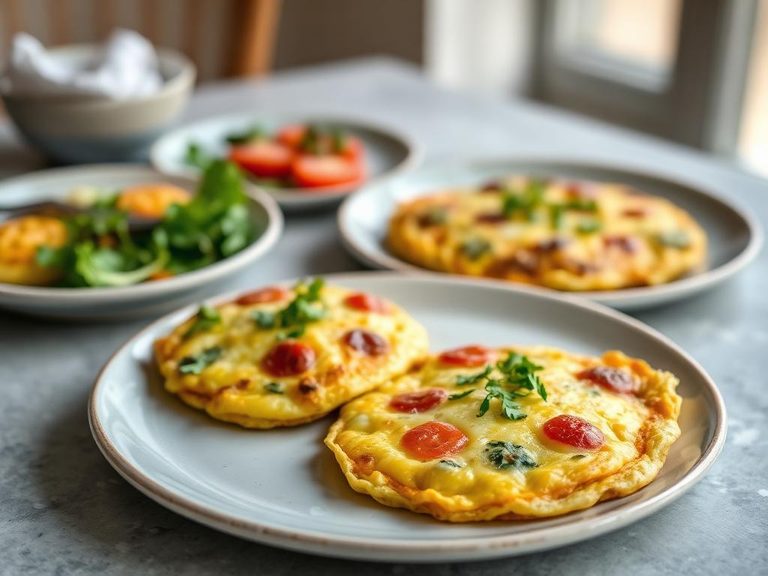 Omelets and frittatas
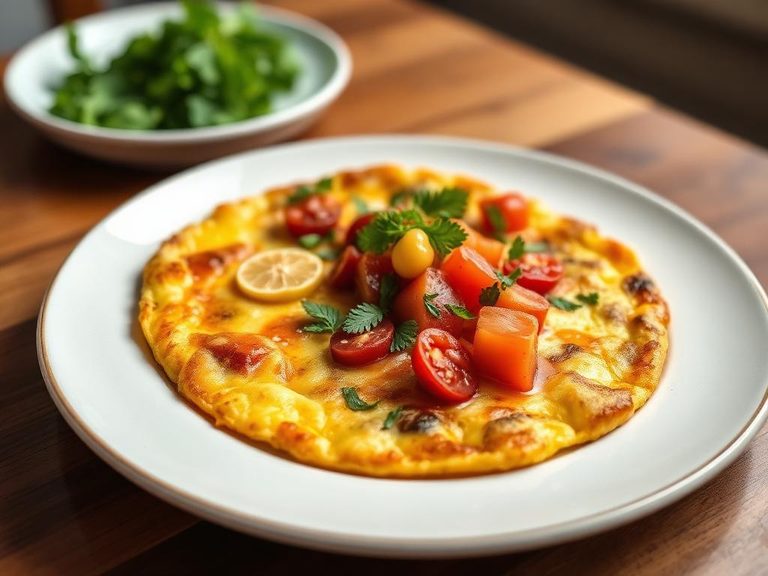 Added to omelets or frittatas
 Mixed into frittatas or quiches
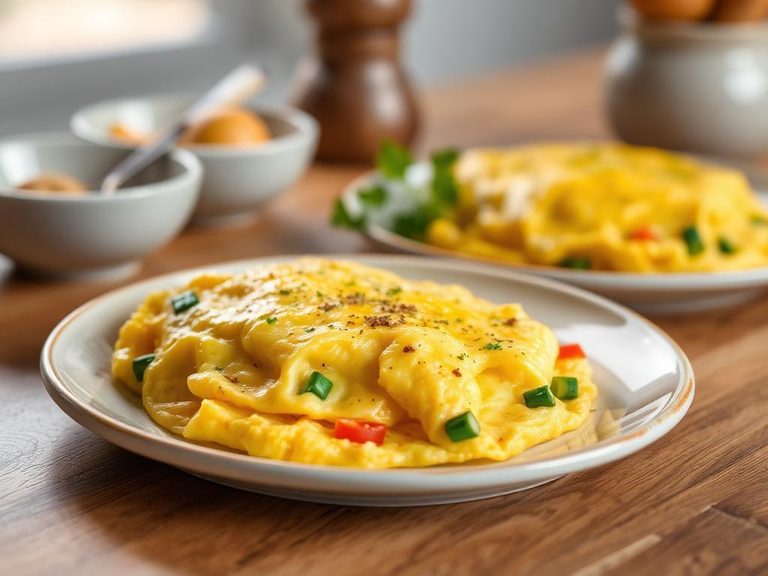 Flaked into omelets or scrambles
 Incorporated into a candy bar milkshake
 Incorporated into specialized infant purees
 Incorporated into homemade infant formula recipes
 Incorporated into baked goods for children with allergies