Incorporated into baked goods for children with allergies
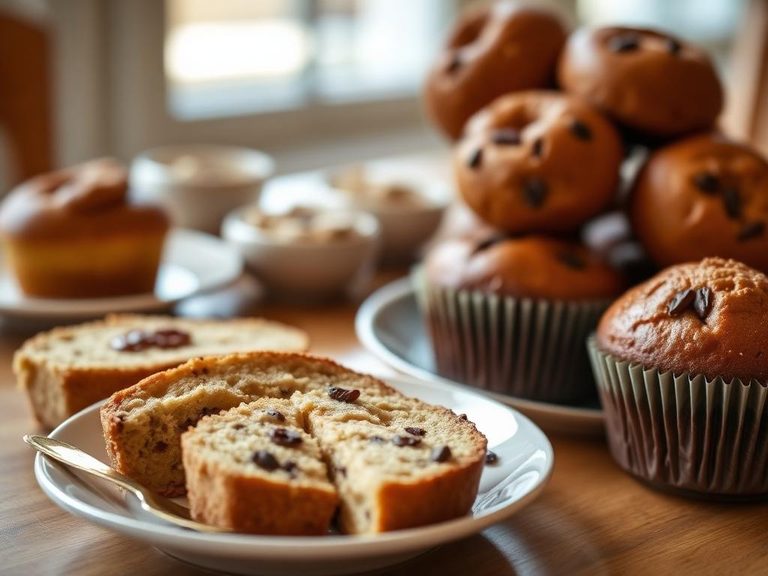
This is a category of baked goods specifically formulated for children with common food allergies, such as gluten, dairy, or nut allergies. These items replace traditional allergens with safe alternatives like rice flour, oat flour, or seed butters, while often incorporating nutrient-dense ingredients like fruits or vegetables for added nutrition. They originate from modern dietary adaptation movements, with roots in various global cuisines that have long used alternative flours.
🍽️ Nutrition at a glance
These baked goods are typically moderate in carbohydrates from alternative flours and natural sugars, with a balanced profile that can include healthy fats from seeds or oils. They provide key nutrients like fiber, iron, and B-vitamins, with a calorie range of roughly 150-250 kcal per standard serving.
Nutrition breakdown
| Calories | 180 kcal |
| Protein | 4 g |
| Carbs | 28 g |
| Fat | 6 g |
| Fiber | 3 g |
| Sugar | 10 g |
| Sodium | 120 mg |
| Iron | 2.5 mg |
| Potassium | 180 mg |
| Vitamin A | 45 mcg |
| Vitamin C | 8 mg |
| Calcium | 60 mg |
| Magnesium | 30 mg |
| Phosphorus | 85 mg |
| Folate | 40 mcg |
Per 1 muffin (85 g) · estimated, varies by recipe
💡 What's interesting
What's unique is the creative use of ingredients like sweet potato, chickpea flour, or sunflower seed butter to mimic traditional textures and flavors, making inclusive treats that don't compromise on taste or safety. Nutritionally, they often turn allergy restrictions into an opportunity to boost fiber and micronutrient content.
🍽️ Related dishes
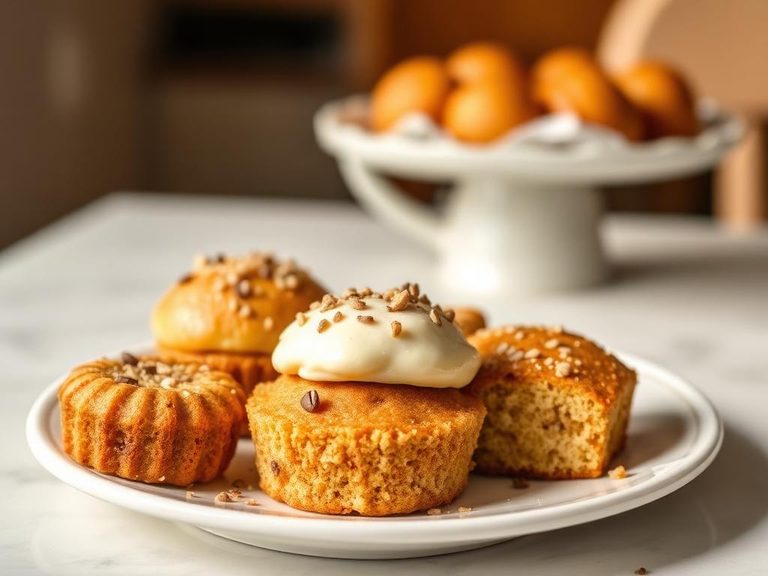 Incorporated into baked goods for older children
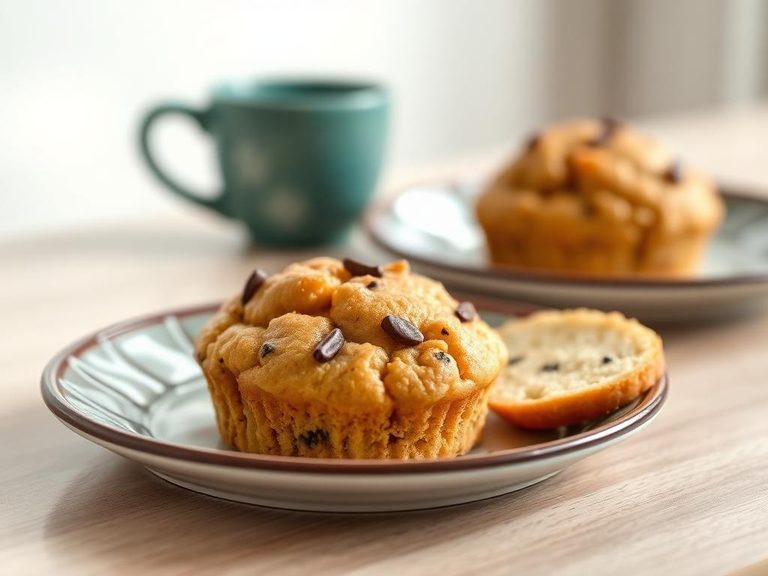 Formula incorporated into baked goods for toddlers
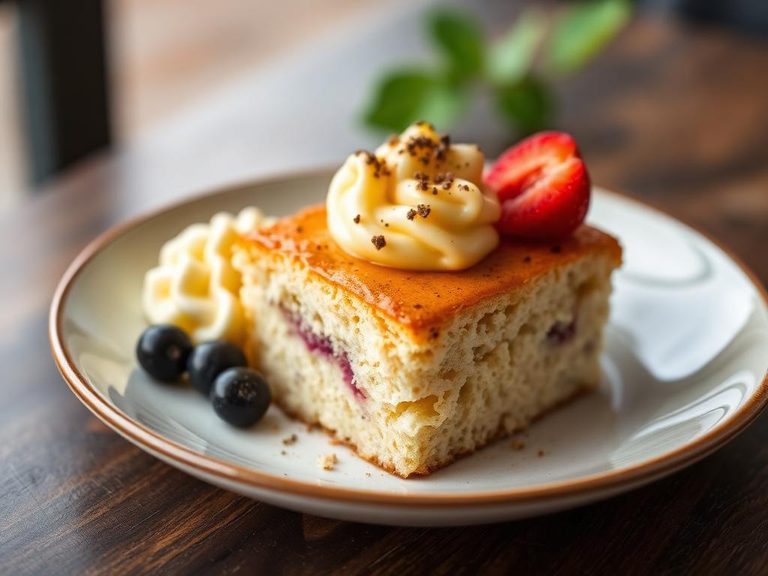 Incorporated into baked goods or desserts for a creamy, sweet flavor .
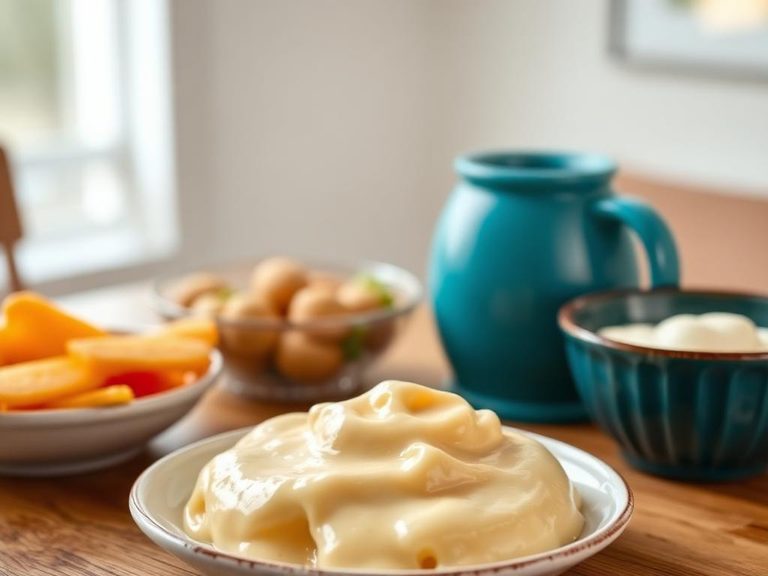 Incorporated into homemade infant formula recipes
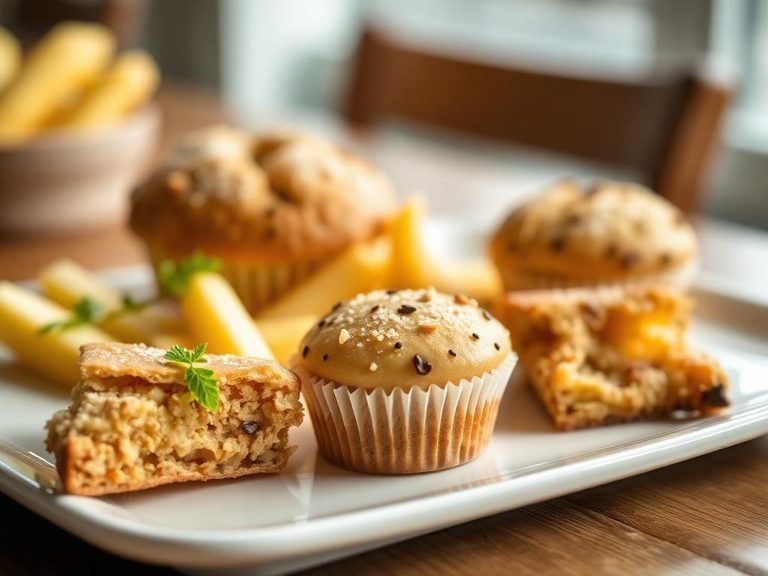 Ingredient in baked goods for older children
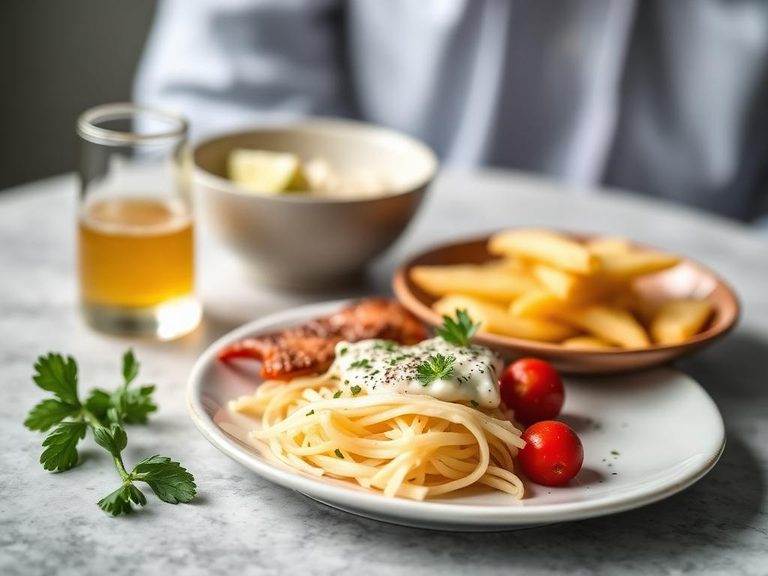 Medical nutrition for allergies
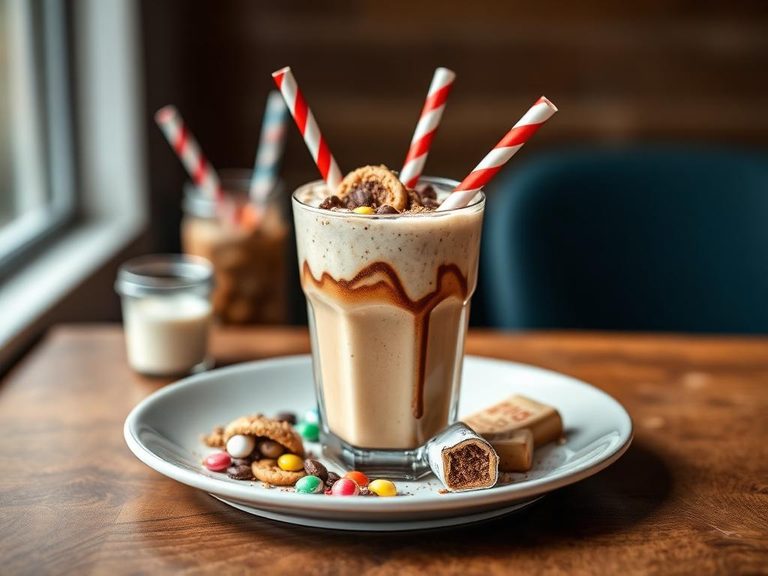 Incorporated into a candy bar milkshake
 Incorporated into specialized infant purees