Formula incorporated into baked goods for toddlers
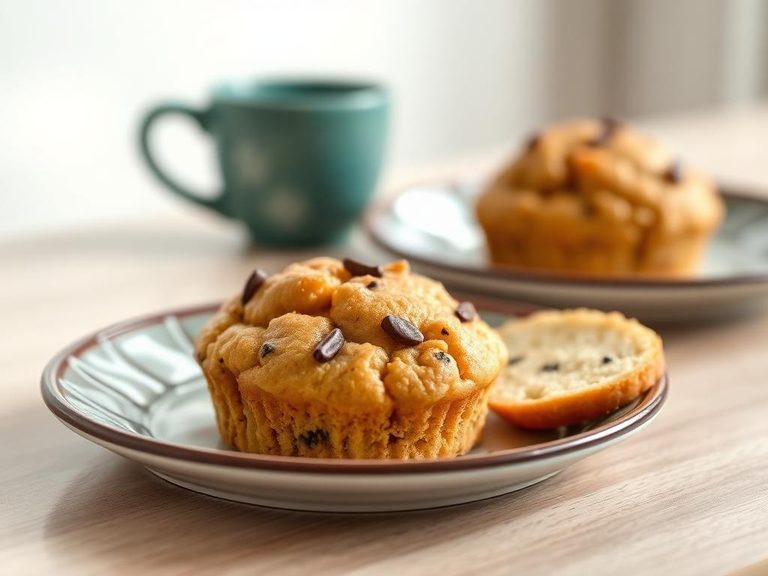
This refers to baked goods, such as muffins or soft cookies, specifically formulated with a toddler's nutritional needs in mind. They typically incorporate a balanced blend of whole grains, fruits or vegetables for natural sweetness, and added fats or proteins like nut butter or yogurt. The concept is a modern, health-focused approach to children's snacks, popular in many Western countries.
🍽️ Nutrition at a glance
These baked goods are generally balanced, providing a mix of carbohydrates for energy, healthy fats for development, and some protein. A key feature is often the inclusion of fortified ingredients or added nutrients like iron and calcium, with a typical serving containing around 150-250 calories.
Nutrition breakdown
| Calories | 160 kcal |
| Protein | 4 g |
| Carbs | 22 g |
| Fat | 7 g |
| Fiber | 3 g |
| Sugar | 8 g |
| Sodium | 95 mg |
| Iron | 2 mg |
| Calcium | 80 mg |
| Vitamin A | 120 mcg RAE |
| Vitamin C | 5 mg |
| Potassium | 180 mg |
| Zinc | 1 mg |
Per 1 mini muffin (45 g) · estimated, varies by recipe
💡 What's interesting
What's unique is the intentional 'hidden' nutrition; they are designed to be appealing to toddlers while sneakily incorporating vegetables (like zucchini or carrot) or nutrient-dense powders (like ground flaxseed or brewer's yeast) to support growth.
🍽️ Related dishes
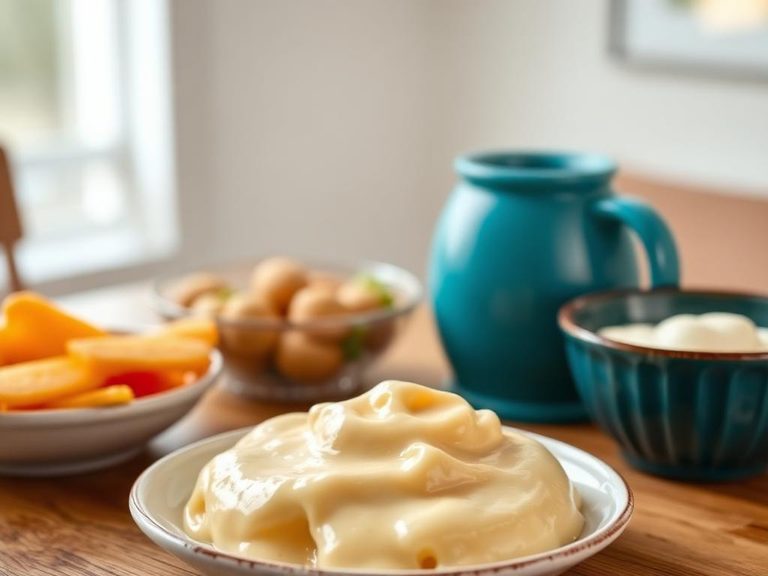 Incorporated into homemade infant formula recipes
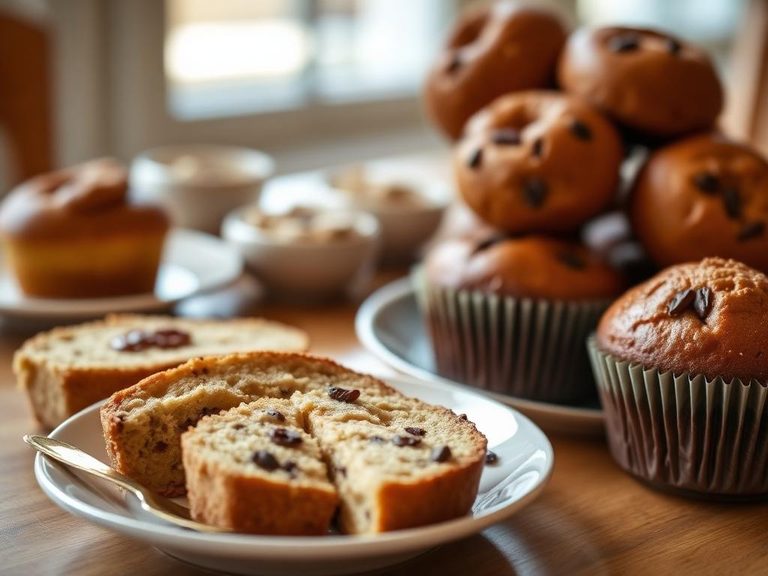 Incorporated into baked goods for children with allergies
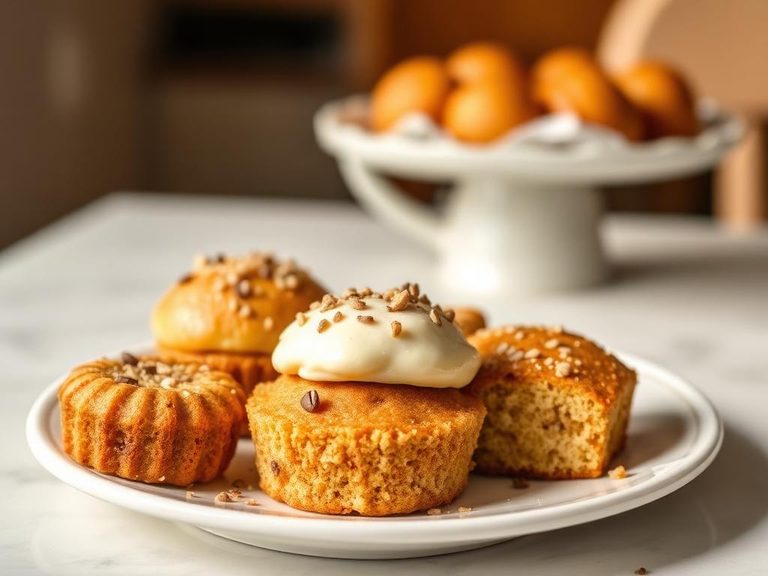 Incorporated into baked goods for older children
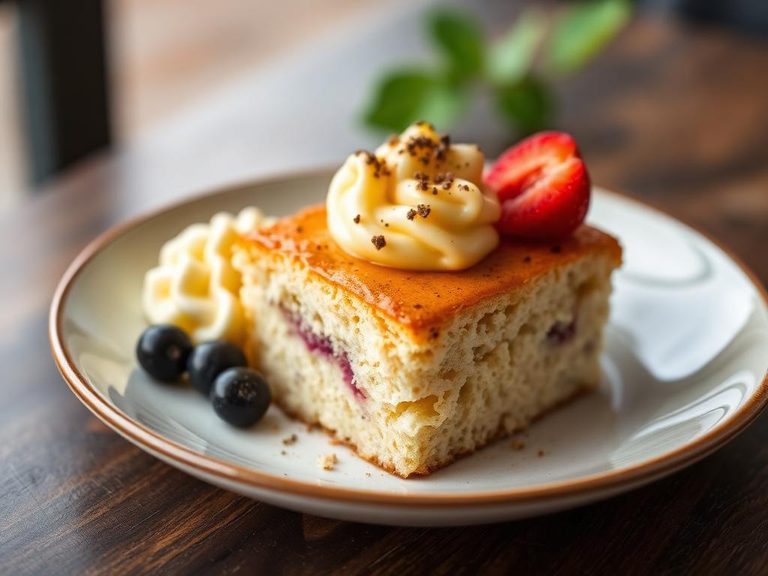 Incorporated into baked goods or desserts for a creamy, sweet flavor .
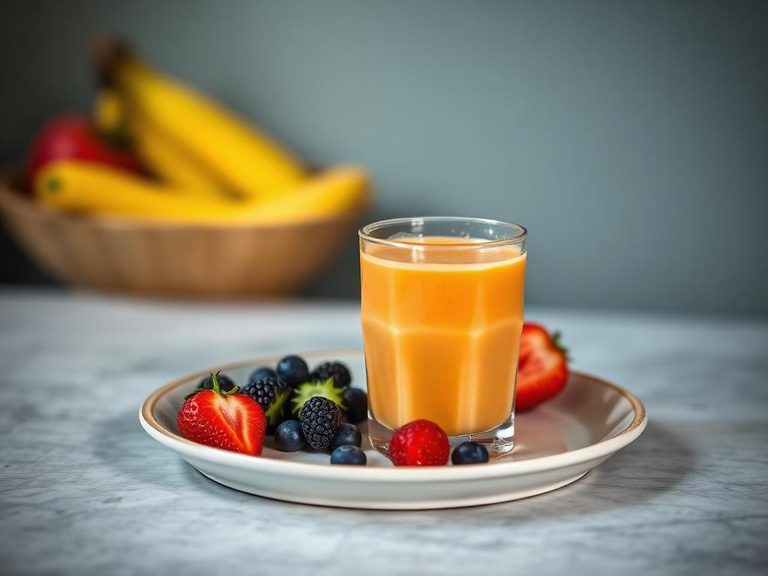 Formula-based smoothie for older toddlers
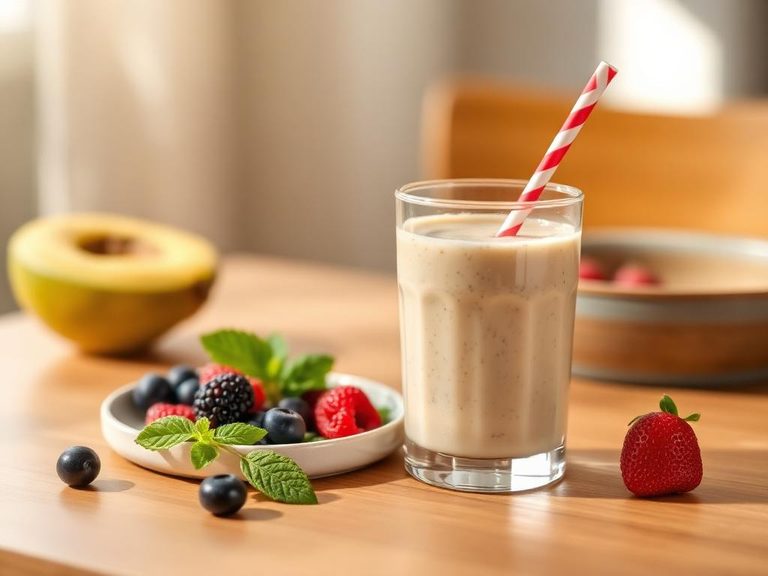 Formula-based smoothie for toddlers
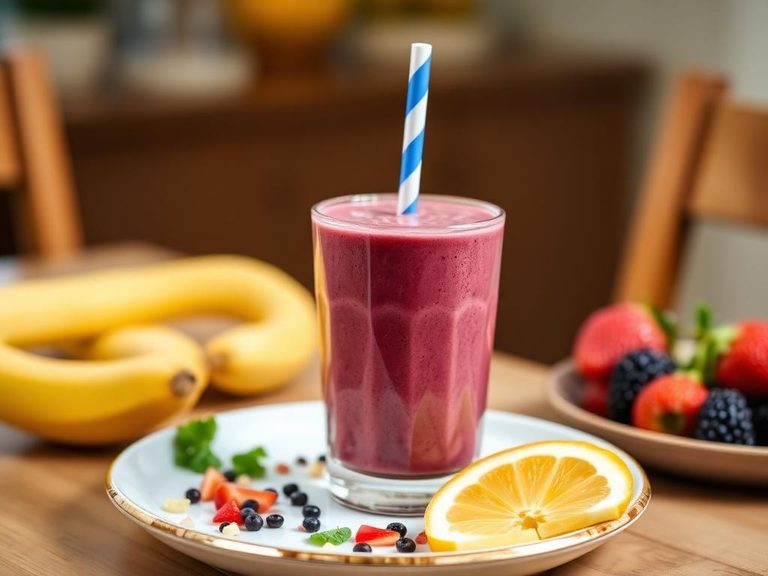 Added to smoothies for toddlers transitioning off formula
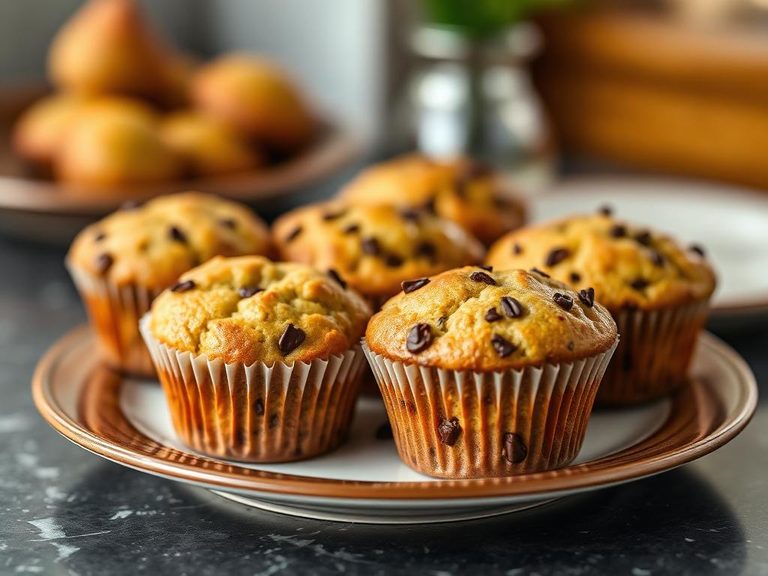 Formula-infused baked goods