Formula-infused baked goods
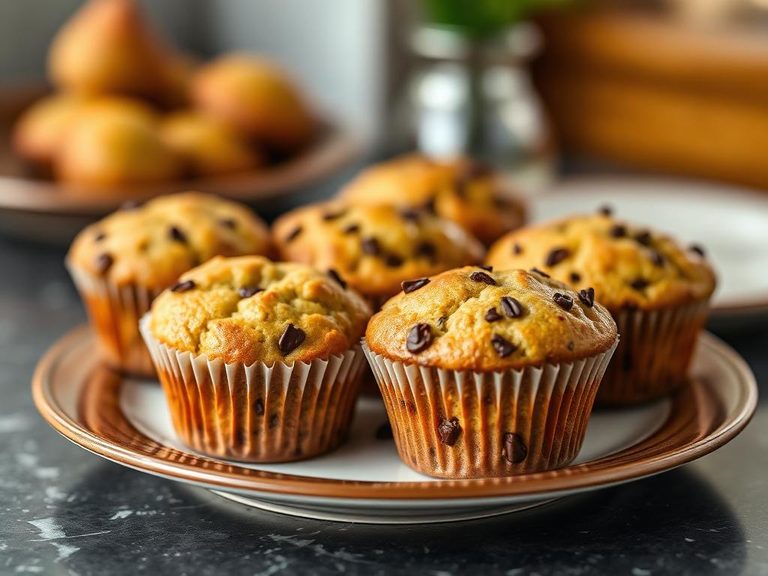
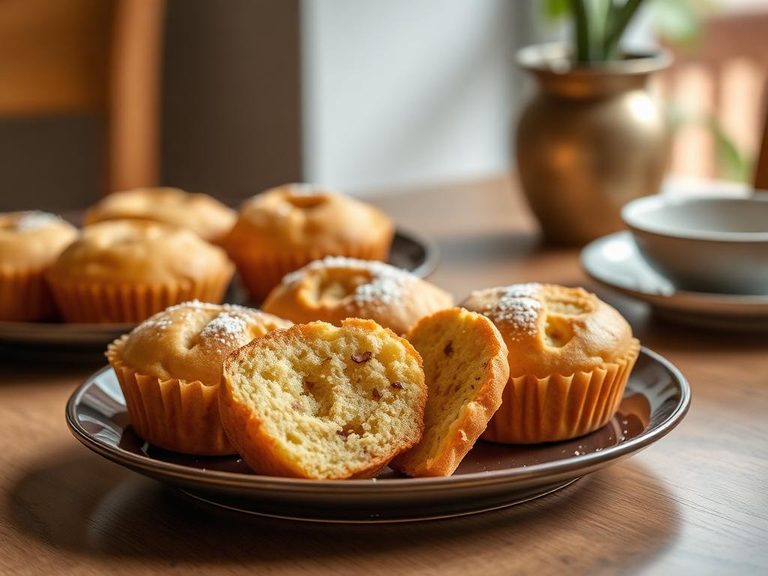
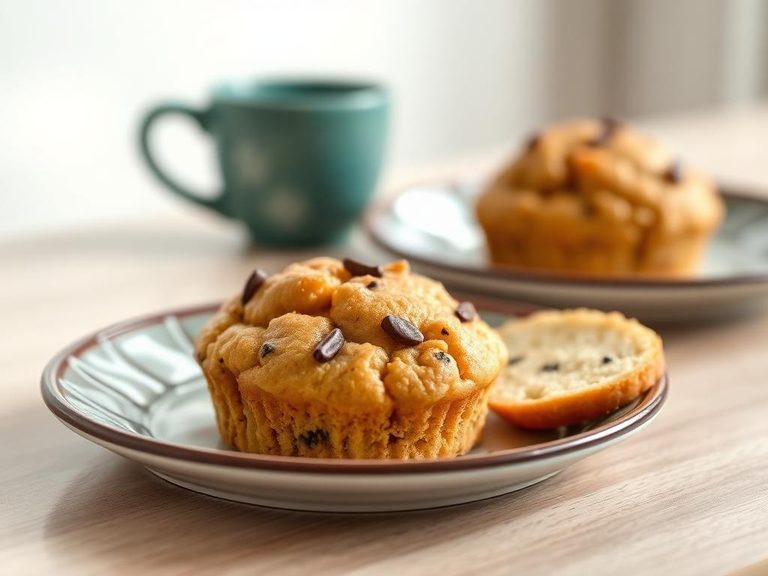
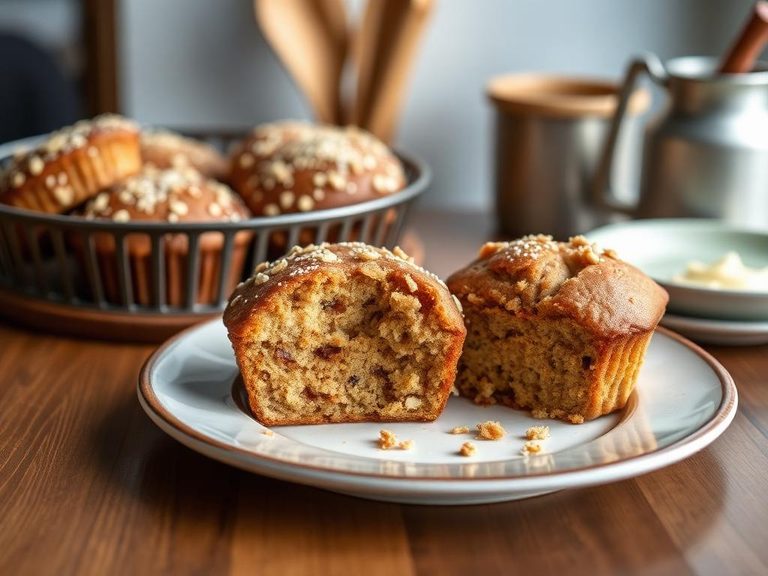
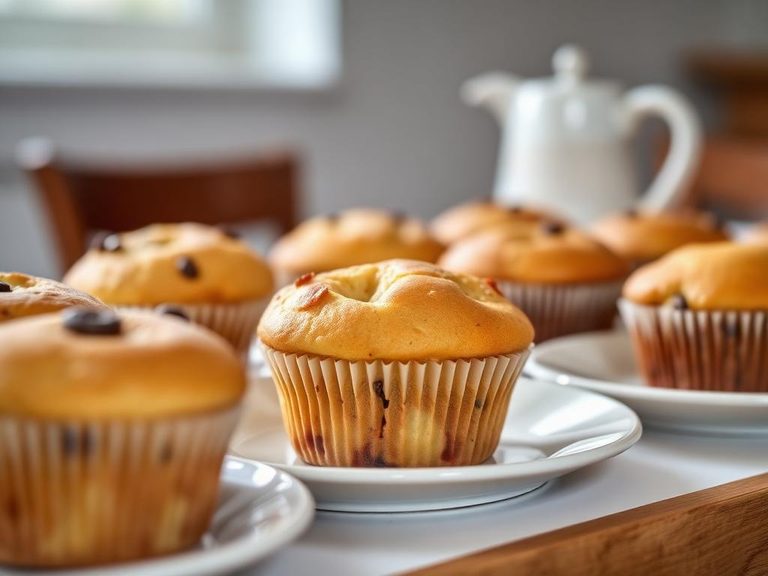
Formula-infused baked goods, such as muffins, are modern pastries that incorporate infant formula or specialized nutritional powders into traditional batter. They typically feature ingredients like flour, sugar, eggs, and oil, with the addition of formula powder for a nutritional boost. This concept is a contemporary, often home-baker innovation, not tied to a specific traditional cuisine.
🍽️ Nutrition at a glance
These baked goods are generally high in carbohydrates and fats, with a moderate increase in protein and micronutrients from the added formula. A typical muffin provides a quick energy source and can offer enhanced levels of calcium, iron, and vitamins A and D.
Nutrition breakdown
| Calories | 350 kcal |
| Protein | 8 g |
| Carbs | 45 g |
| Fat | 16 g |
| Fiber | 1.5 g |
| Sugar | 22 g |
| Sodium | 300 mg |
| Calcium | 150 mg |
| Iron | 2.5 mg |
| Vitamin A | 90 mcg RAE |
| Vitamin D | 1.5 mcg |
| Potassium | 120 mg |
| Phosphorus | 100 mg |
| Vitamin B12 | 0.4 mcg |
| Zinc | 1.2 mg |
Per 1 medium muffin (113 g) · estimated, varies by recipe
💡 What's interesting
This practice creatively repurposes a product designed for infants into a snack for older children or adults, blurring the lines between conventional baking and functional nutrition. It reflects a growing trend of customizing everyday foods to meet specific dietary goals or reduce waste.