Formula-enriched baked goods

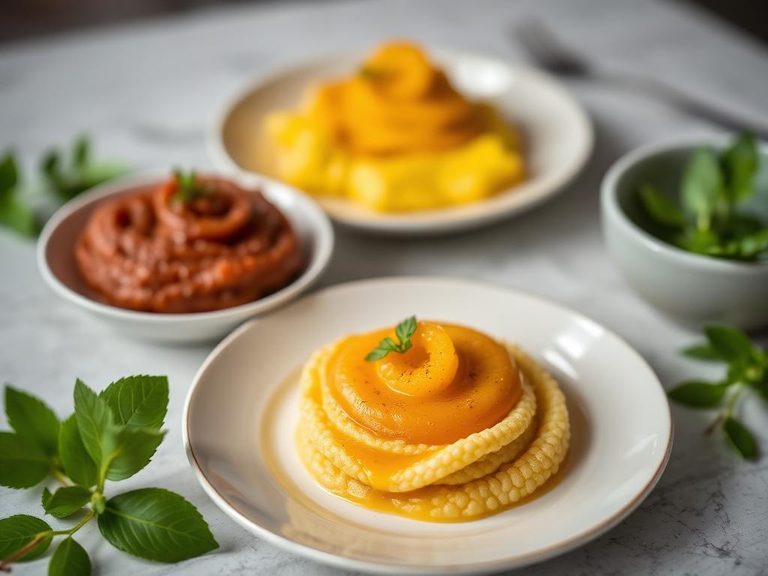
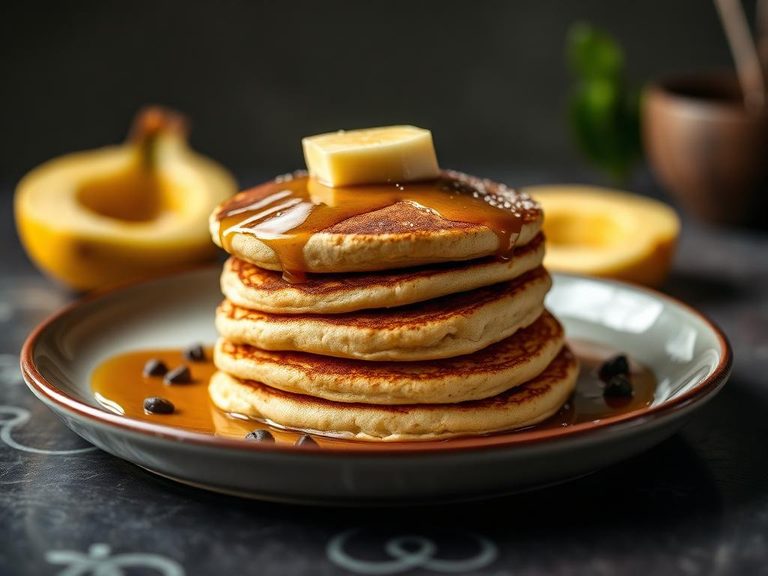
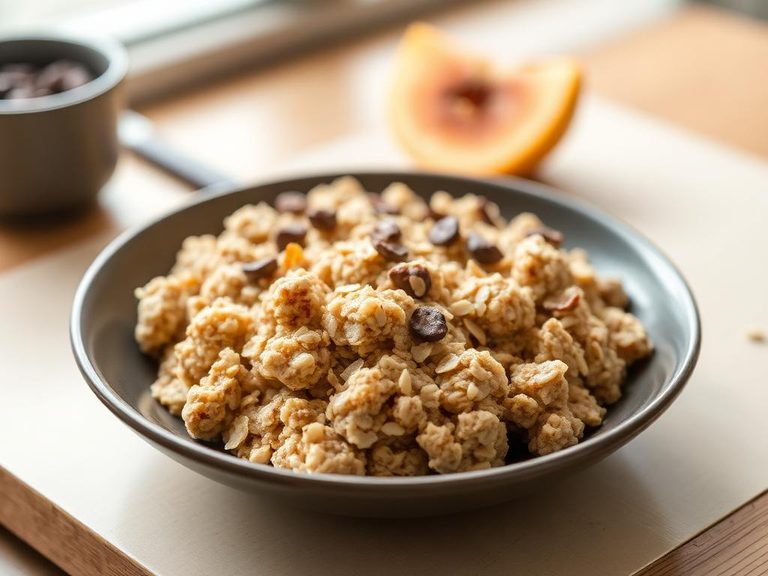
Formula-enriched baked goods are breads, muffins, or cakes fortified with infant formula or specialized nutritional powders to boost their nutrient density. They typically use a base of flour, eggs, and oil, with the added formula providing a creamy texture and enhanced flavor. This type of food is often found in home kitchens or community health programs aimed at improving nutrition for young children.
🍽️ Nutrition at a glance
These baked goods are generally high in carbohydrates and fats, with a moderate protein content from the formula and flour. They provide a good source of calcium, iron, and B vitamins, and a typical serving can range from 250 to 350 calories.
Nutrition breakdown
| Calories | 300 kcal |
| Protein | 8 g |
| Carbs | 40 g |
| Fat | 12 g |
| Fiber | 2 g |
| Sugar | 15 g |
| Sodium | 200 mg |
| Calcium | 250 mg |
| Iron | 3 mg |
| Vitamin A | 150 mcg |
| Vitamin D | 2 mcg |
| Vitamin B12 | 0.5 mcg |
| Zinc | 2 mg |
| Potassium | 200 mg |
| Phosphorus | 180 mg |
Per 1 muffin (100 g) · estimated, varies by recipe
💡 What's interesting
This dish is a creative way to incorporate essential nutrients into a familiar, kid-friendly format, often used in regions with high rates of childhood malnutrition. It bridges the gap between traditional baked treats and nutritional supplements, making it both comforting and functional.