Incorporated into homemade infant formula recipes
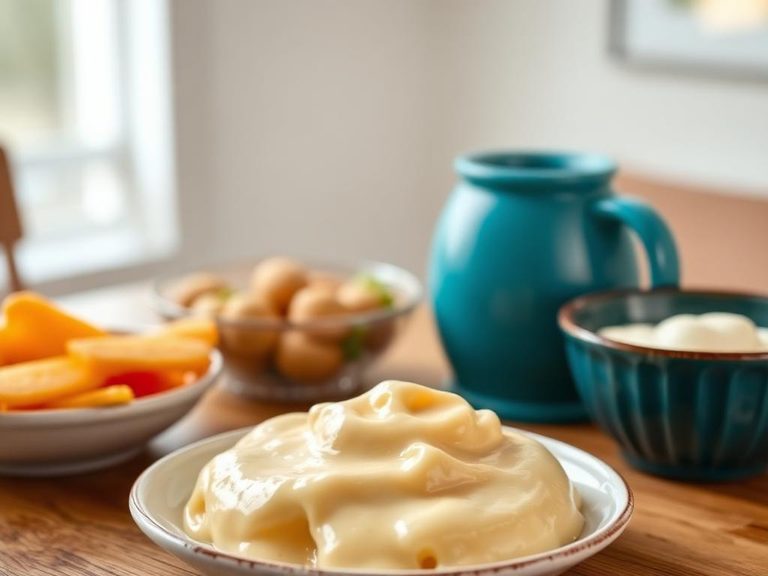
This is not a standalone dish, but rather a specialized, nutrient-dense base or component designed to be incorporated into homemade infant formula recipes under strict medical guidance. It typically consists of carefully selected and processed ingredients like lactose, specific oils (e.g., MCT, sunflower), and a precise blend of vitamins and minerals to mimic the nutritional profile of commercial formula. It originates from pediatric nutrition science and is prepared in home kitchens only when medically necessary and formulated by a healthcare professional.
🍽️ Nutrition at a glance
The mixture is carefully engineered to be balanced in macronutrients, providing a moderate amount of fat and protein with carbohydrates primarily from lactose. Its primary purpose is to deliver a complete spectrum of essential vitamins and minerals, including iron, calcium, and vitamin D, with a calorie count tailored to an infant's needs per serving.
Nutrition breakdown
| Calories | 65 kcal |
| Protein | 1.3 g |
| Carbs | 7.5 g |
| Fat | 3.4 g |
| Fiber | 0 g |
| Sugar | 7 g |
| Sodium | 25 mg |
| Calcium | 50 mg |
| Iron | 0.9 mg |
| Vitamin D | 1.0 mcg |
| Potassium | 70 mg |
| Phosphorus | 25 mg |
| Vitamin A | 60 mcg |
| Vitamin C | 8 mg |
| Zinc | 0.5 mg |
Per 1 prepared serving (approx. 100 g, reconstituted) · estimated, varies by recipe
💡 What's interesting
What's unique is that this is a functional, clinical preparation rather than a culinary dish. Its composition is based on human breast milk analysis and is strictly regulated to avoid nutritional deficiencies or imbalances, highlighting the intersection of food science and pediatric medicine.
🍽️ Related dishes
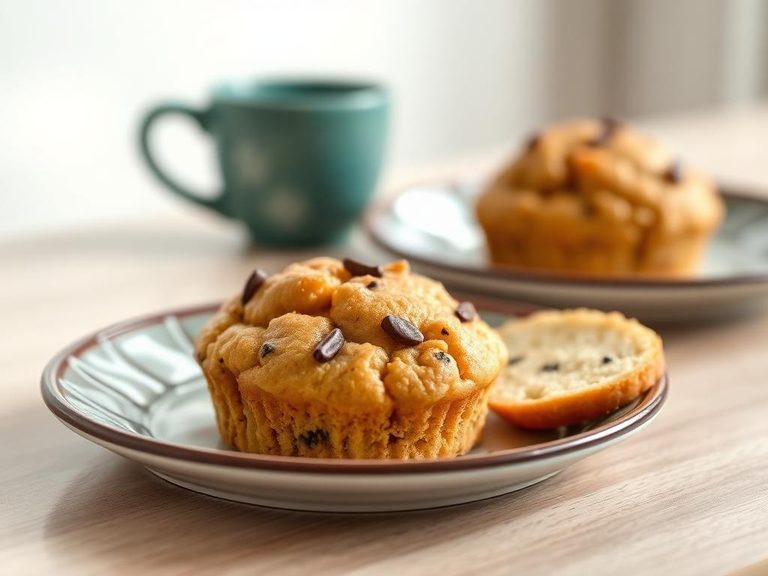 Formula incorporated into baked goods for toddlers
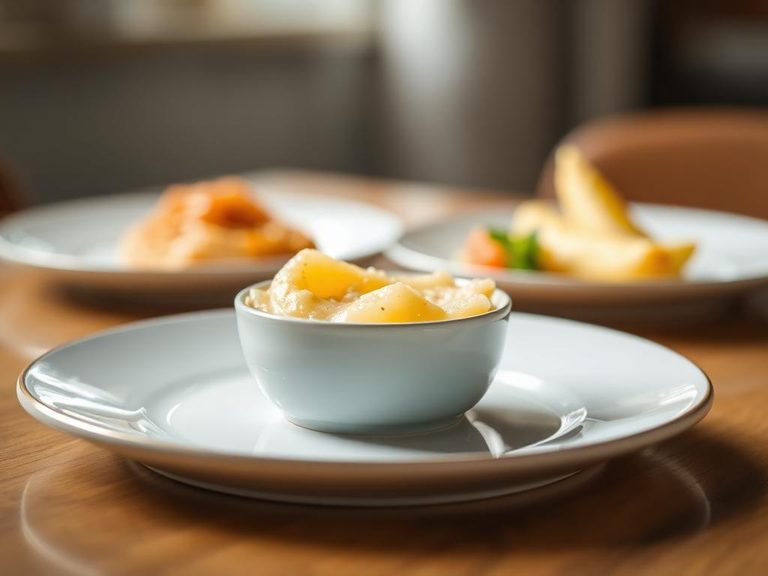 Incorporated into specialized infant purees
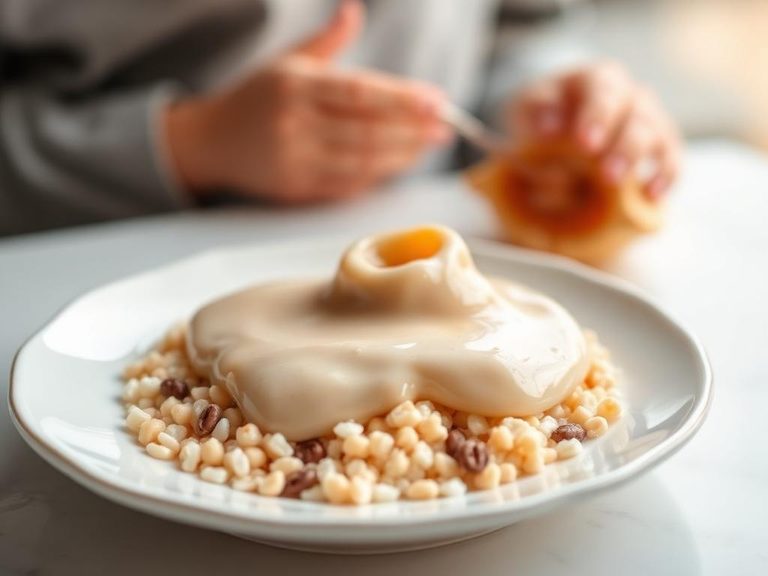 Formula mixed into infant cereal
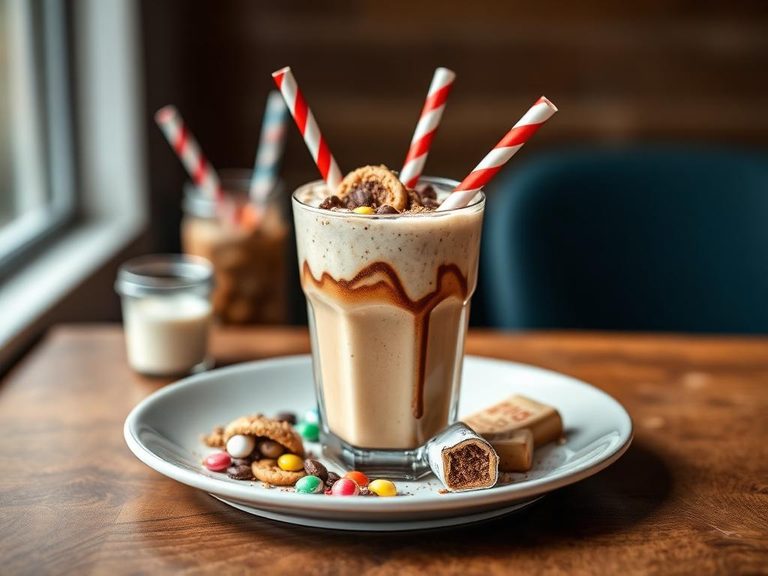 Incorporated into a candy bar milkshake
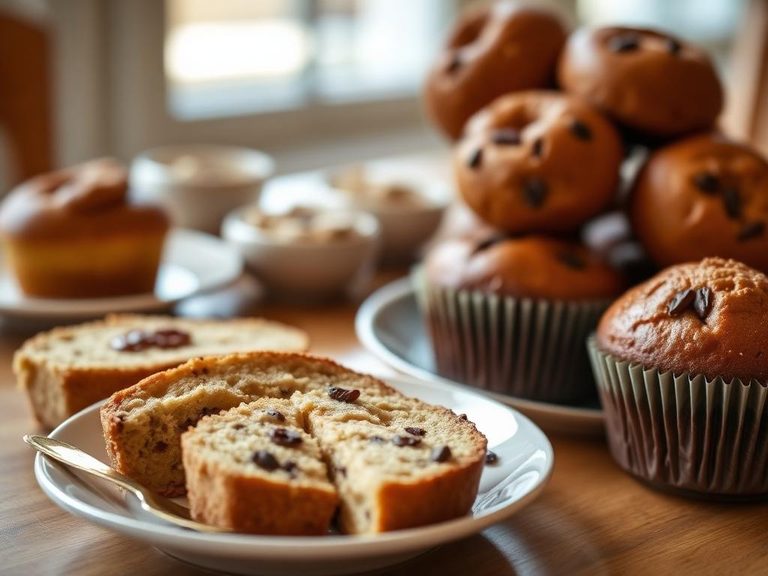 Incorporated into baked goods for children with allergies
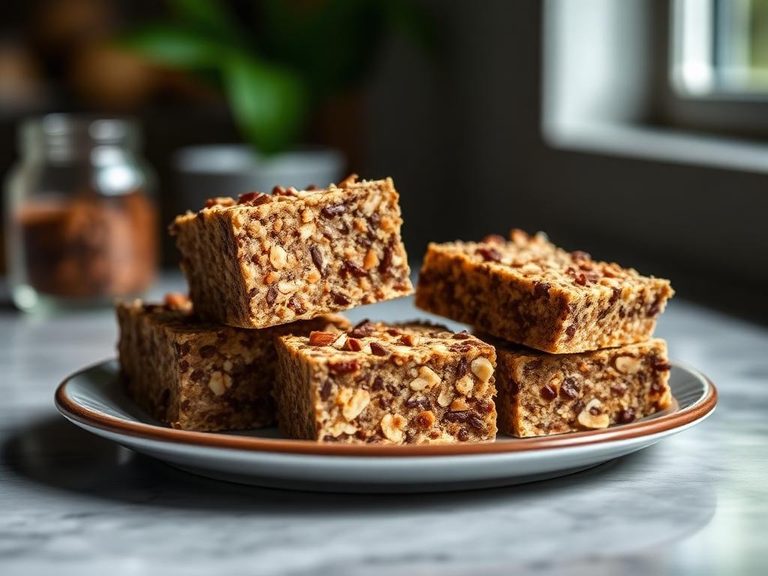 Incorporated into energy bars
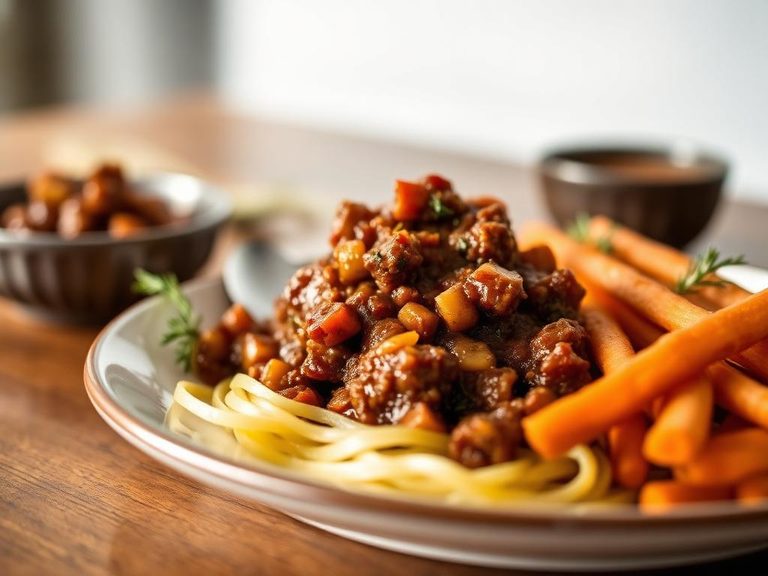 Incorporated into pemmican
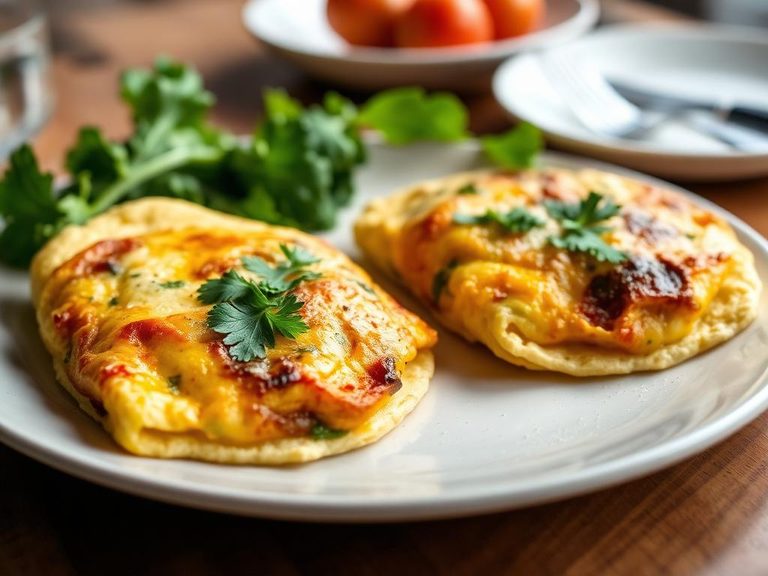 Incorporated into omelets or frittatas