Incorporated into specialized infant purees
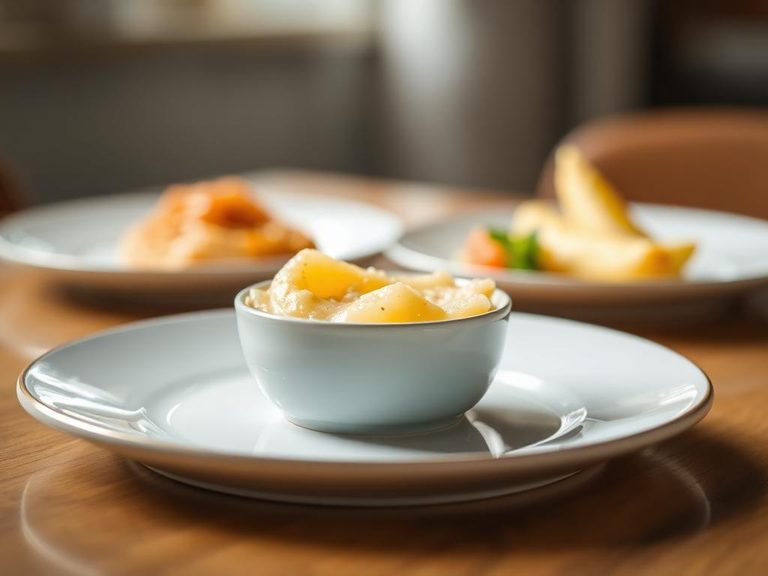
Specialized infant purees are smooth, single-ingredient or simple blended foods designed for babies transitioning to solids. They are typically made from fruits, vegetables, or grains like sweet potato, apple, or rice cereal, and are prepared to be easily digestible. This category of food is a global staple in infant nutrition, found in households and commercial products worldwide.
🍽️ Nutrition at a glance
These purees are generally high in carbohydrates for energy, with low fat and protein content. They provide essential vitamins and minerals like Vitamin A, potassium, and iron, with a typical serving ranging from 50 to 120 calories depending on the ingredient and serving size.
Nutrition breakdown
| Calories | 80 kcal |
| Protein | 1 g |
| Carbs | 18 g |
| Fat | 0 g |
| Fiber | 2 g |
| Sugar | 10 g |
| Sodium | 15 mg |
| Vitamin A | 120 mcg RAE |
| Vitamin C | 15 mg |
| Potassium | 250 mg |
| Iron | 2 mg |
| Calcium | 20 mg |
| Zinc | 0.5 mg |
| Niacin (B3) | 0.8 mg |
| Vitamin B6 | 0.1 mg |
Per 1 jar (128 g) · estimated, varies by recipe
💡 What's interesting
The texture and composition of infant purees are carefully engineered to support developmental milestones, from thin liquids to thicker mashes. Nutritionally, they are often fortified with iron in commercial versions, addressing a critical nutrient gap in an infant's diet after six months of age.
🍽️ Related dishes
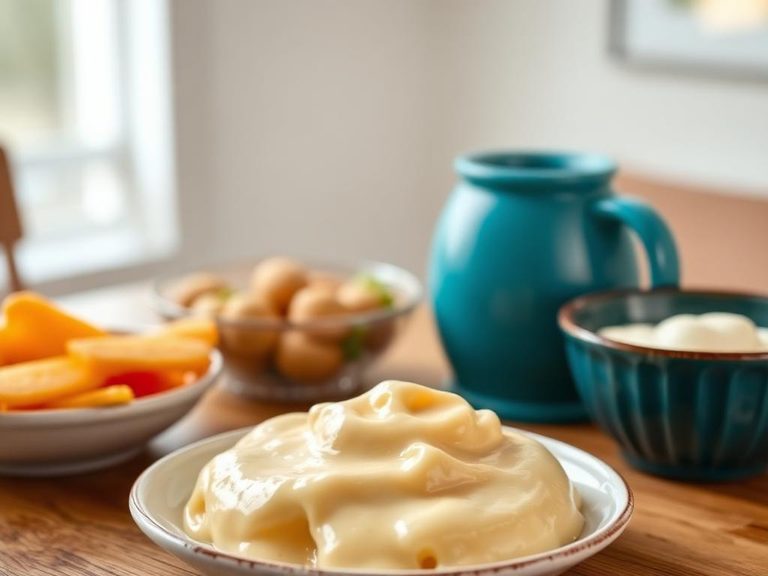 Incorporated into homemade infant formula recipes
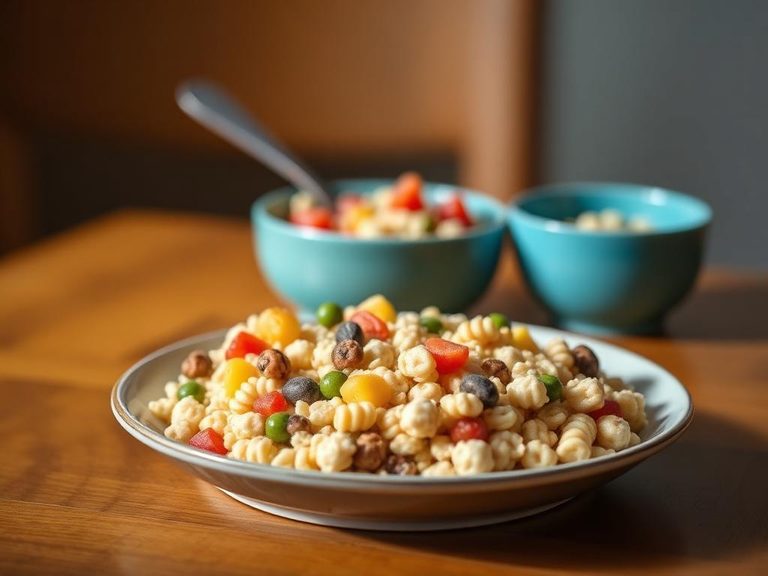 Mixed into specialized premature infant cereal
 Incorporated into a candy bar milkshake
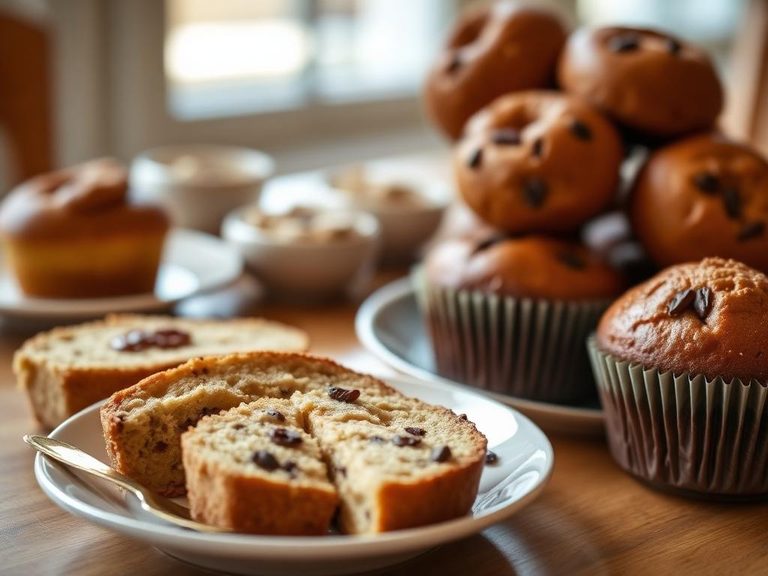 Incorporated into baked goods for children with allergies
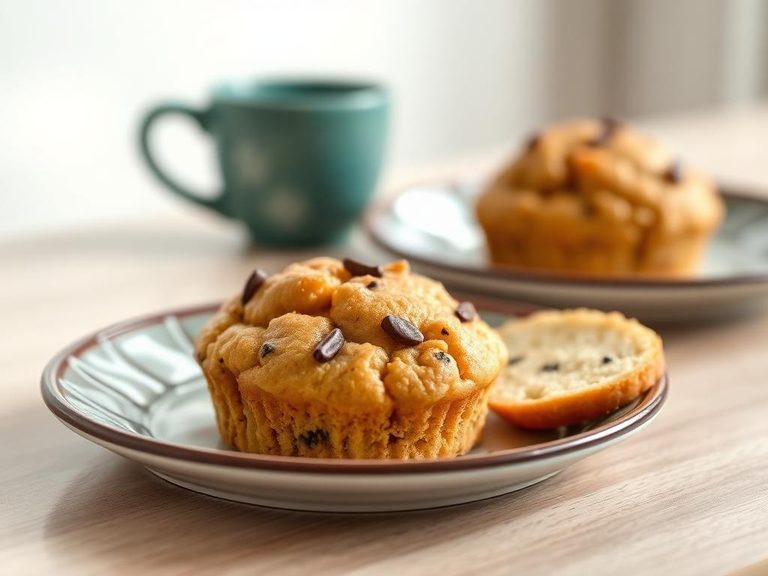 Formula incorporated into baked goods for toddlers
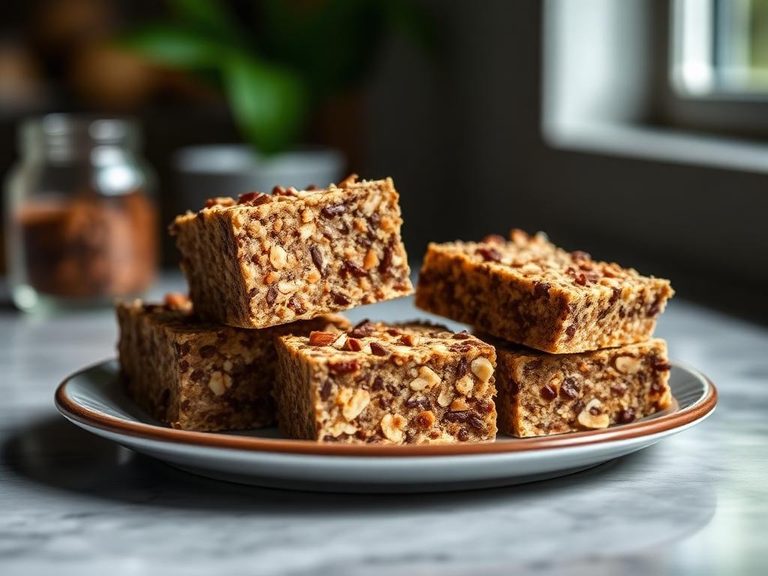 Incorporated into energy bars
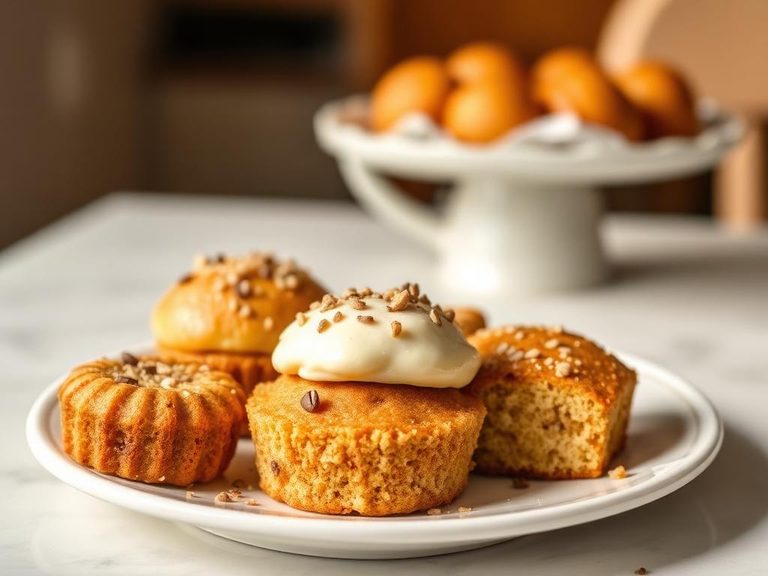 Incorporated into baked goods for older children
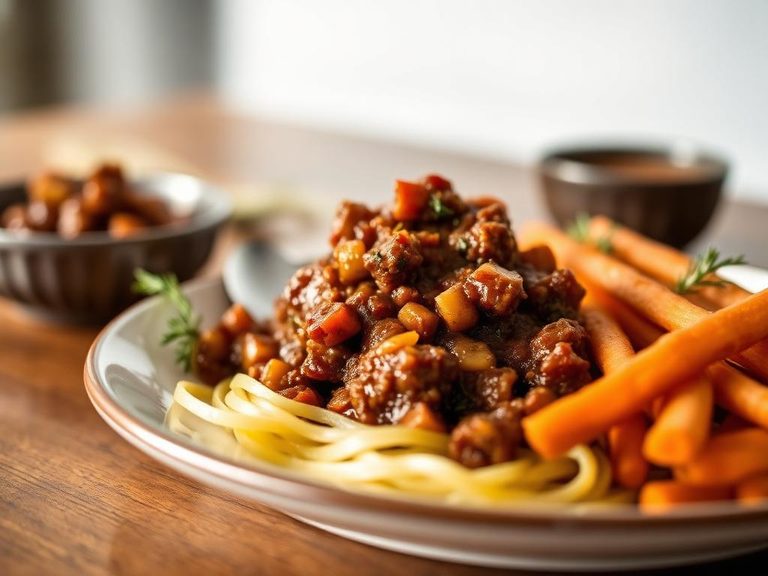 Incorporated into pemmican