Incorporated into pemmican
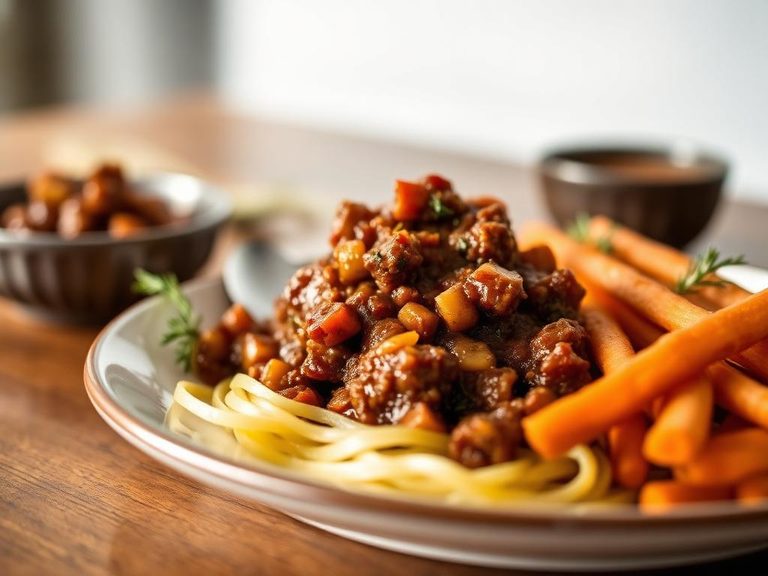
Pemmican is a traditional, highly concentrated survival food made by mixing dried, powdered lean meat with rendered fat (like tallow) and often dried berries. It originated with Indigenous peoples of North America, particularly the Plains and Arctic regions, as a lightweight, non-perishable source of essential energy for long journeys and harsh winters.
🍽️ Nutrition at a glance
Pemmican is an extremely high-fat, high-protein, and very low-carbohydrate food, designed for maximum caloric density. A typical serving provides a significant amount of energy (often 300-400 kcal per 100g), along with essential fatty acids, iron, and B vitamins from the meat, and potentially vitamin C if berries are included.
Nutrition breakdown
| Calories | 350 kcal |
| Protein | 30 g |
| Carbs | 5 g |
| Fat | 24 g |
| Fiber | 2 g |
| Sugar | 3 g |
| Sodium | 400 mg |
| Iron | 4 mg |
| Zinc | 6 mg |
| Potassium | 450 mg |
| Phosphorus | 300 mg |
| Niacin (B3) | 8 mg |
| Vitamin B12 | 2.5 mcg |
| Selenium | 25 mcg |
| Vitamin C | 5 mg (if berries included) |
Per 100 grams (a typical dense bar or portion) · estimated, varies by recipe
💡 What's interesting
Culturally, pemmican was a cornerstone of trade and exploration in North America, fueling fur traders and Arctic expeditions. Nutritionally, it's a remarkable example of a complete, balanced survival ration, with the fat providing long-lasting energy and the protein supporting muscle maintenance in a shelf-stable form.
🍽️ Related dishes
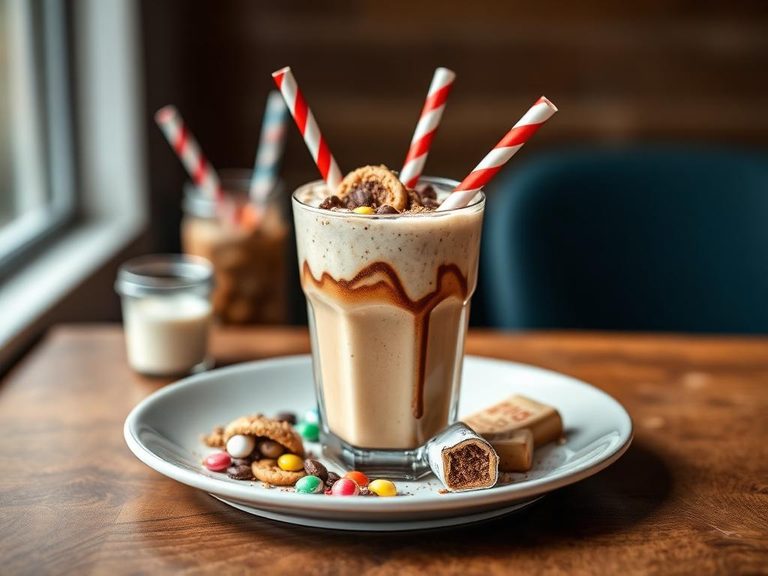 Incorporated into a candy bar milkshake
 Incorporated into specialized infant purees
 Incorporated into homemade infant formula recipes
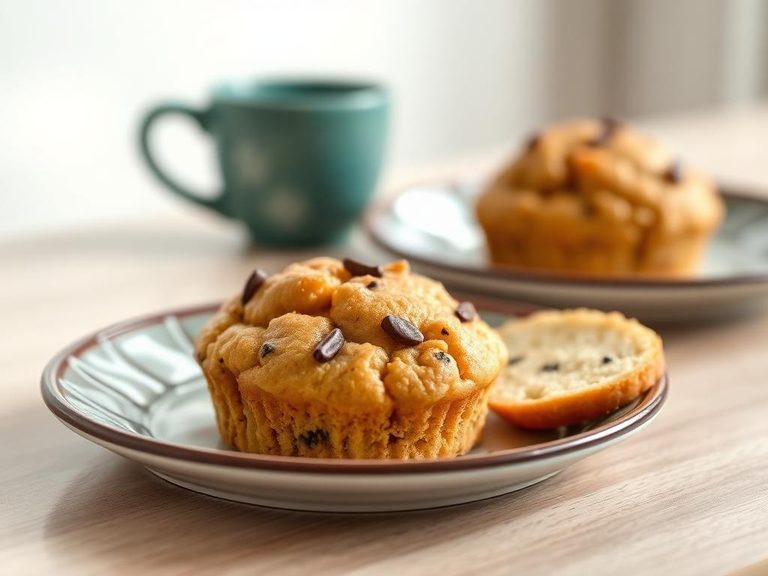 Formula incorporated into baked goods for toddlers
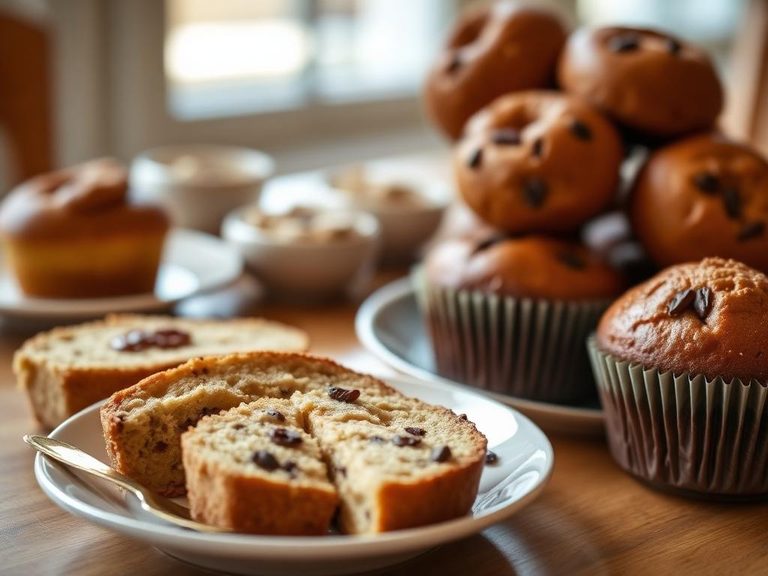 Incorporated into baked goods for children with allergies
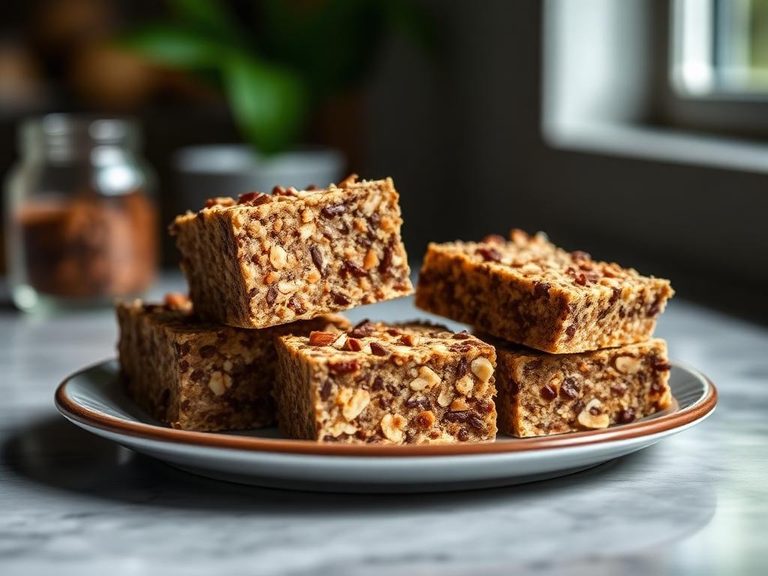 Incorporated into energy bars
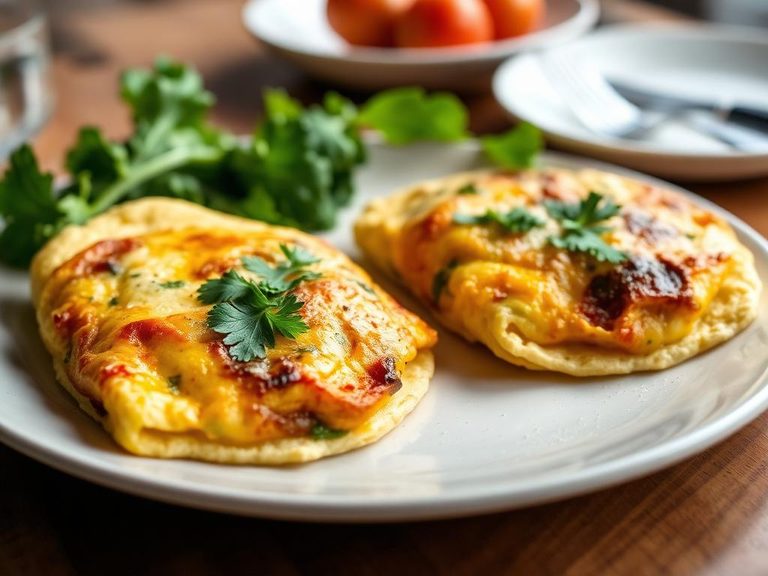 Incorporated into omelets or frittatas
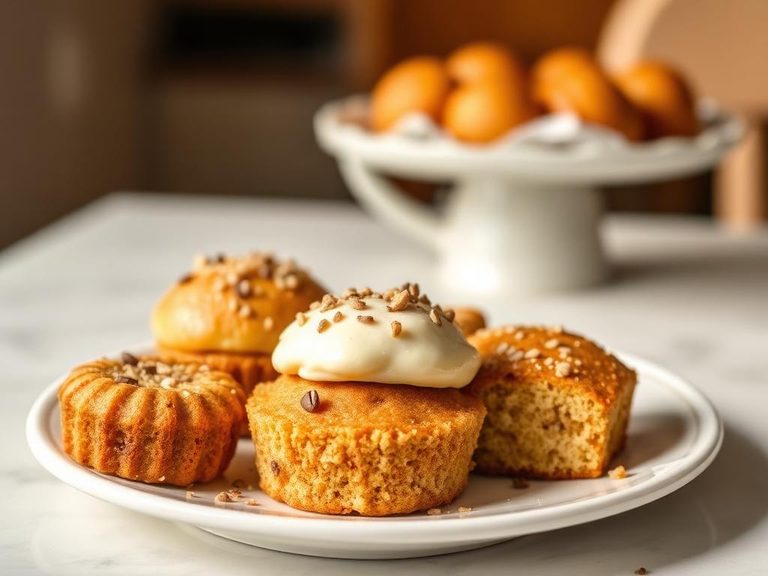 Incorporated into baked goods for older children