Formula mixed into infant cereal
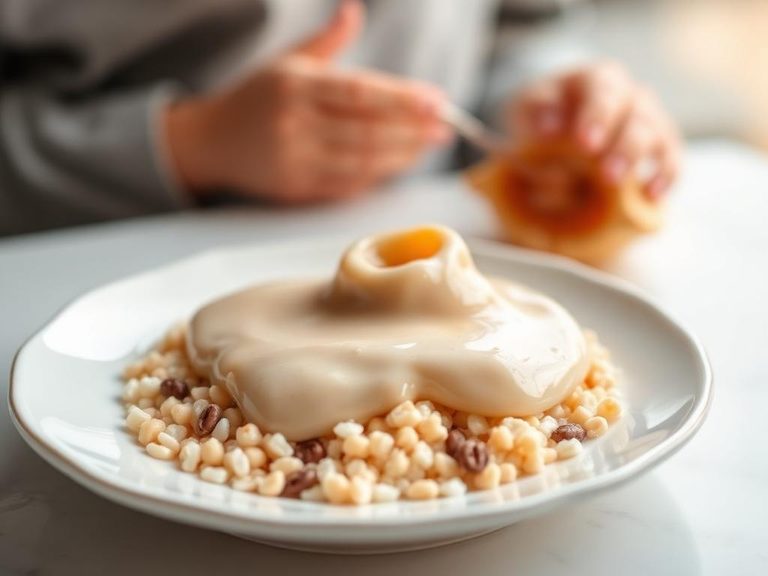
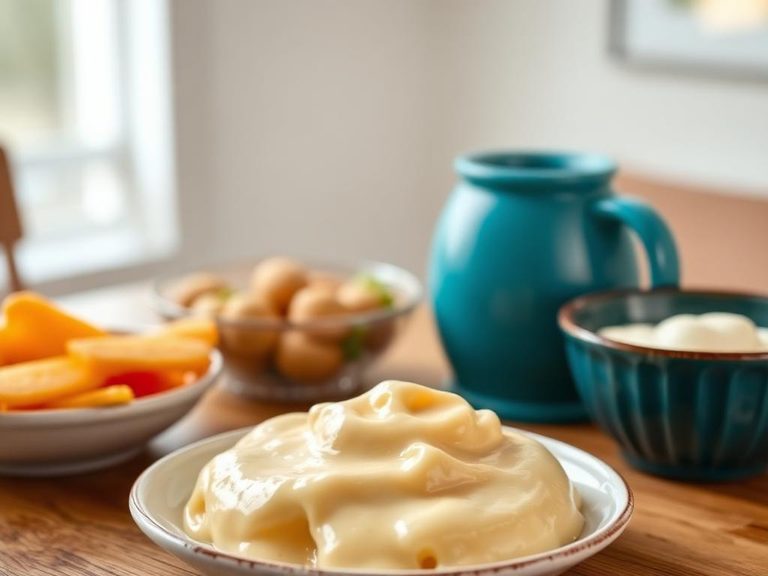
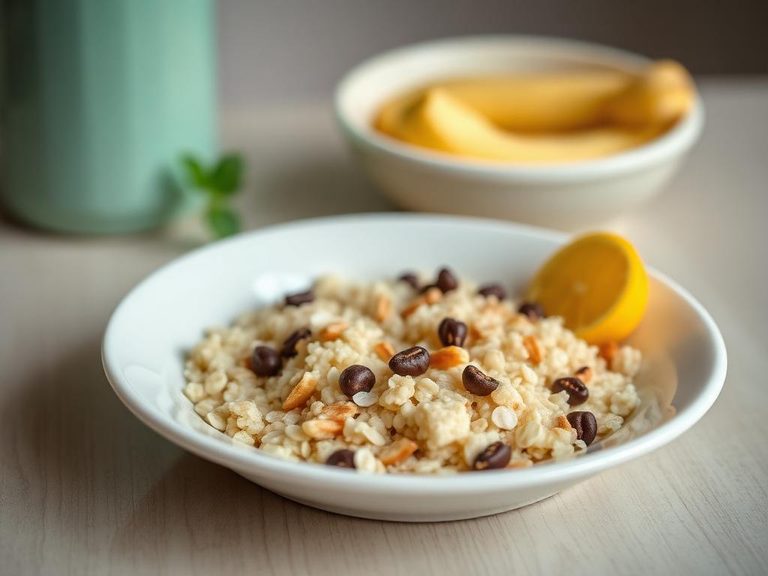
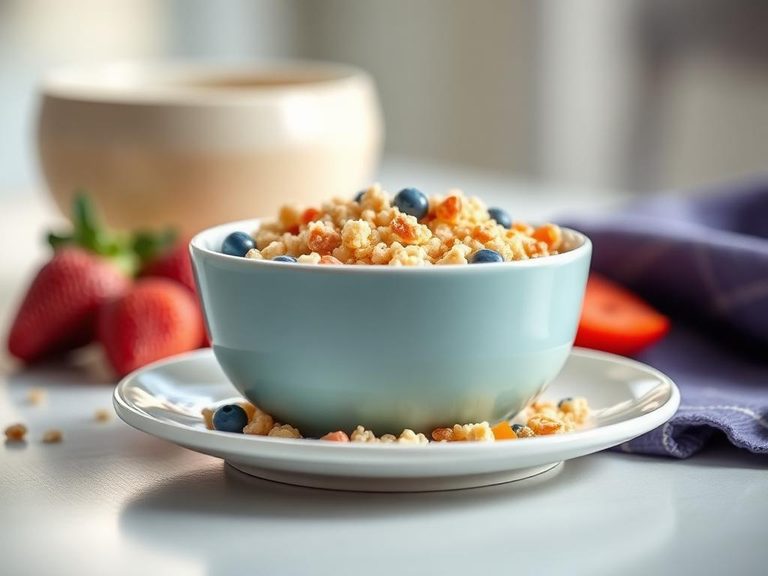
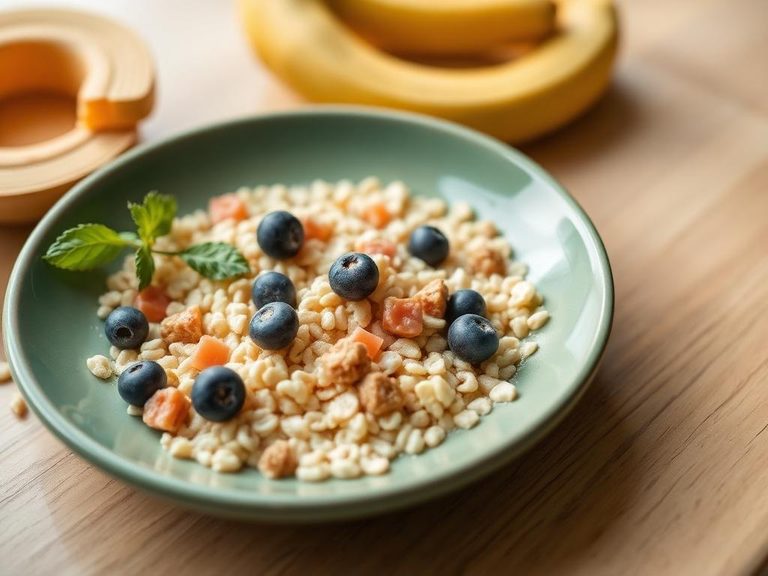
Formula mixed into infant cereal is a common first-food preparation for babies, typically combining a commercial infant formula (liquid or powder) with a dry, iron-fortified infant cereal like rice, oat, or barley. This mixture creates a smooth, semi-liquid porridge that is easy for infants to consume. It is a globally recognized practice, especially in Western and urbanized settings, used to introduce solids and supplement nutrition.
🍽️ Nutrition at a glance
This dish is primarily a carbohydrate-rich energy source, with moderate protein from the formula and cereal, and fat content depending on the formula type. It is a key source of iron, zinc, and B vitamins, providing roughly 100-150 calories per typical serving.
Nutrition breakdown
| Calories | 120 kcal |
| Protein | 4 g |
| Carbs | 18 g |
| Fat | 3.5 g |
| Fiber | 1 g |
| Sugar | 4 g |
| Sodium | 60 mg |
| Iron | 6 mg |
| Zinc | 2 mg |
| Calcium | 150 mg |
| Vitamin B1 (Thiamin) | 0.3 mg |
| Vitamin B2 (Riboflavin) | 0.4 mg |
| Vitamin B6 | 0.2 mg |
| Folate | 50 mcg |
| Potassium | 200 mg |
Per 1 prepared serving (approximately 120 g) · estimated, varies by recipe
💡 What's interesting
The combination is nutritionally strategic, as the vitamin C often added to infant cereals enhances the absorption of the iron from the formula and grain. Culturally, it represents a major milestone in an infant's development, symbolizing the transition from an all-liquid to a solid-food diet.