

Mixed into infant oatmeal or cereal
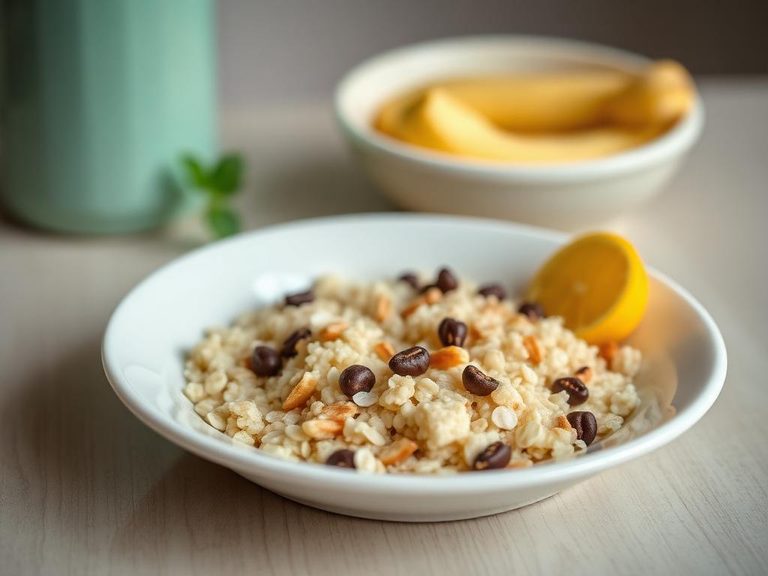
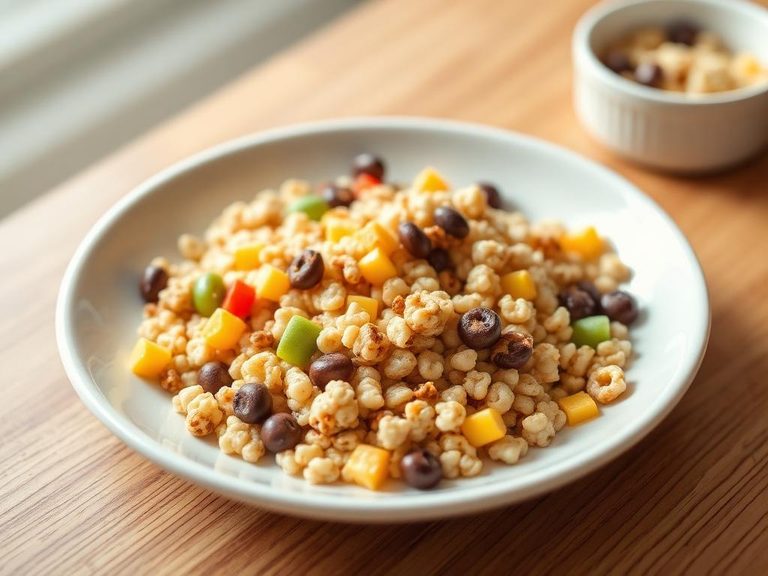
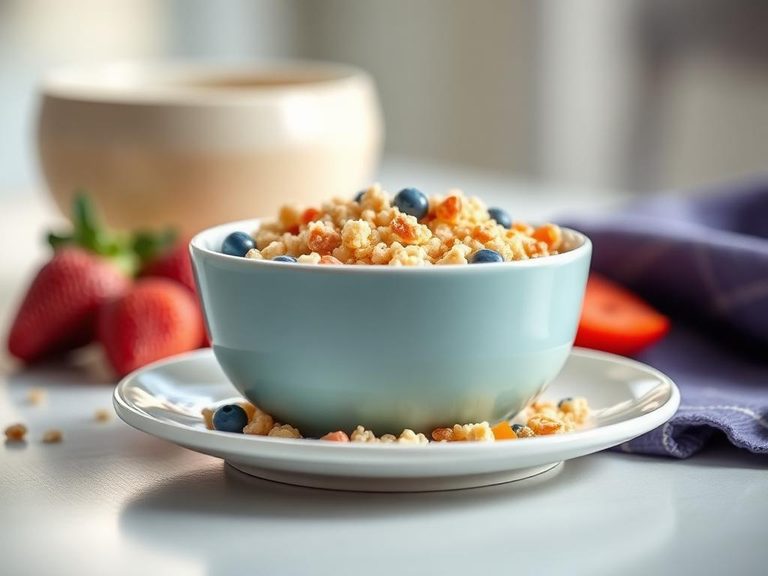
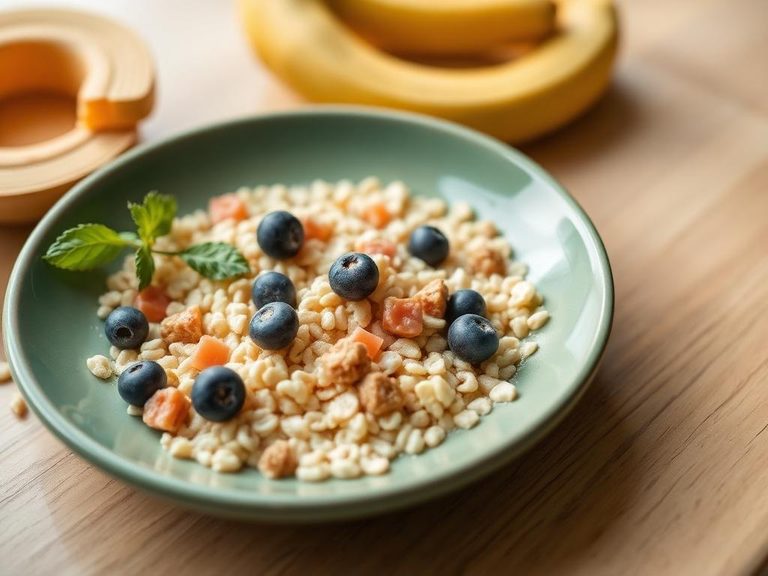
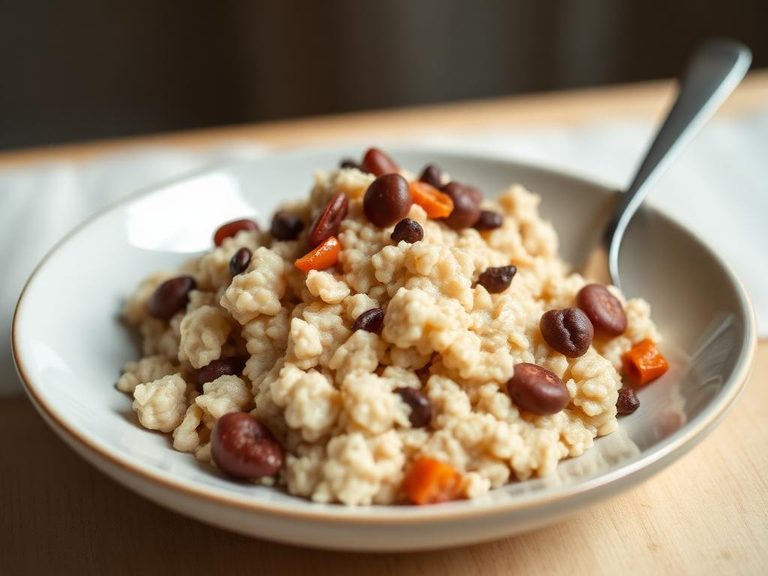
This is not a standalone dish but a common feeding practice where a complementary food (like a fruit or vegetable puree) is mixed into infant oatmeal or cereal. The base cereal is typically made from finely ground oats, rice, or barley, and it is mixed with breast milk, formula, or water. This method is a global practice used to introduce new flavors and textures to babies during the weaning stage.
🍳 View the full Mixed into infant oatmeal or cereal recipe →
🍽️ Nutrition at a glance
The base cereal is primarily a source of carbohydrates for energy and is often fortified with iron, a critical nutrient for infants. The added puree contributes vitamins, minerals, and sometimes natural sugars. A typical prepared serving (around 1/2 cup) generally ranges from 80 to 150 calories, depending on the specific cereal and added ingredients.
Nutrition breakdown
| Calories | 50 kcal |
| Protein | 1.5 g |
| Carbs | 9 g |
| Fat | 1 g |
| Fiber | 1 g |
| Sugar | 1 g |
| Sodium | 5 mg |
| Iron | 2 mg |
| Zinc | 1 mg |
| Calcium | 50 mg |
| Potassium | 40 mg |
| Vitamin B6 | 0.2 mg |
| Vitamin B12 | 0.3 mcg |
| Folate | 20 mcg |
| Phosphorus | 30 mg |
Per 1 tablespoon (15 g) · estimated, varies by recipe
💡 What's interesting
This practice is nutritionally strategic, as the vitamin C in many fruit purees (like orange or strawberry) can enhance the absorption of iron from the cereal. Culturally, the choice of first mixed cereals varies widely, from rice porridge in East Asia to oat-based gruels in Western countries, reflecting local staple grains.
🍽️ Related dishes
AI estimate may be inaccurate · Terms